Mastering the Art of Pretzel Making: From Dough to Delicious

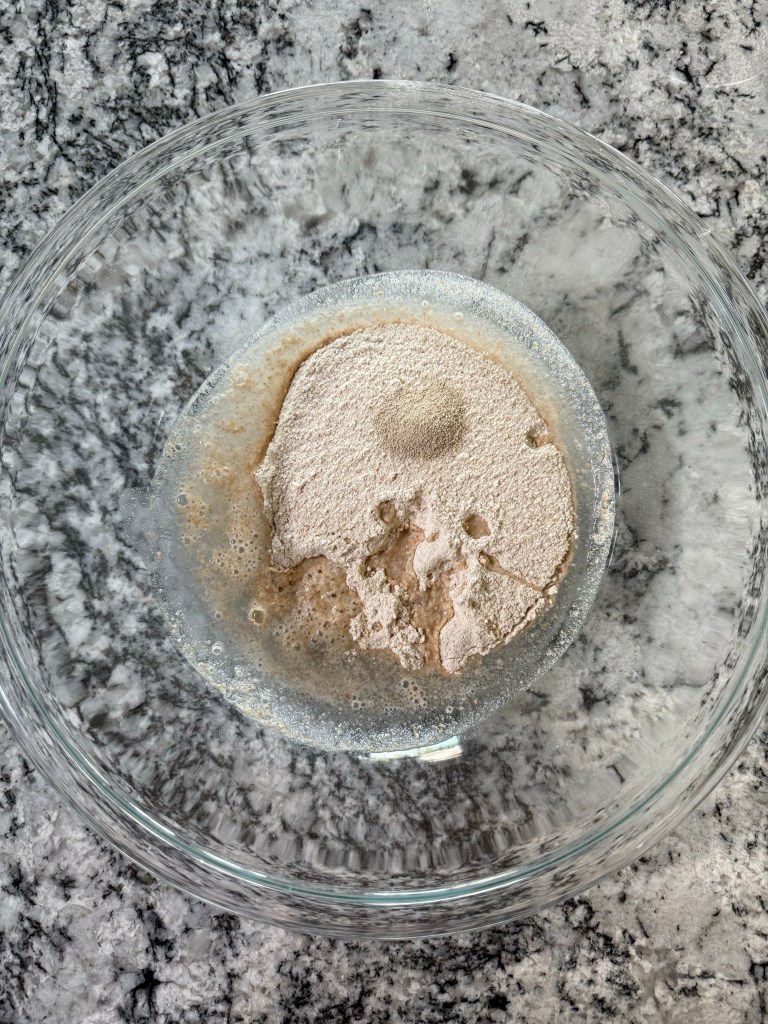
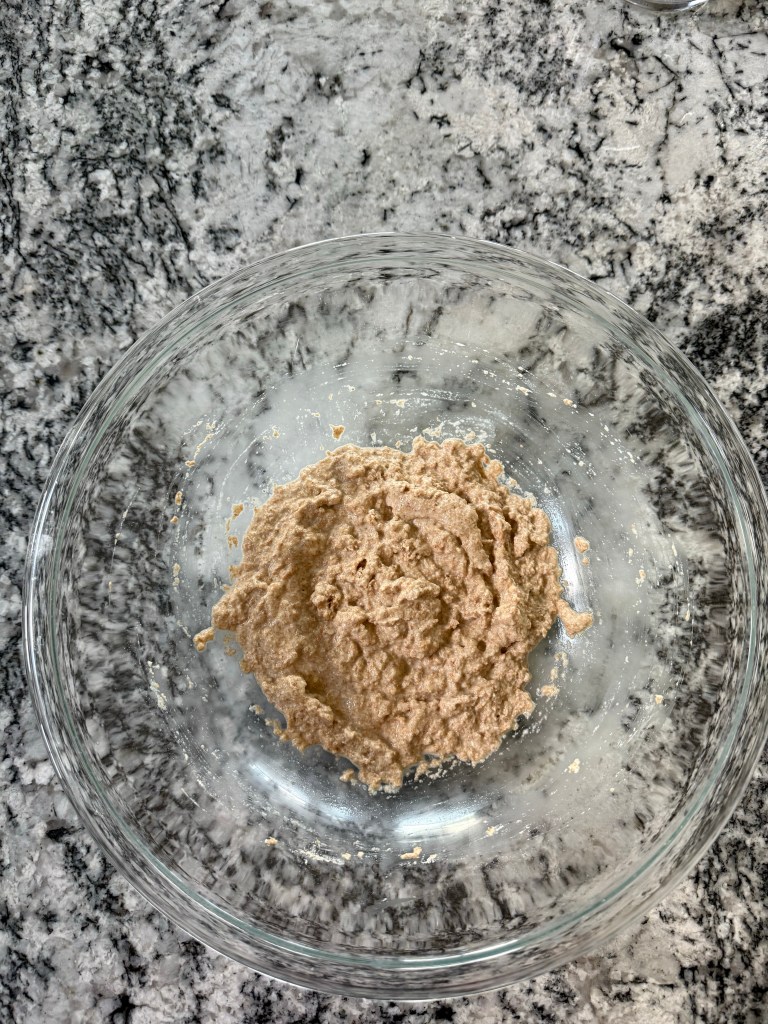
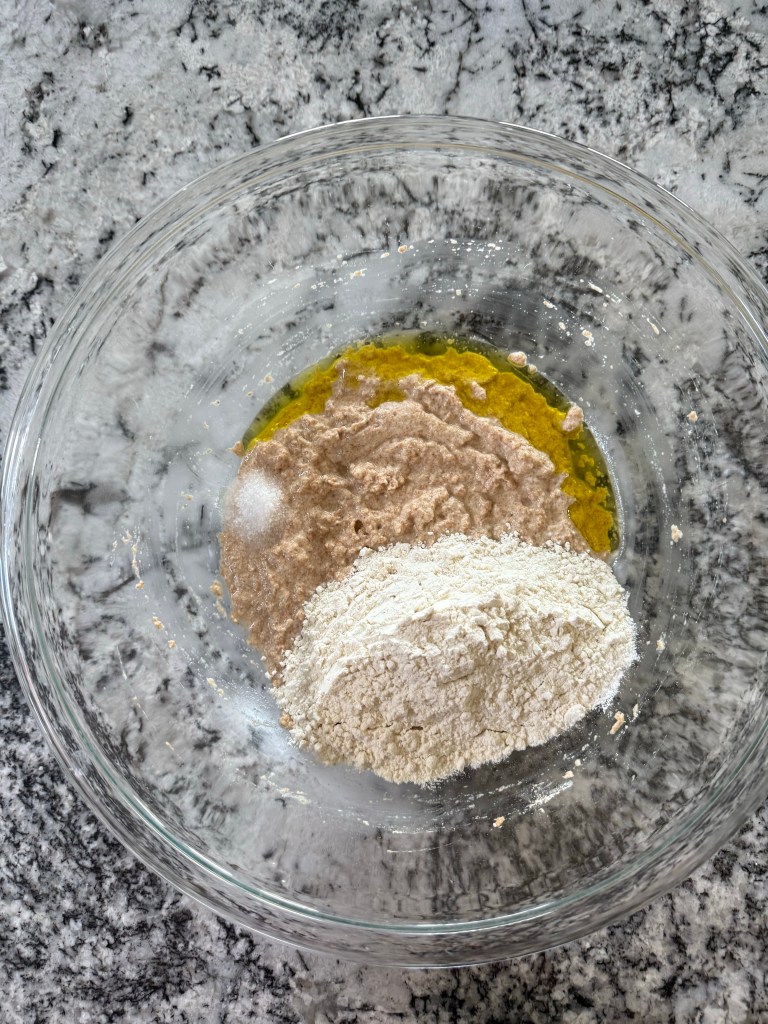
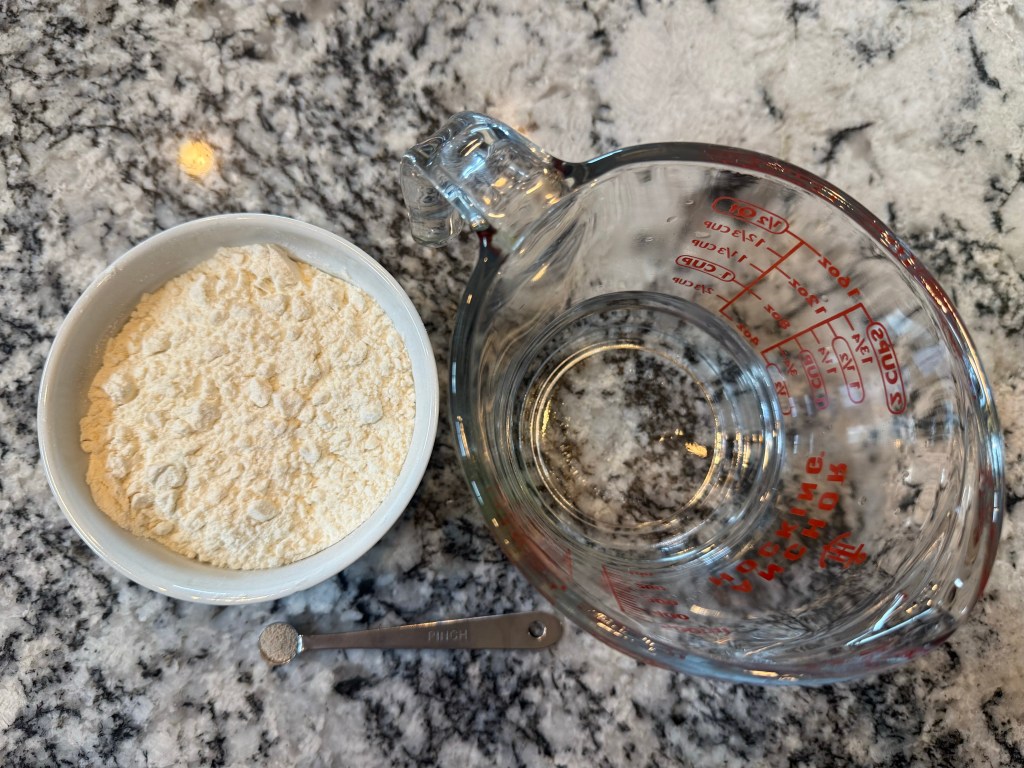
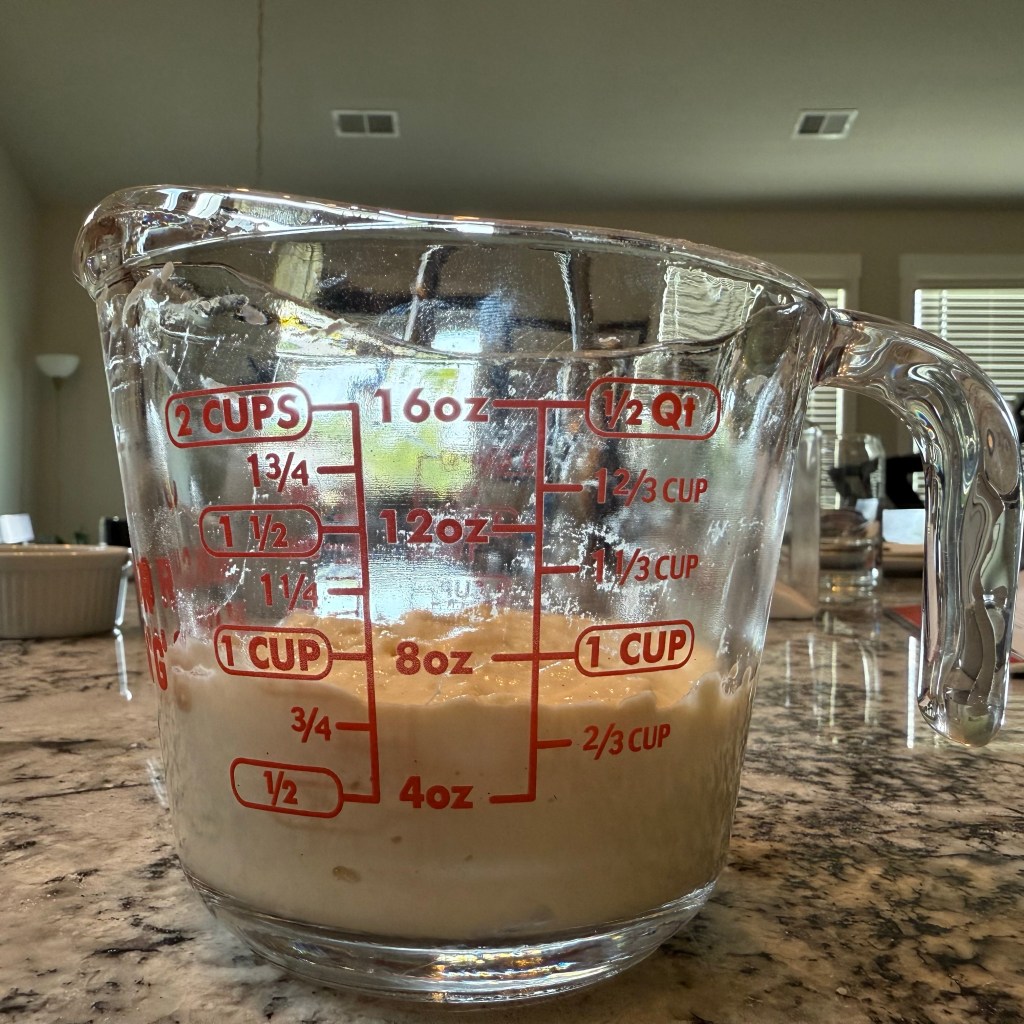
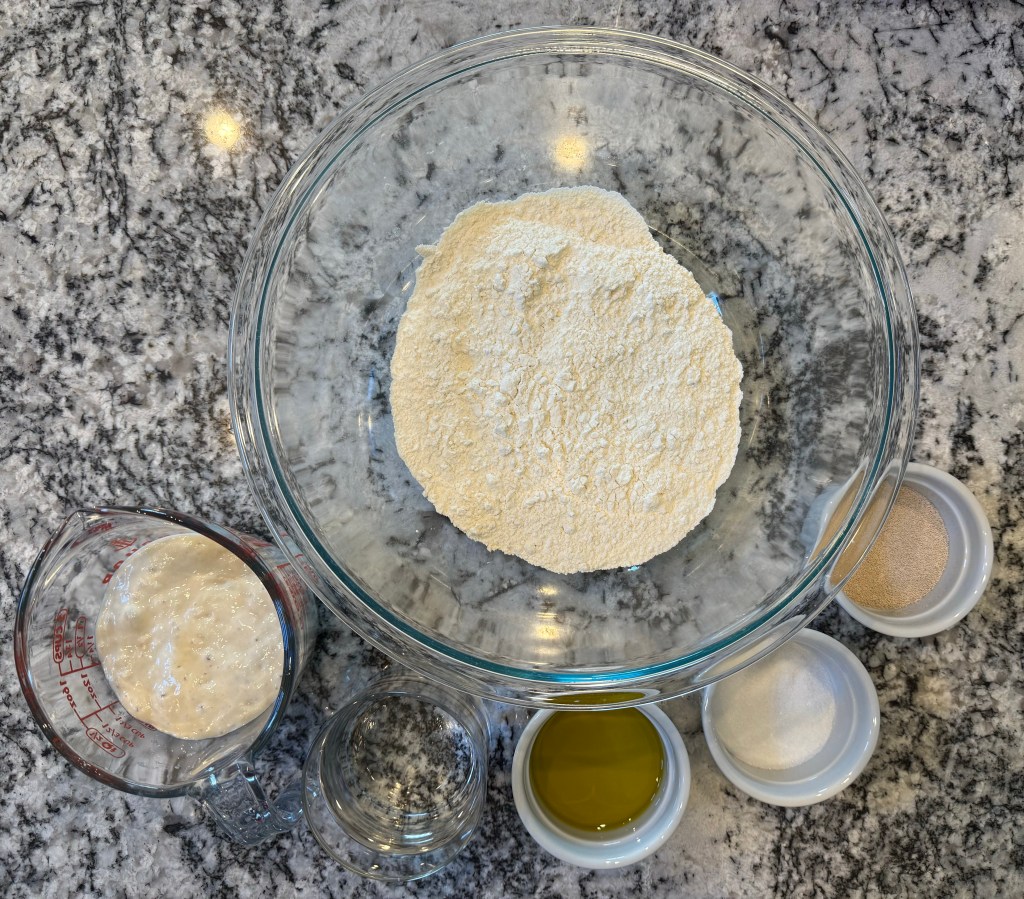
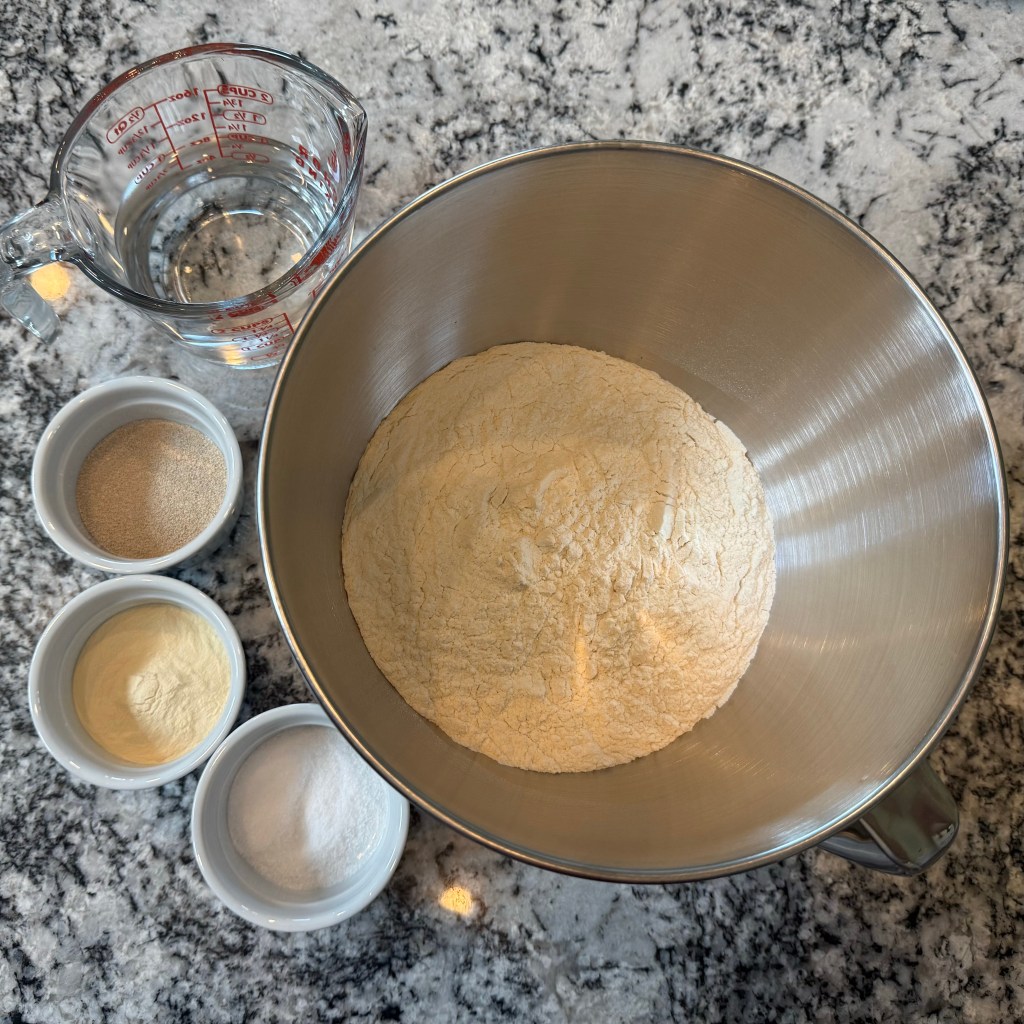
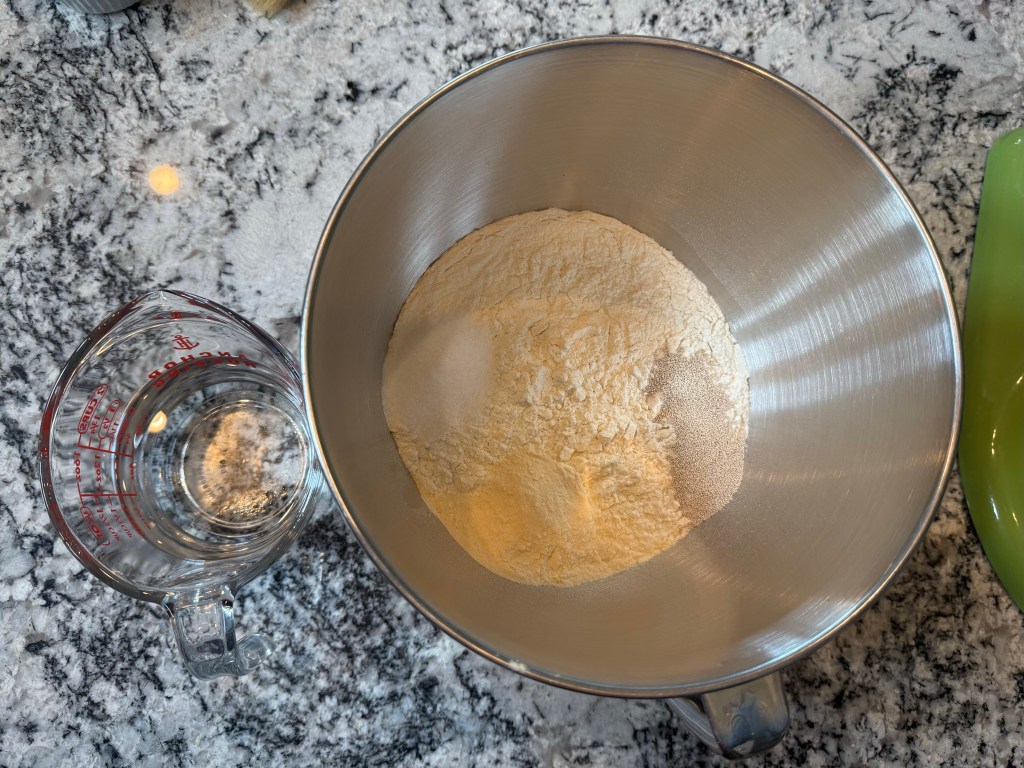
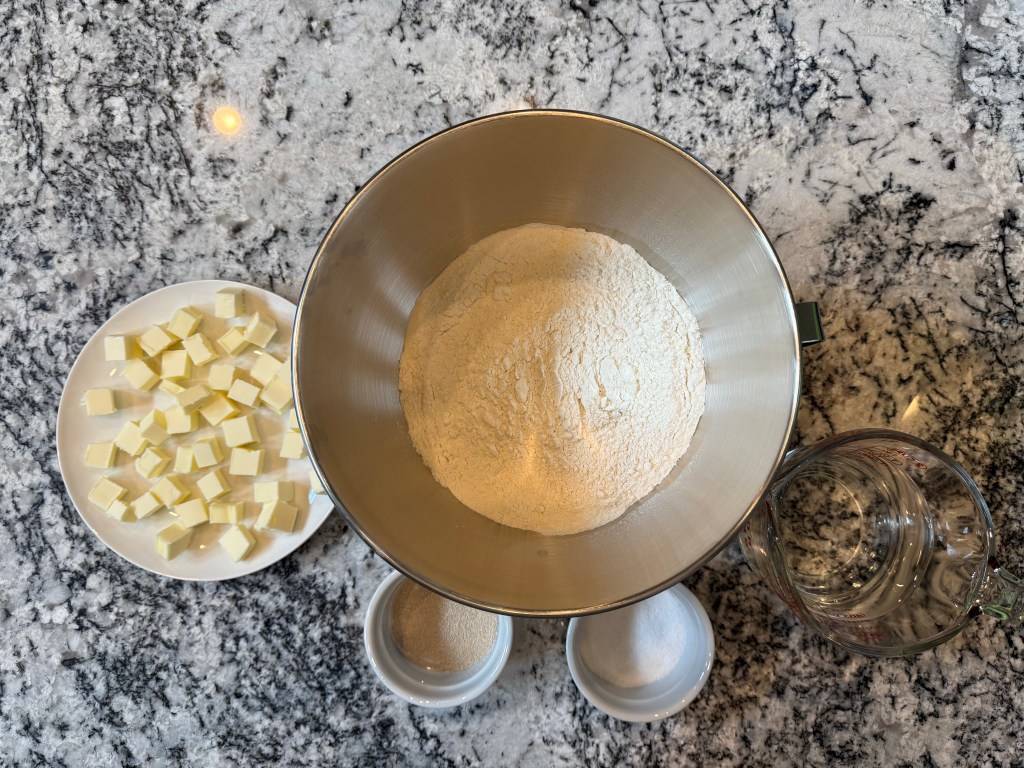
I love a warm, soft pretzel, and I was super excited to make my own! As usual, I started with the mise en place for the dough.

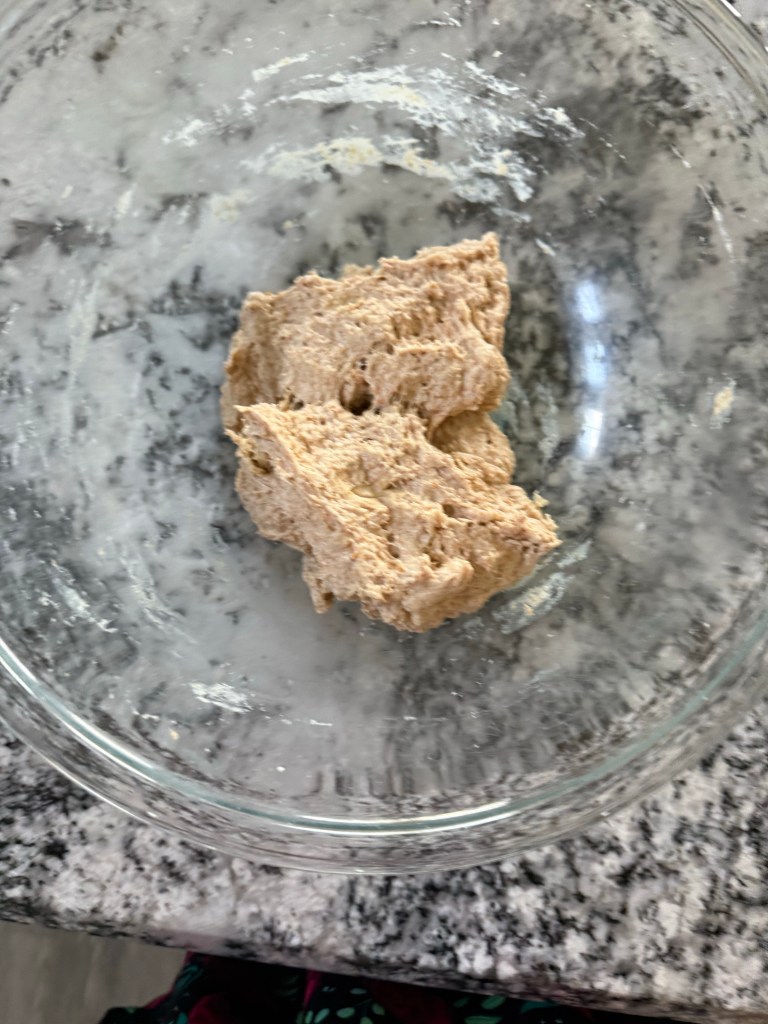
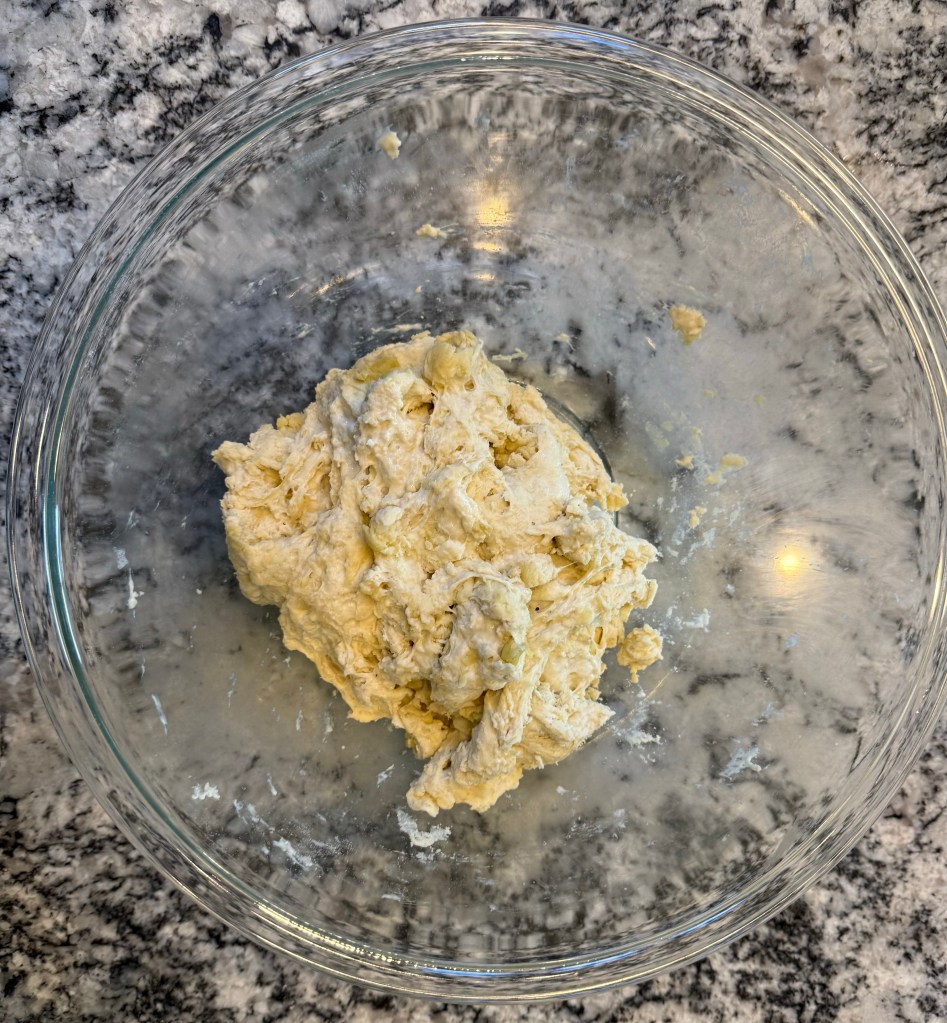
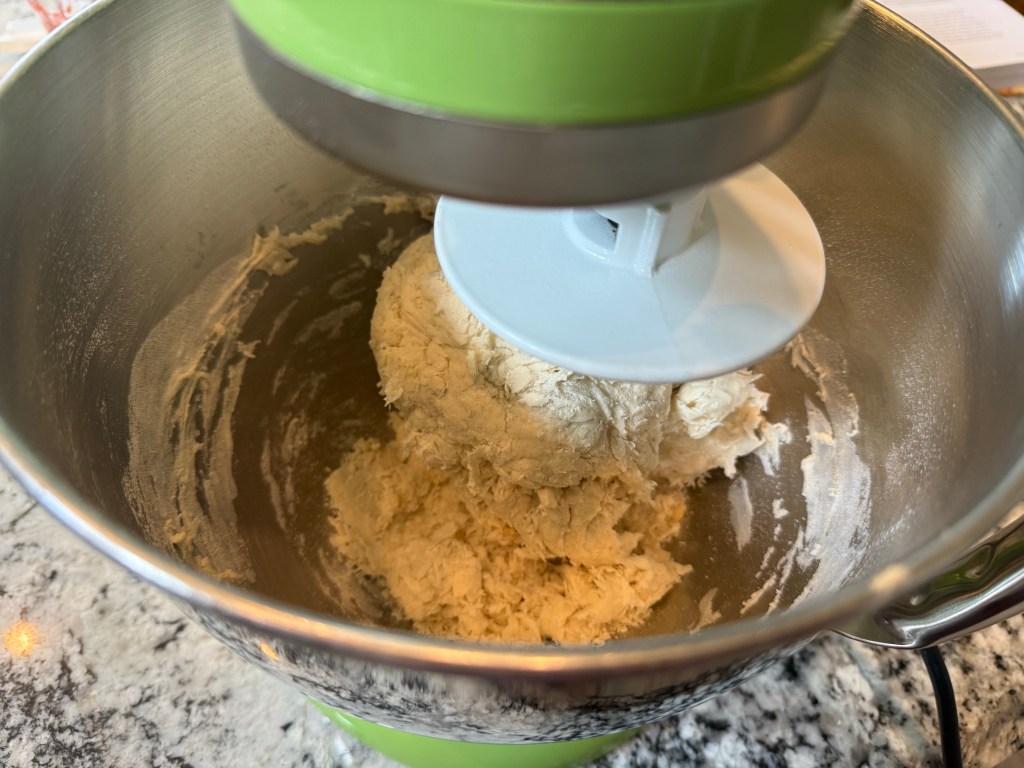
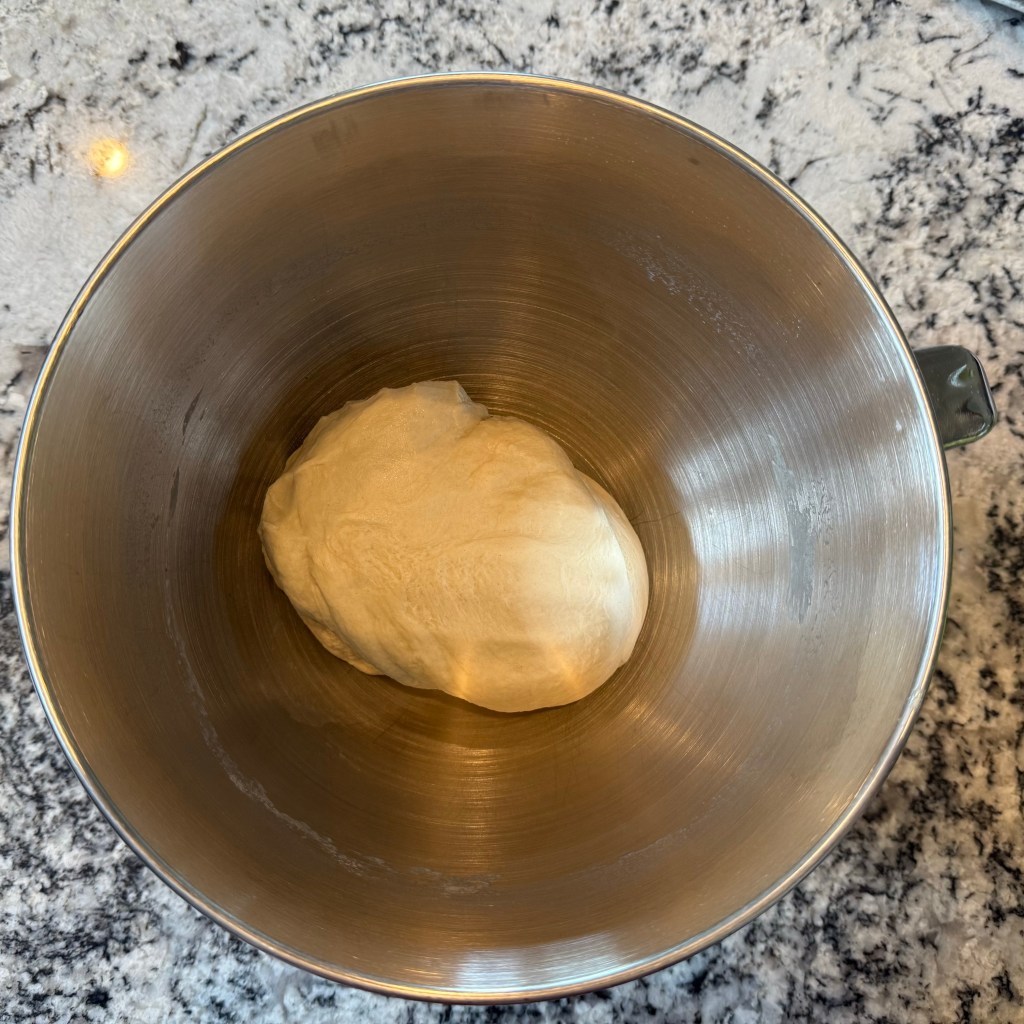
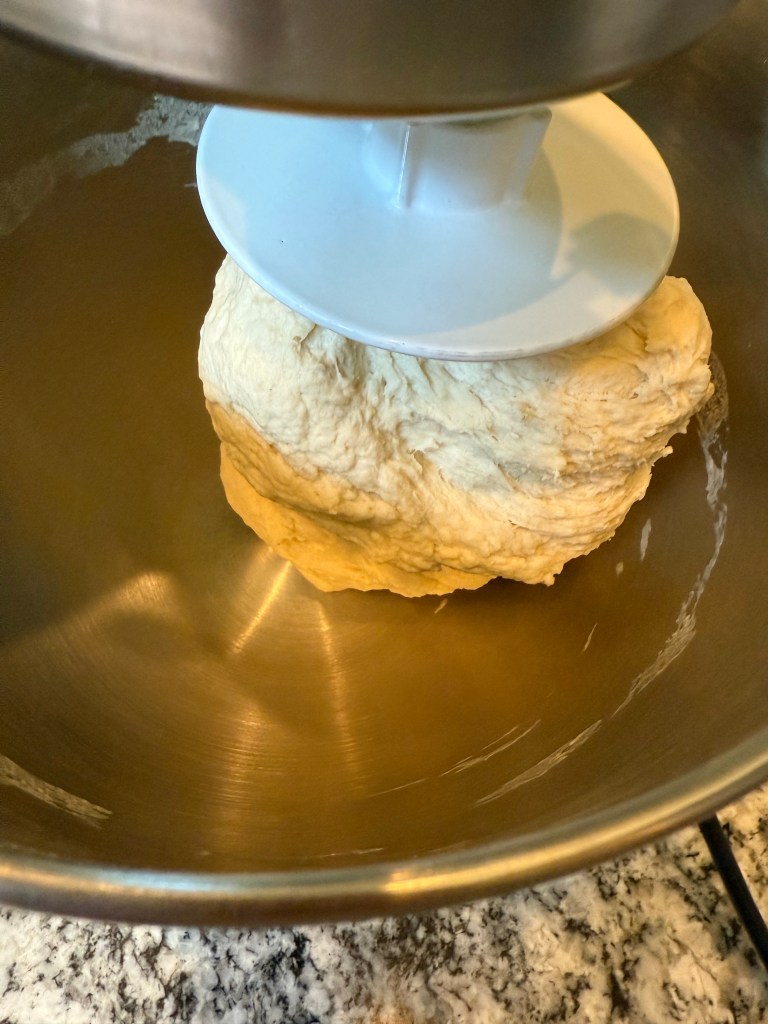
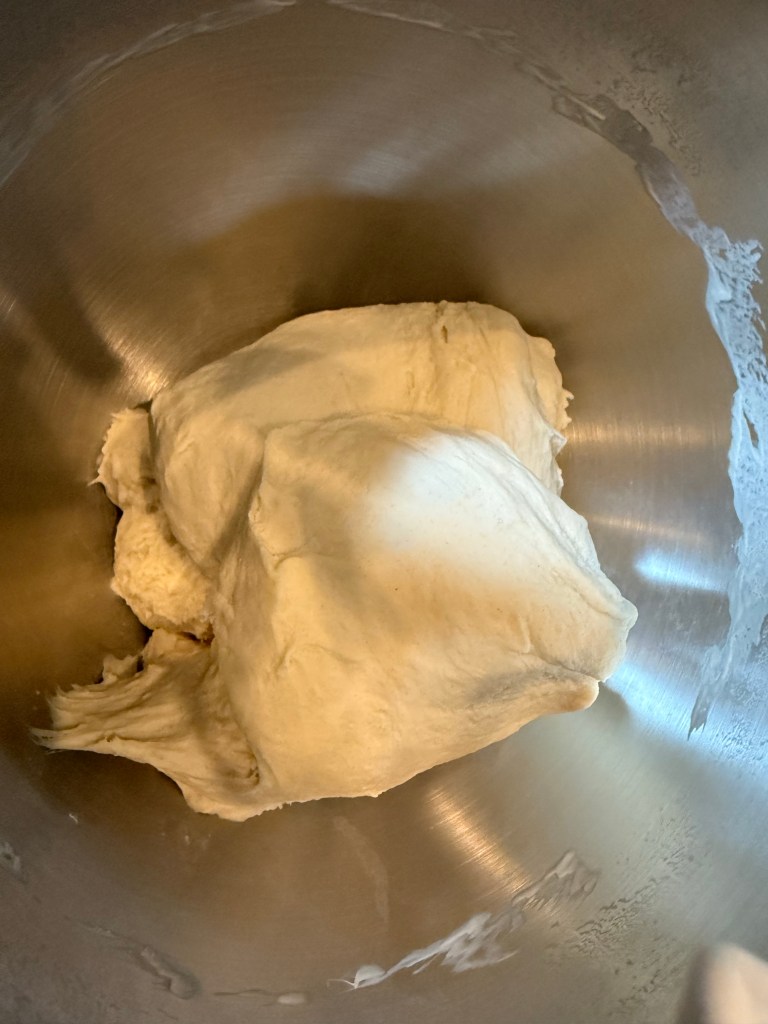
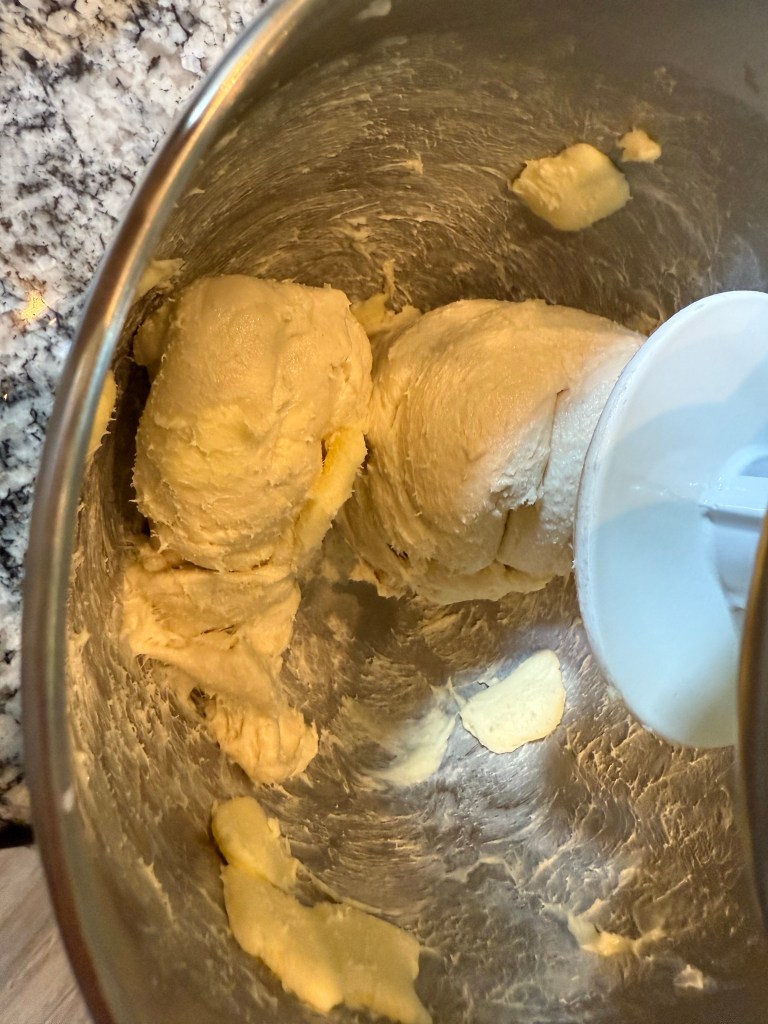
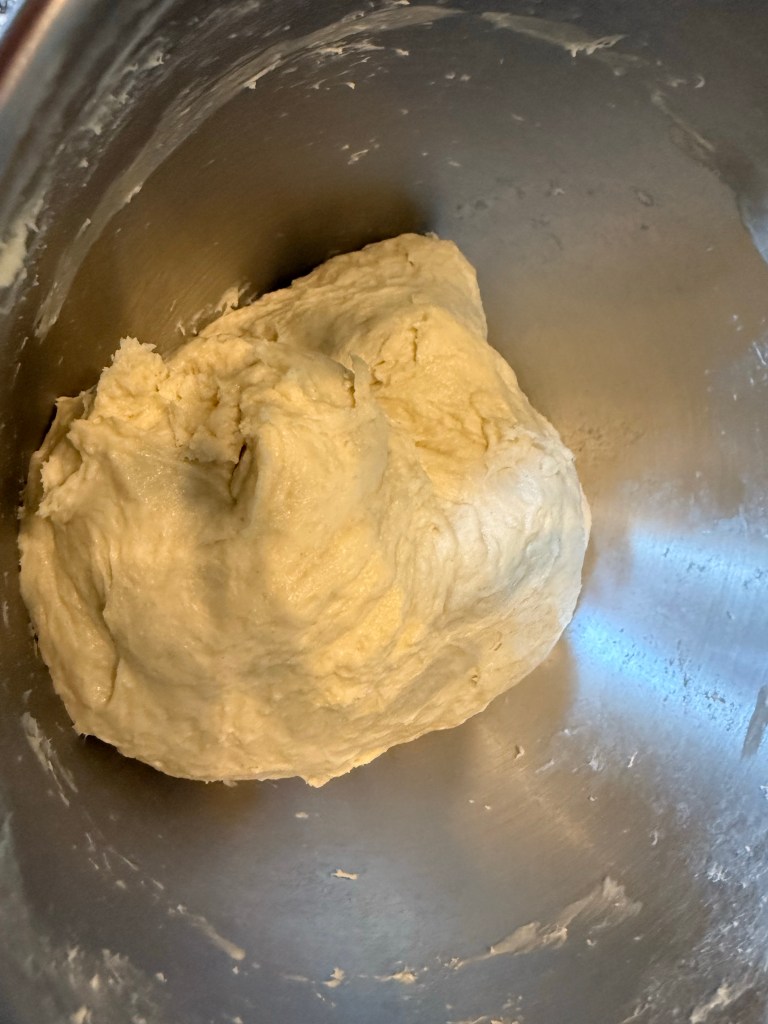
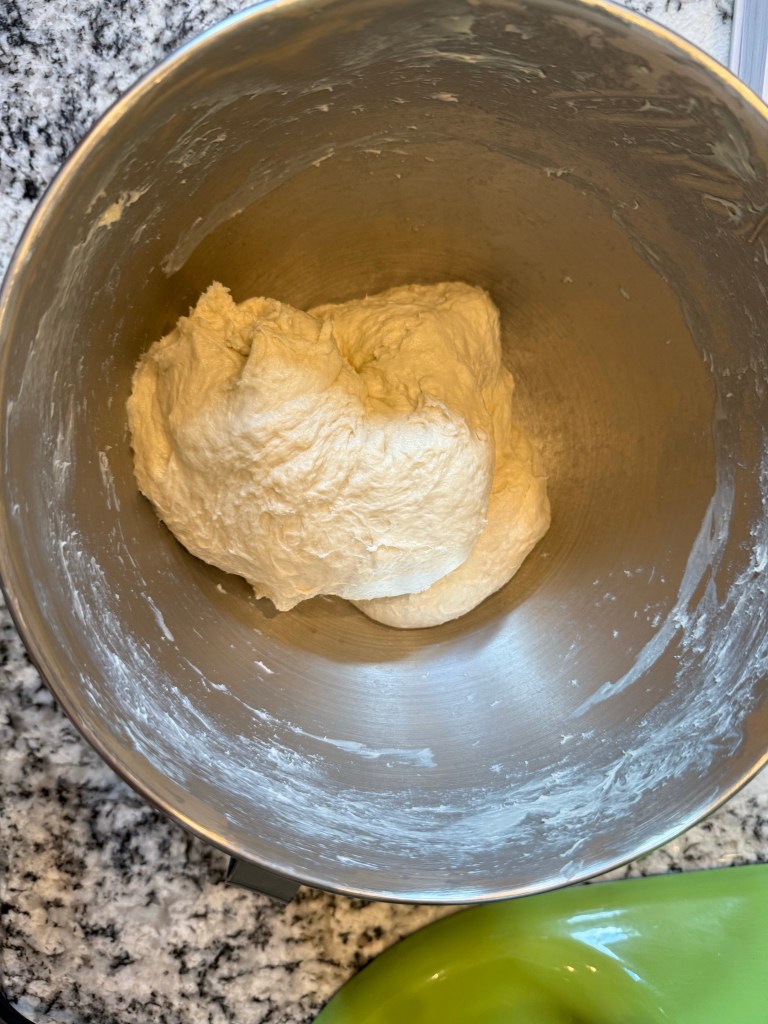
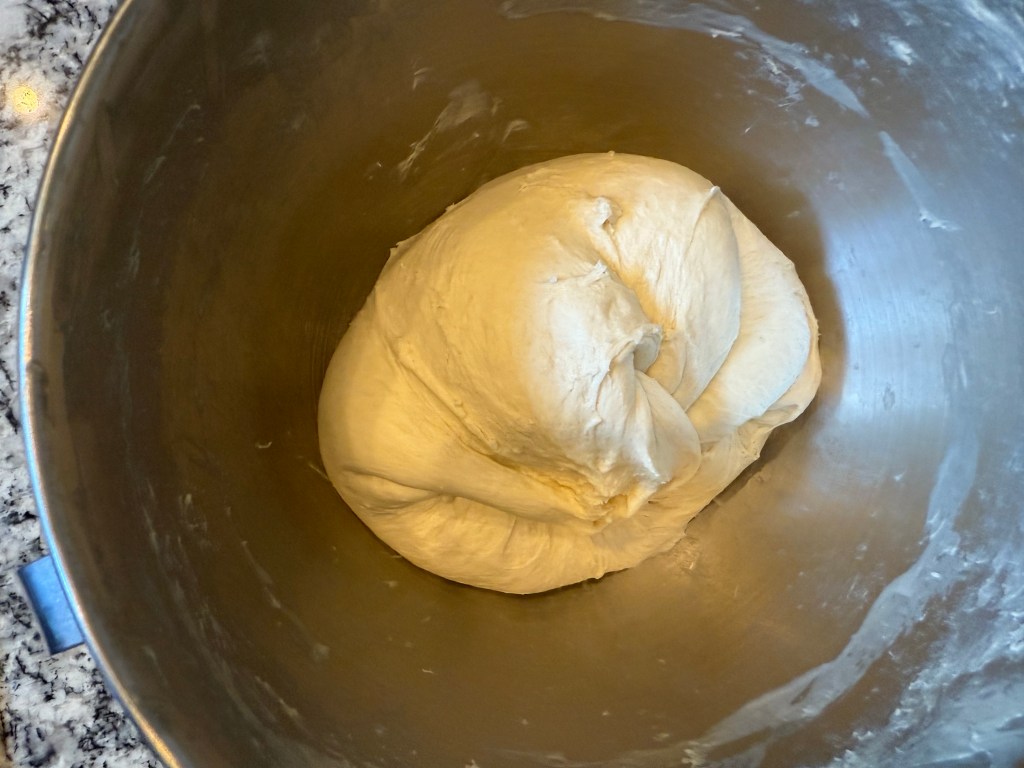
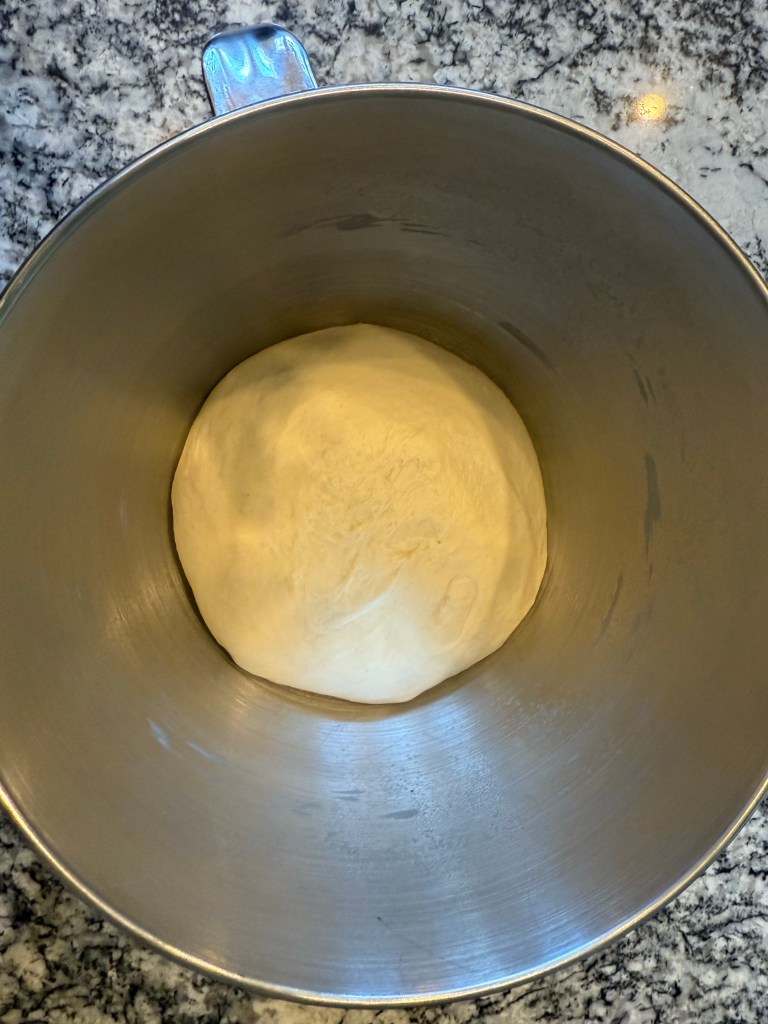
I mixed the ingredients together on my KitchenAid mixer on the “stir” setting for 3 minutes, then on speed 4 for 5 minutes, then set the dough aside to rest.
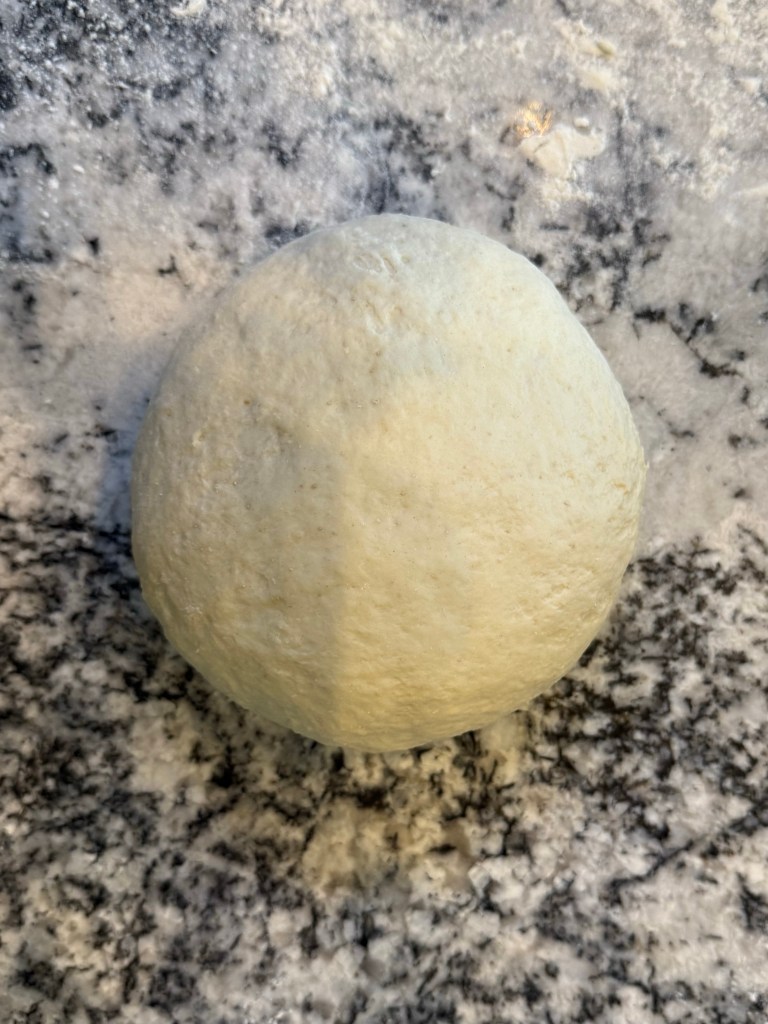
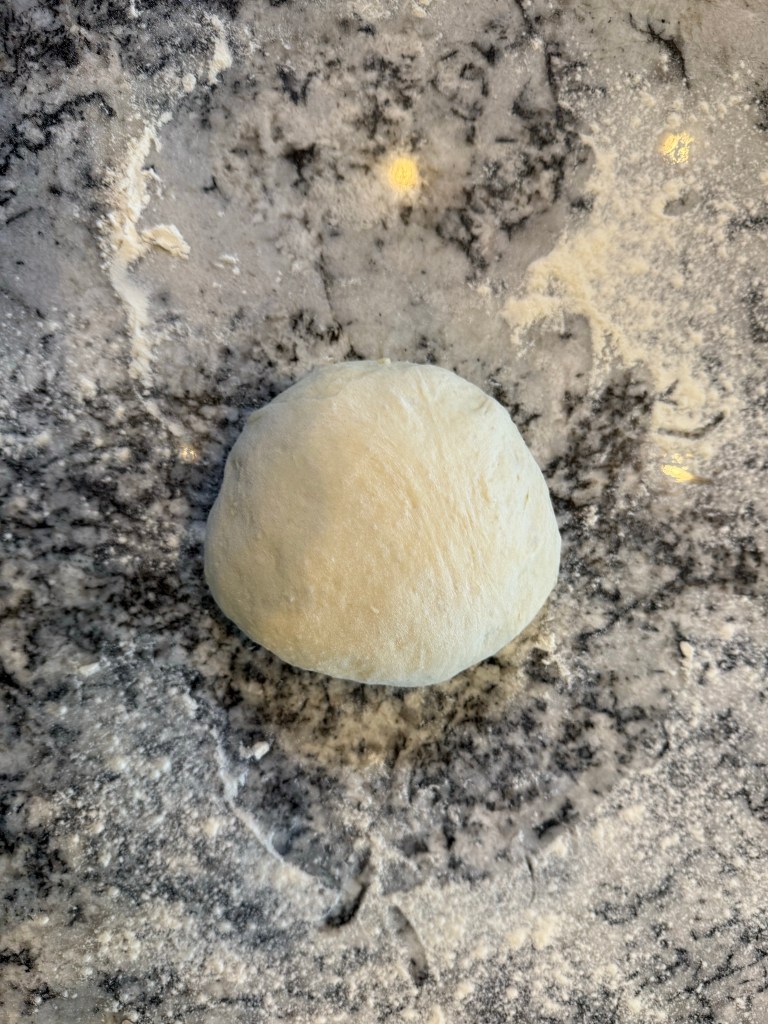
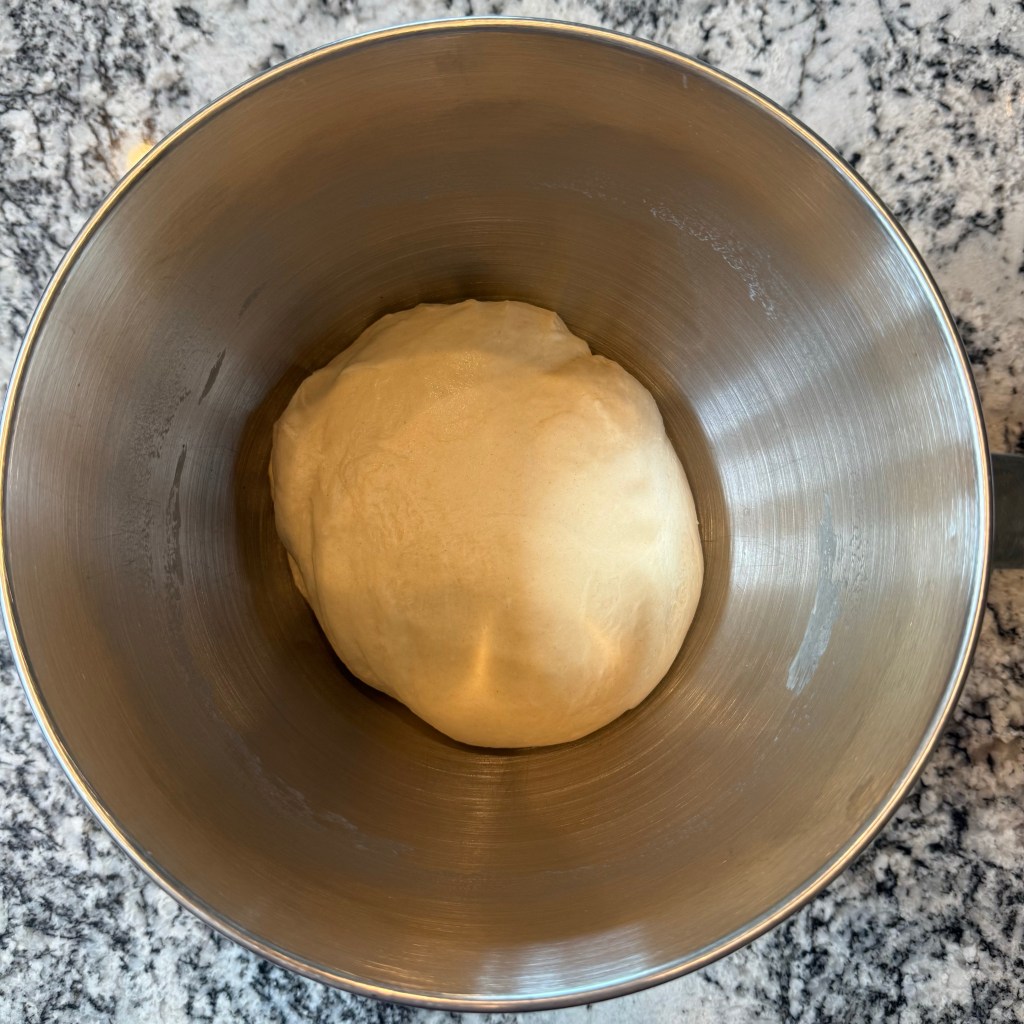
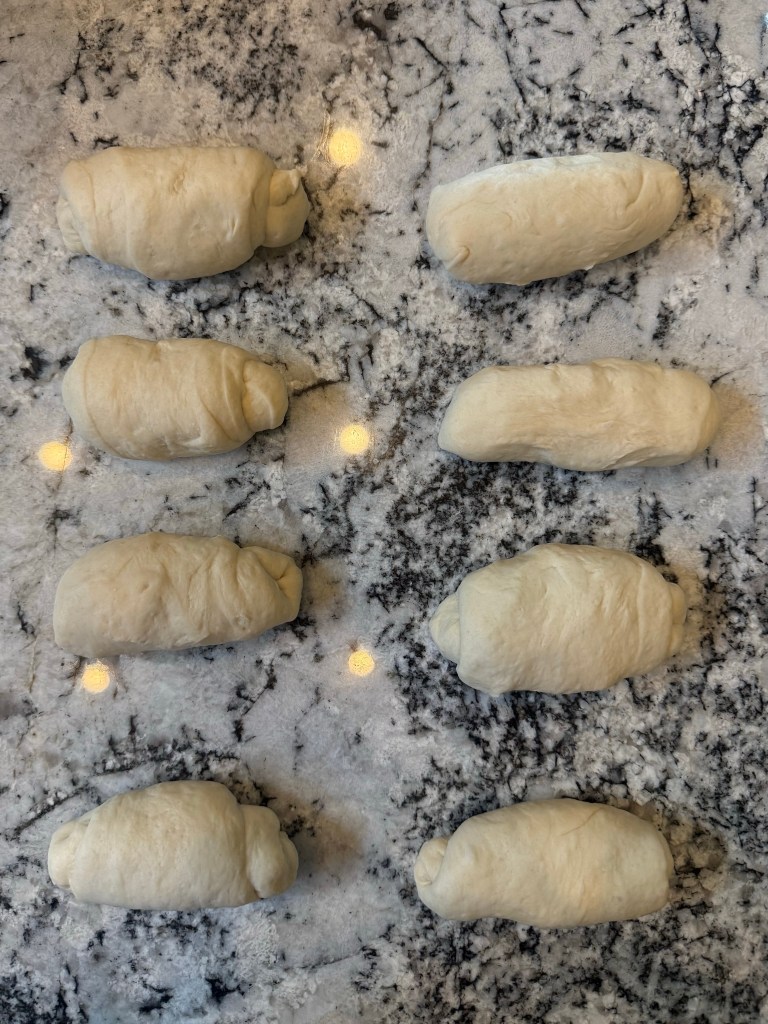
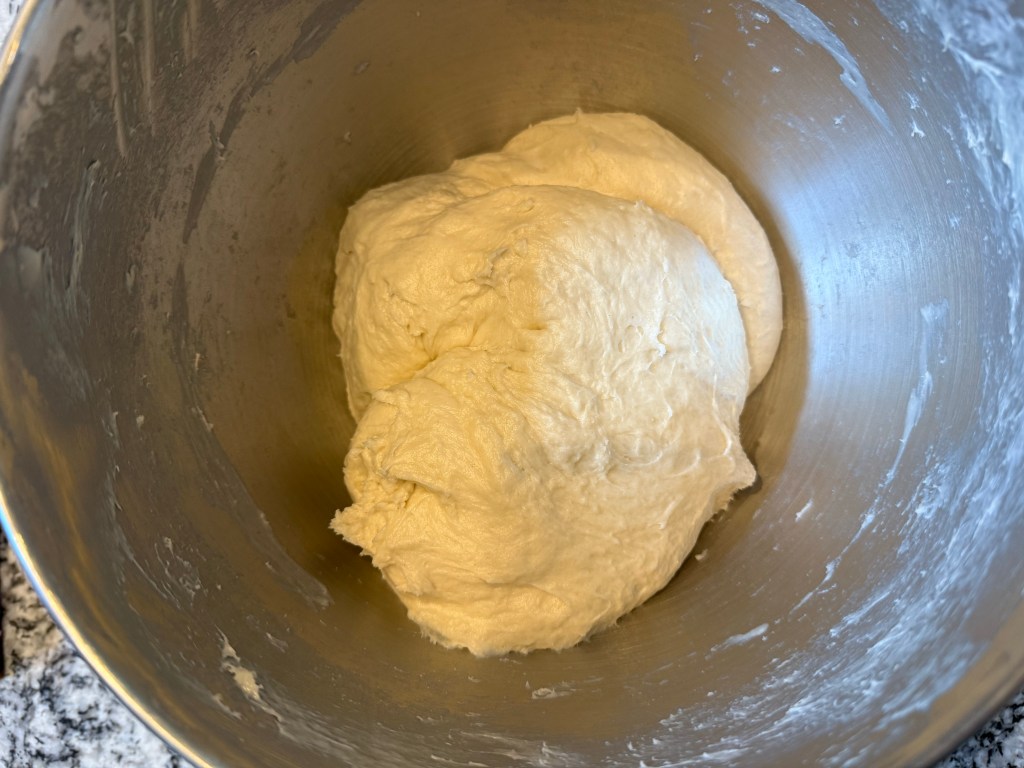
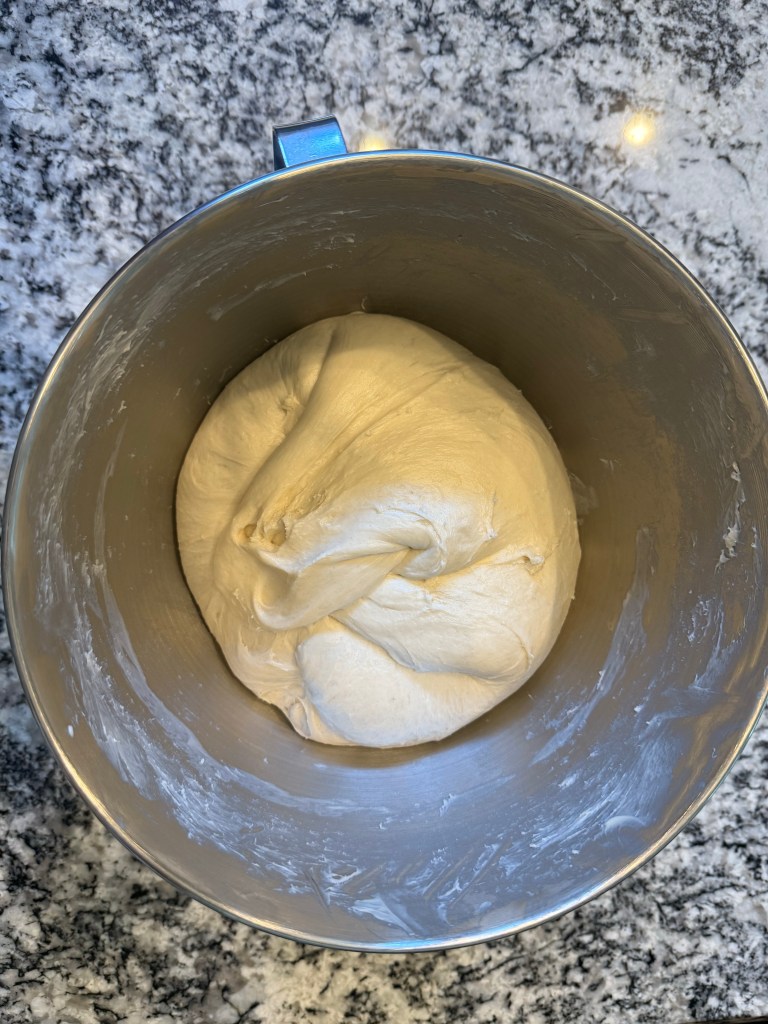
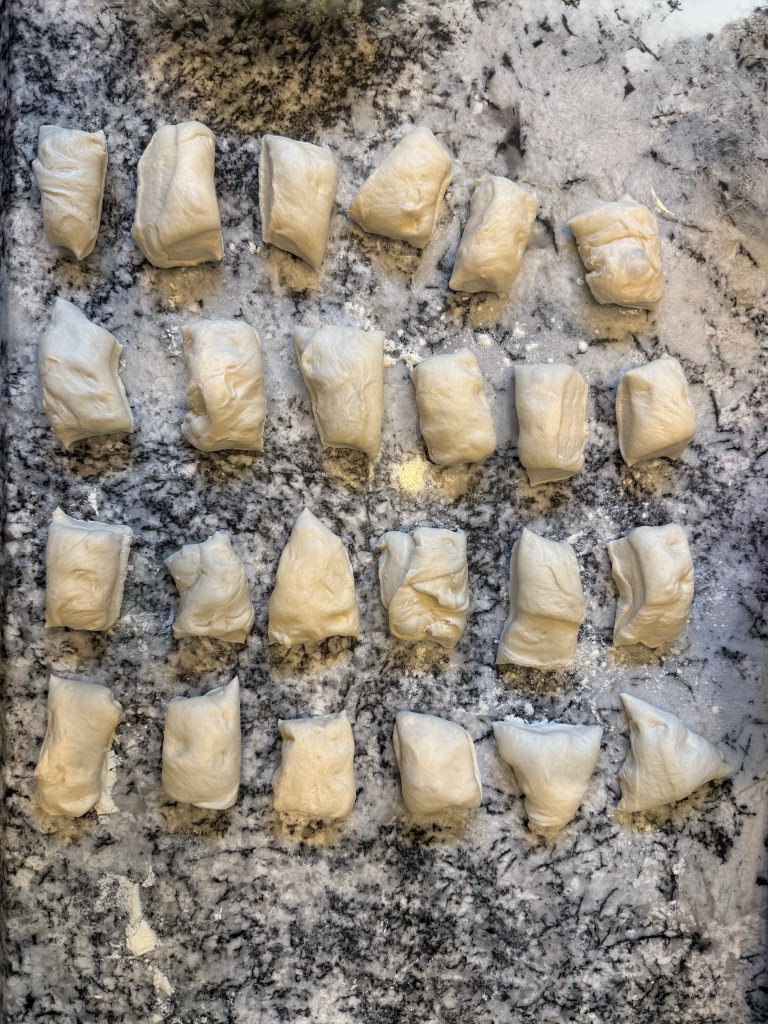
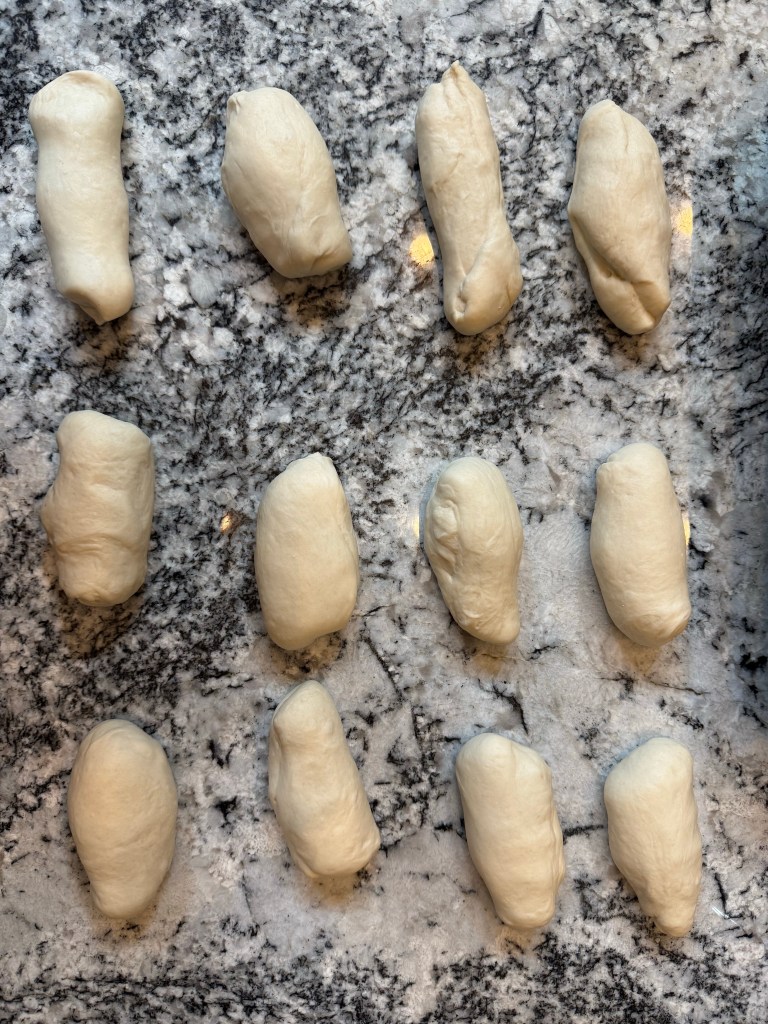
After an hour the dough had risen, so I divided it into 12 pieces and roughly preshaped each piece into a log.
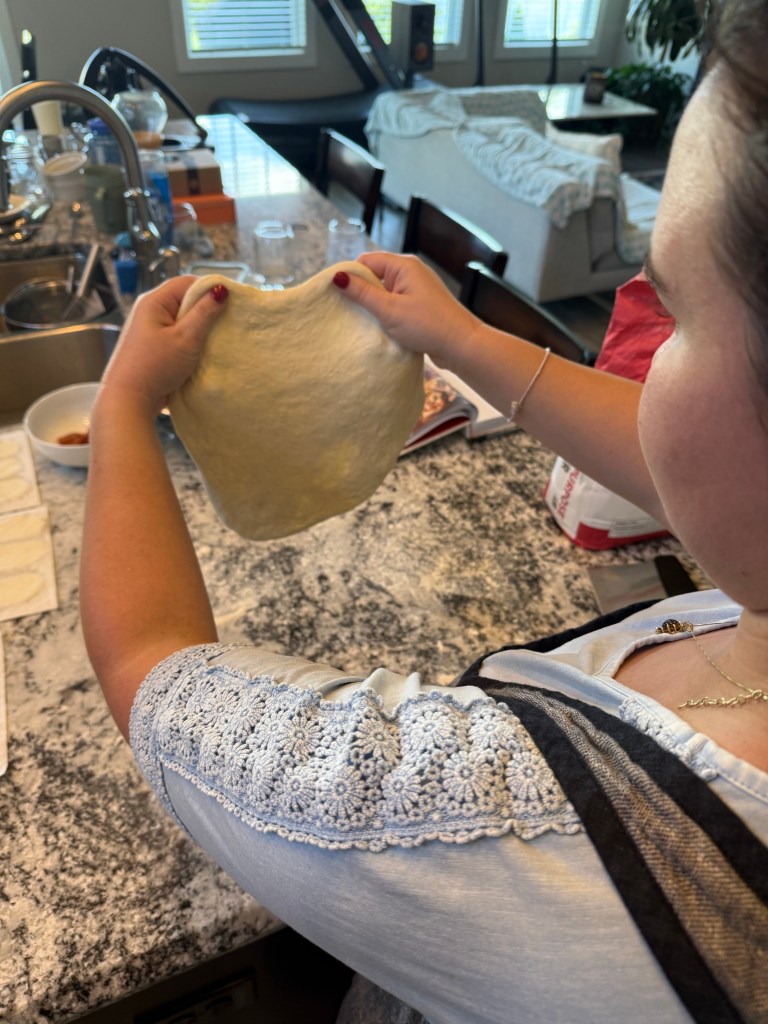
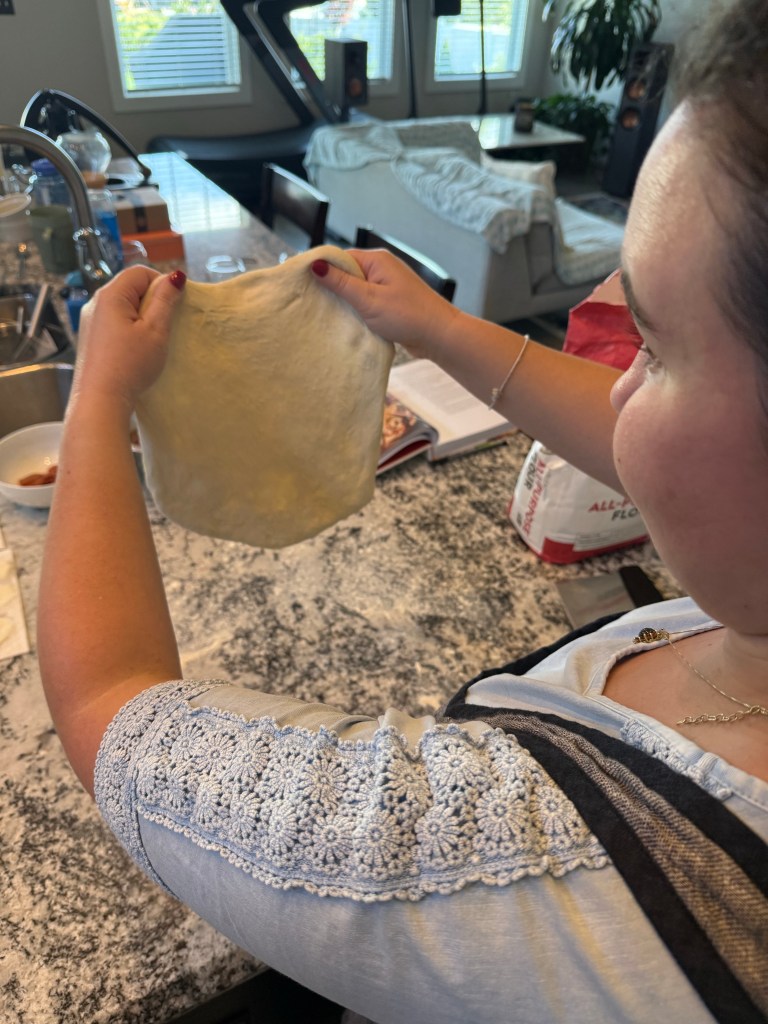
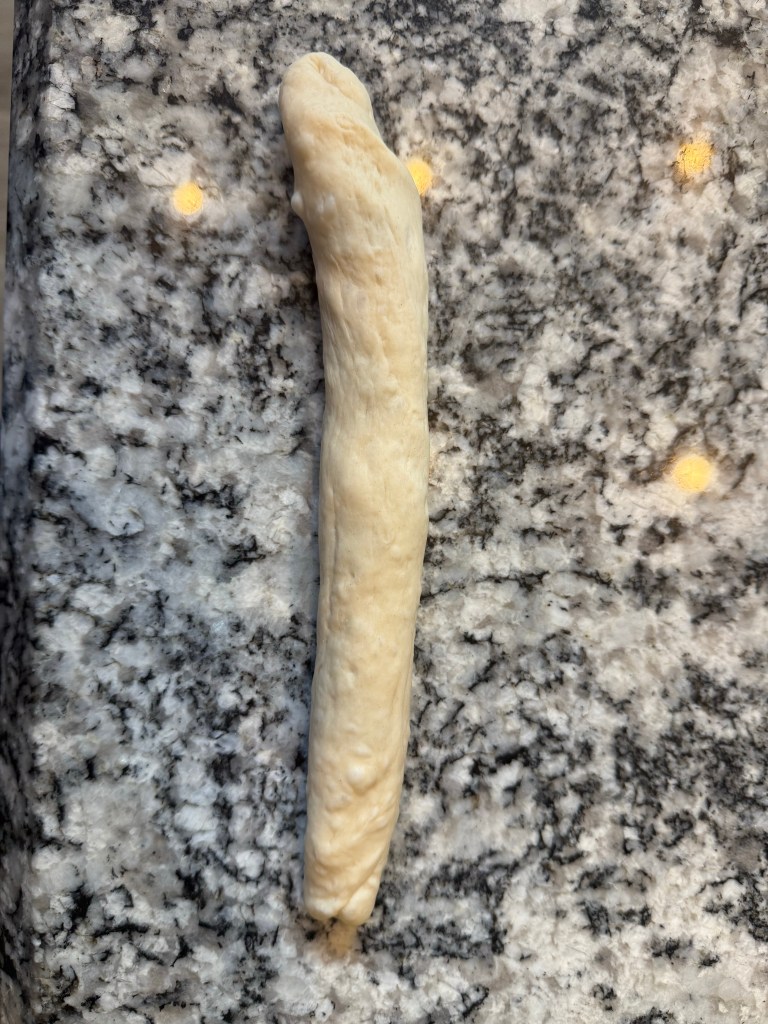
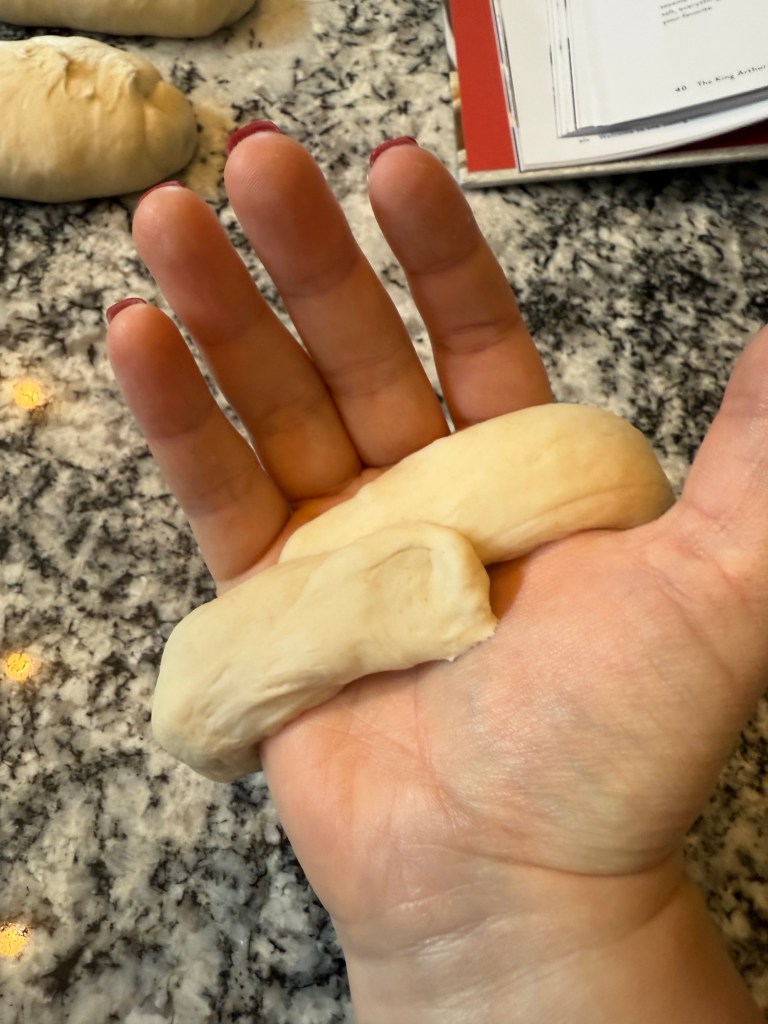
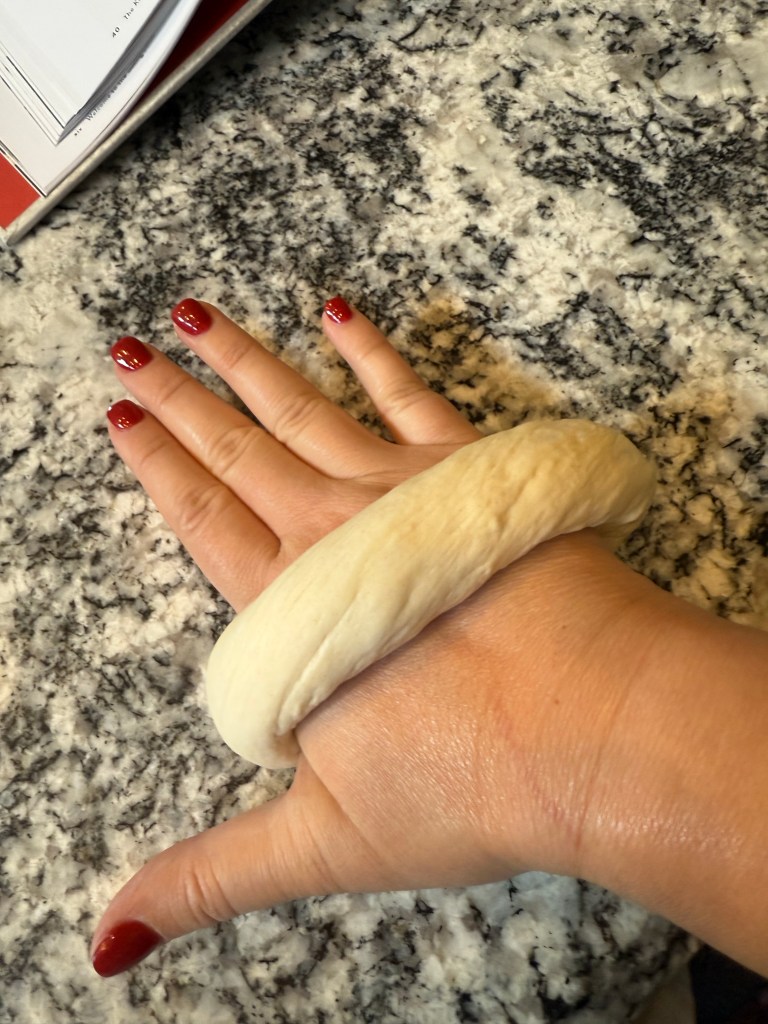
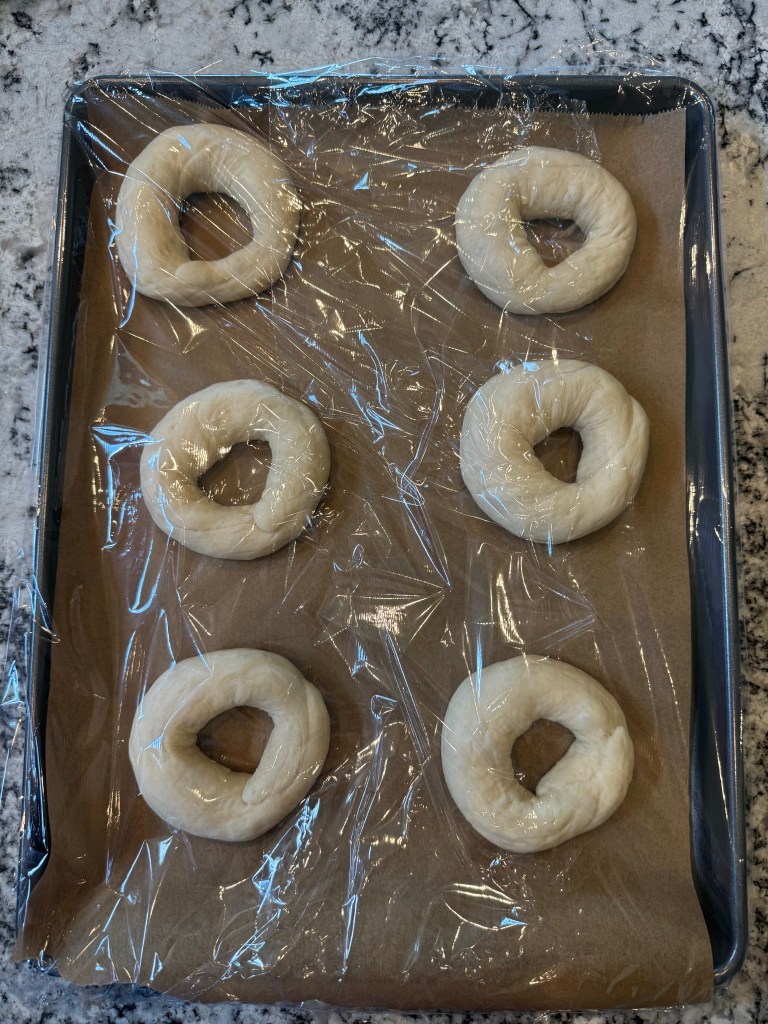
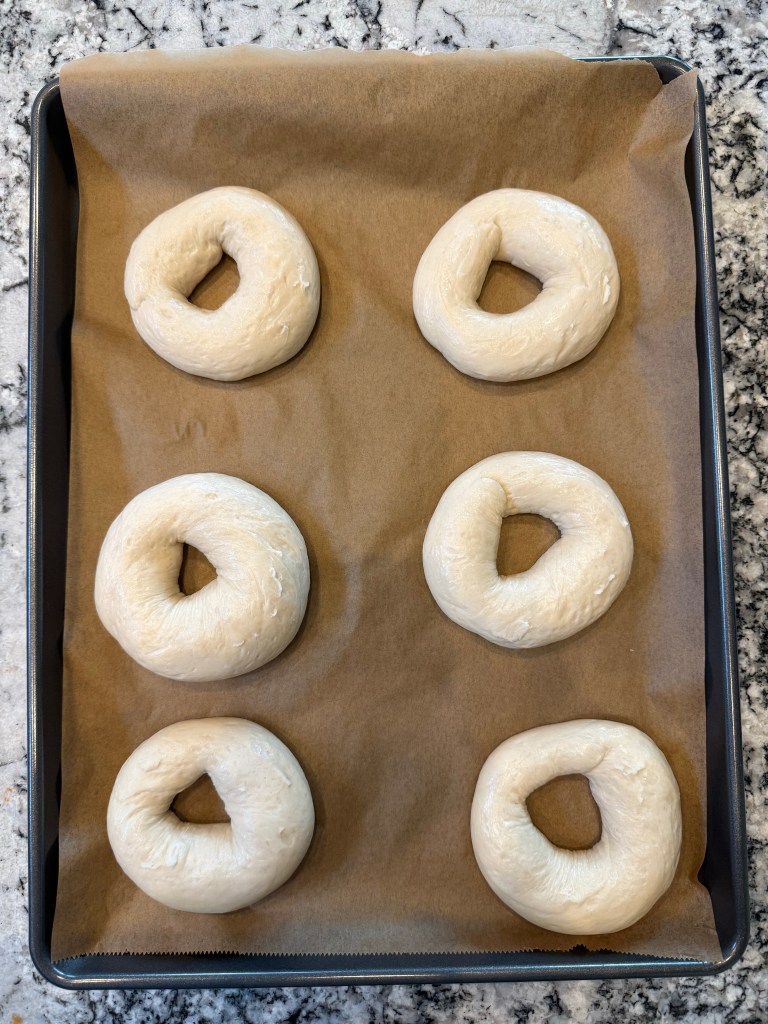
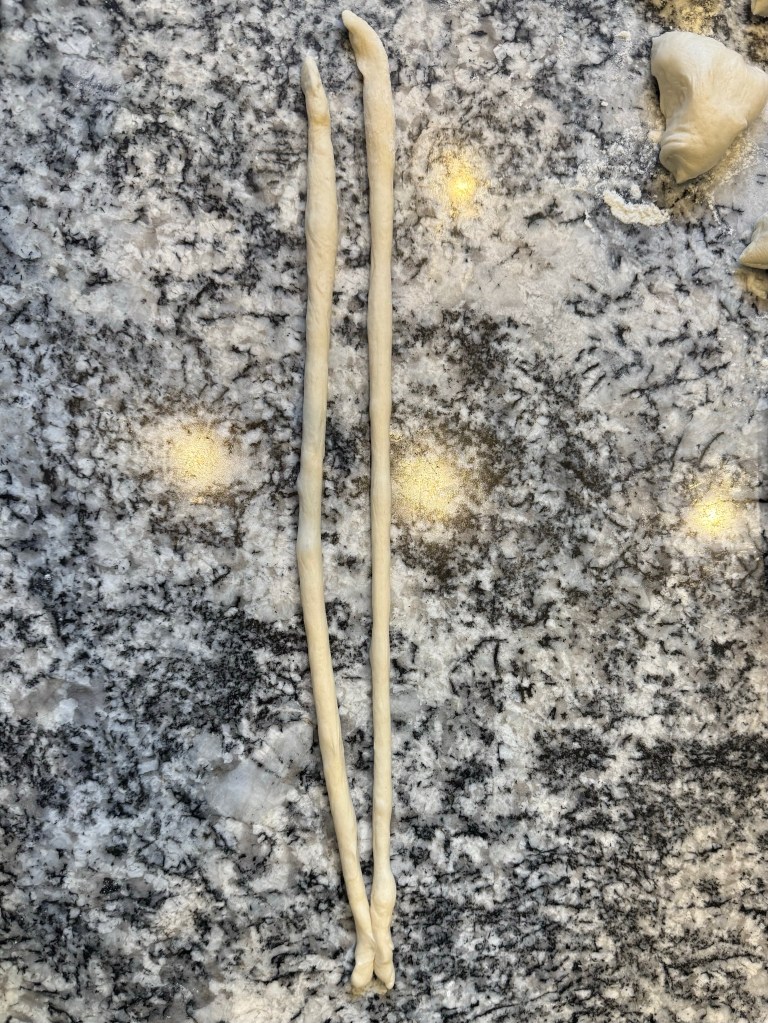
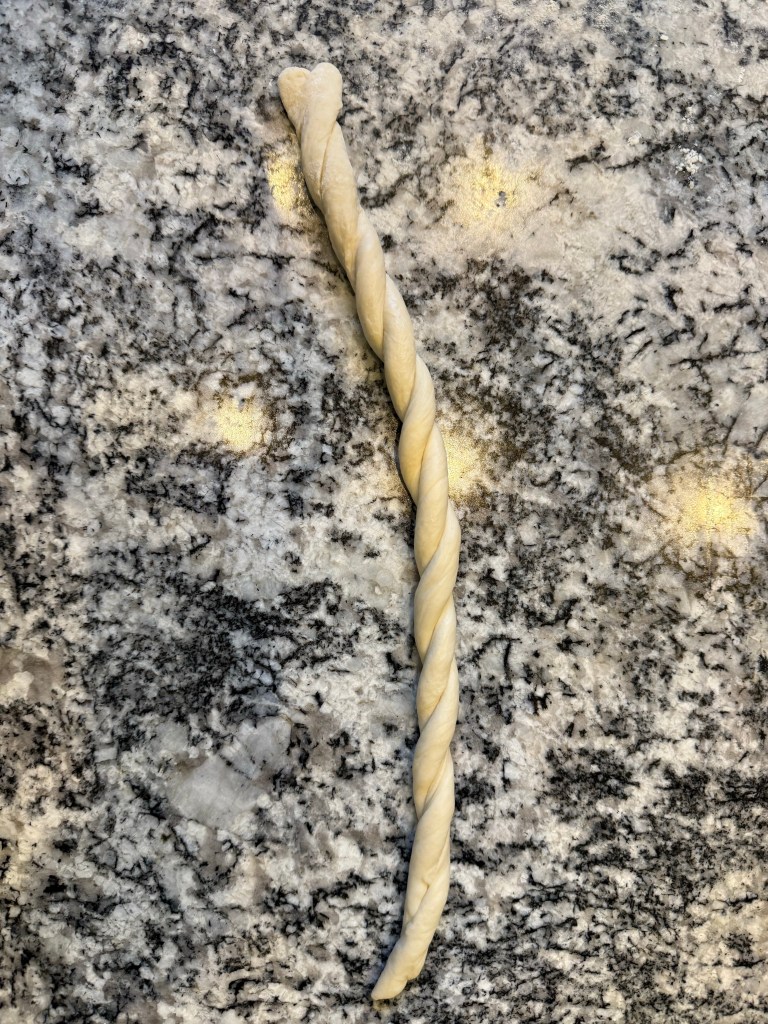
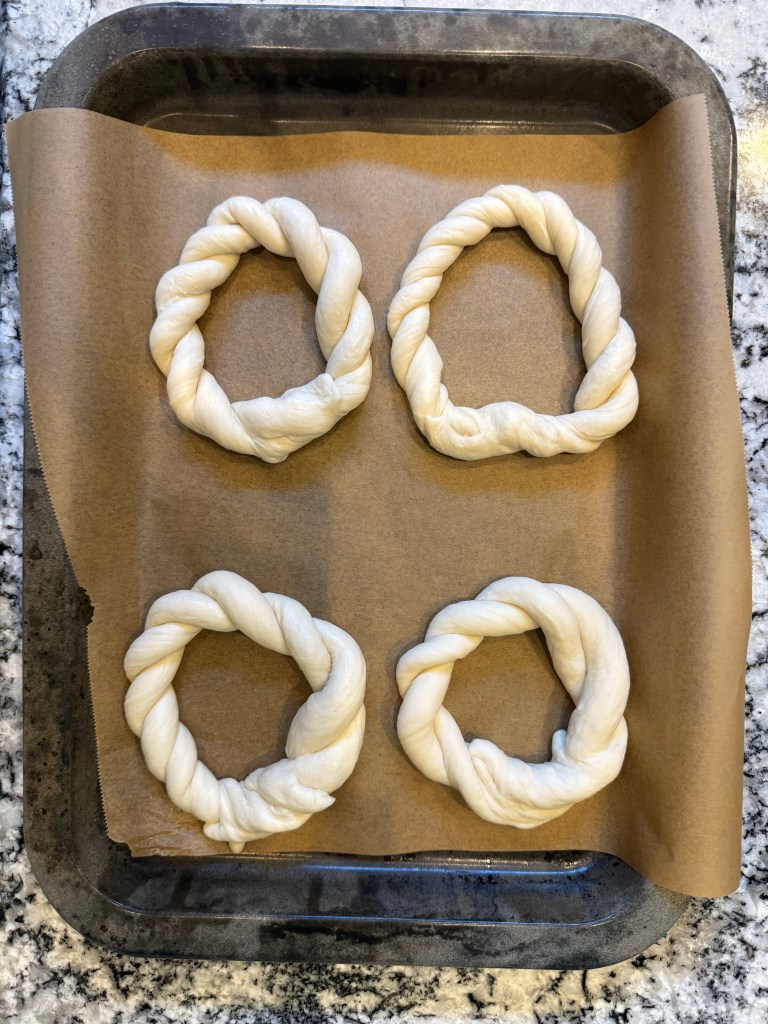
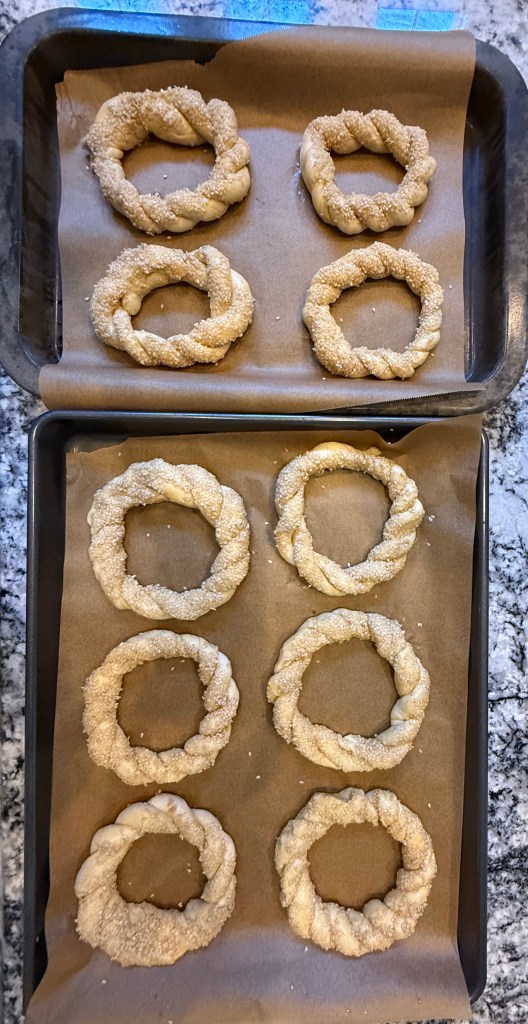
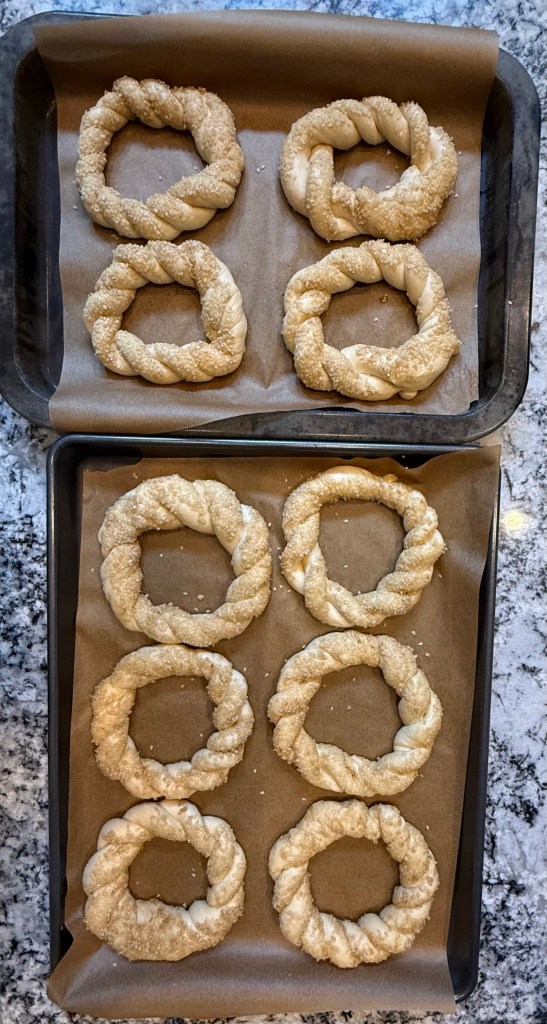
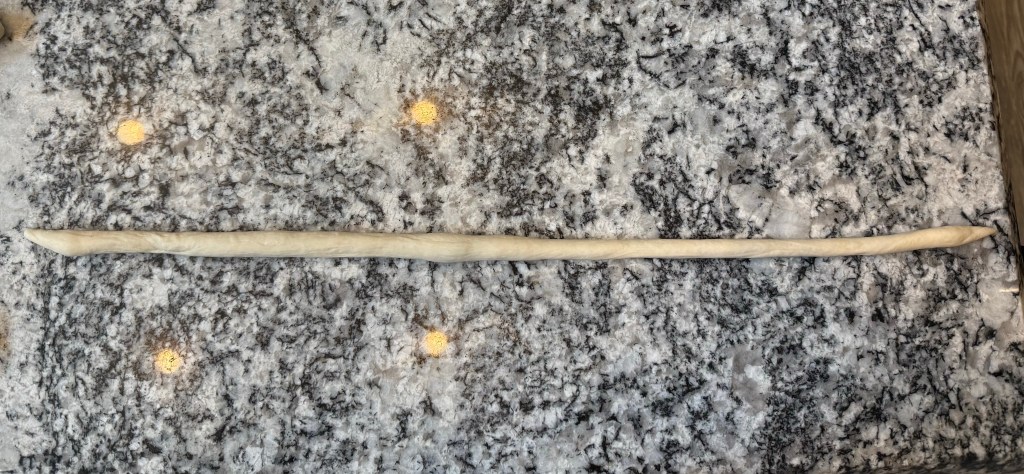
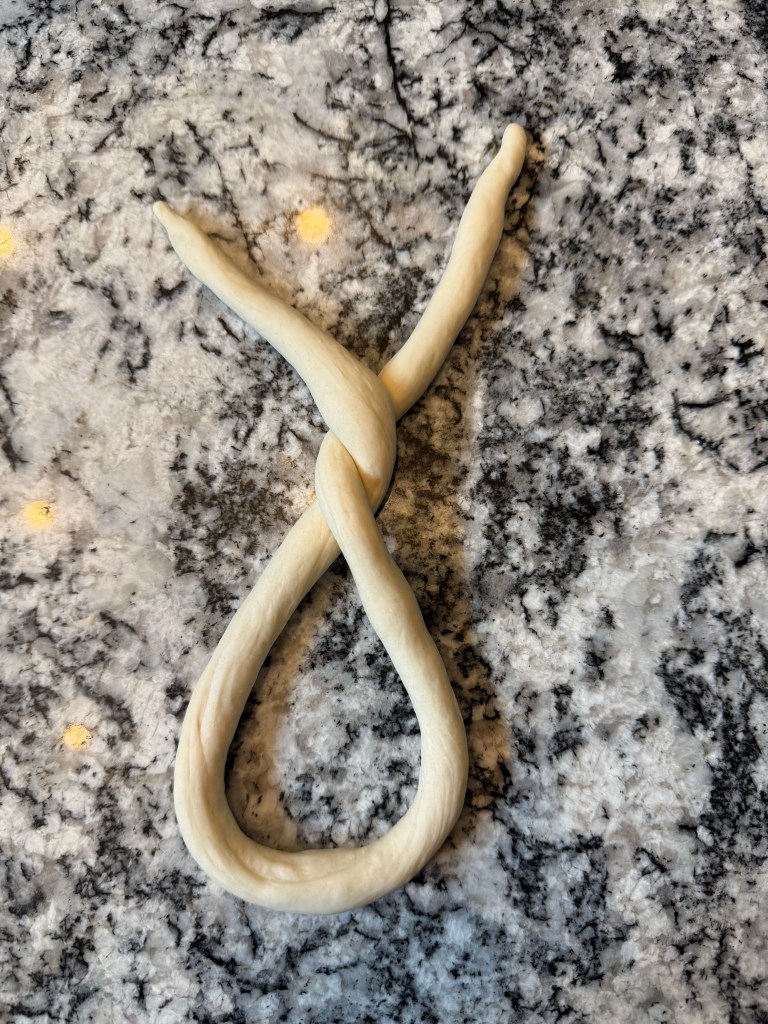
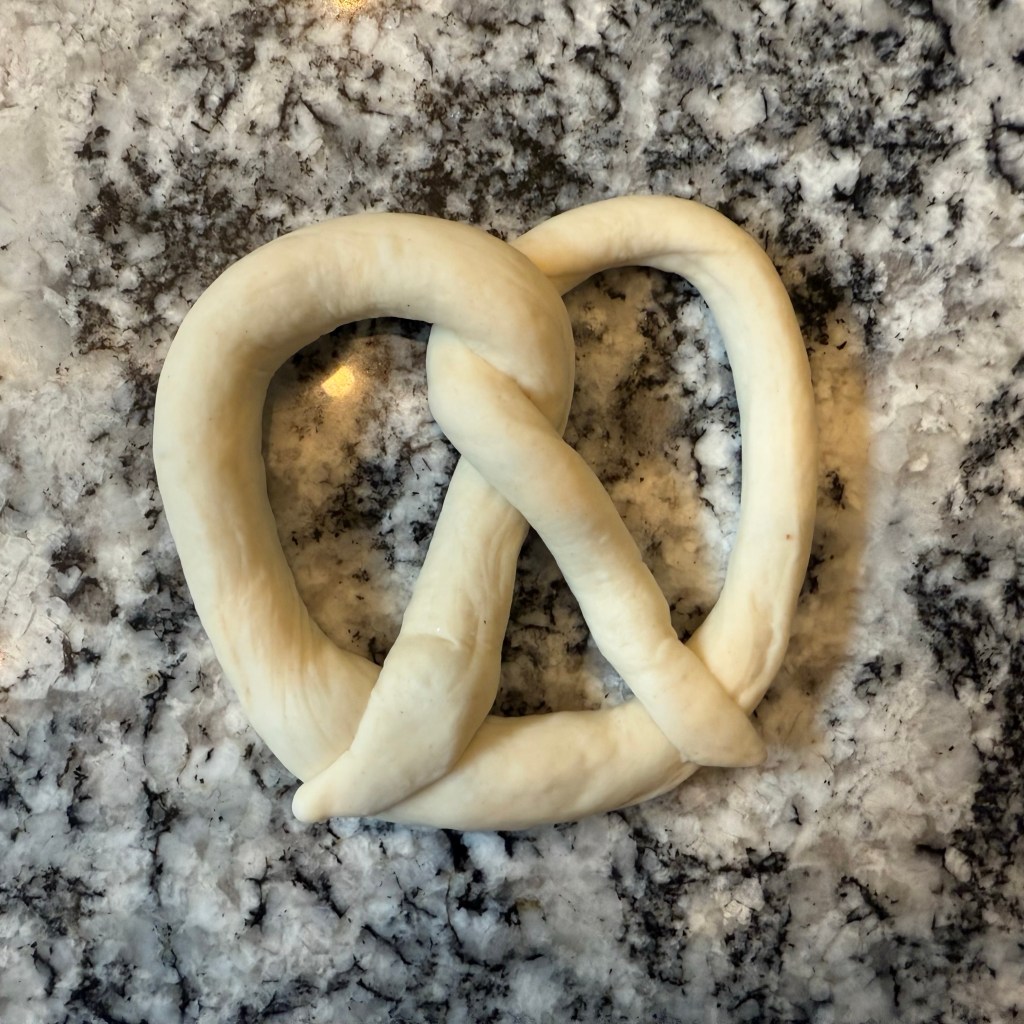
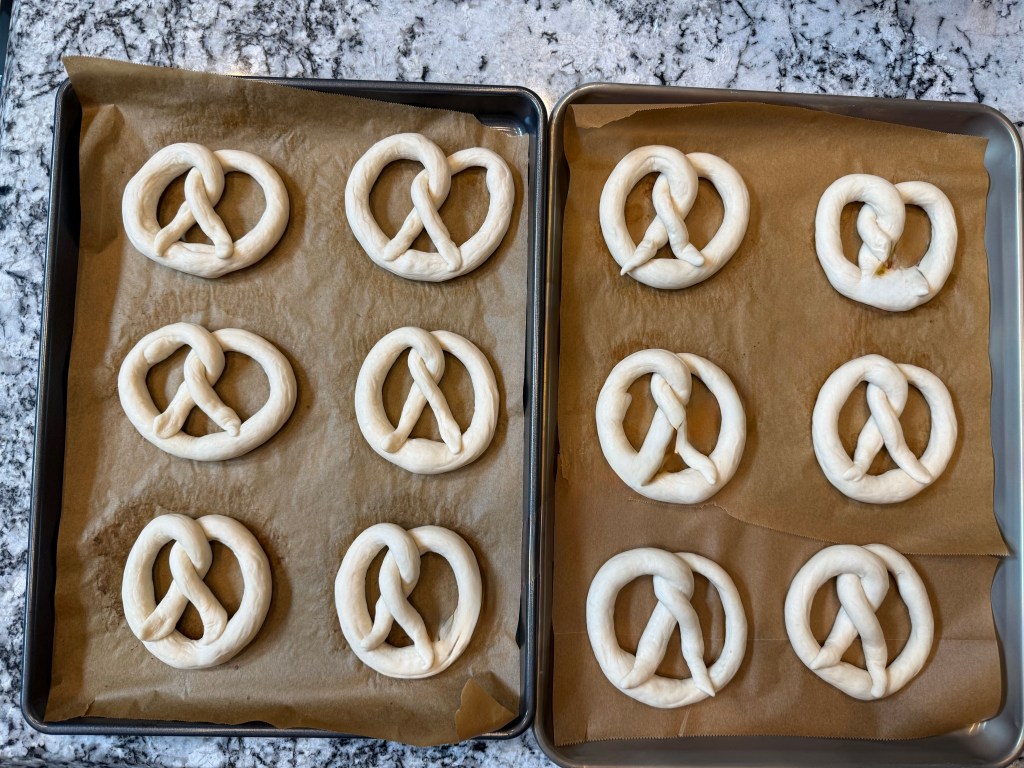
Then I shaped each piece into a pretzel. First I rolled each log into a long snake, about 2 feet long. Then I twisted the ends around each other twice. I brought the ends down to the base of the pretzel body and smushed them into place. Finally, I shimmied the pretzels into a nice shape and placed them on a pan to rise.

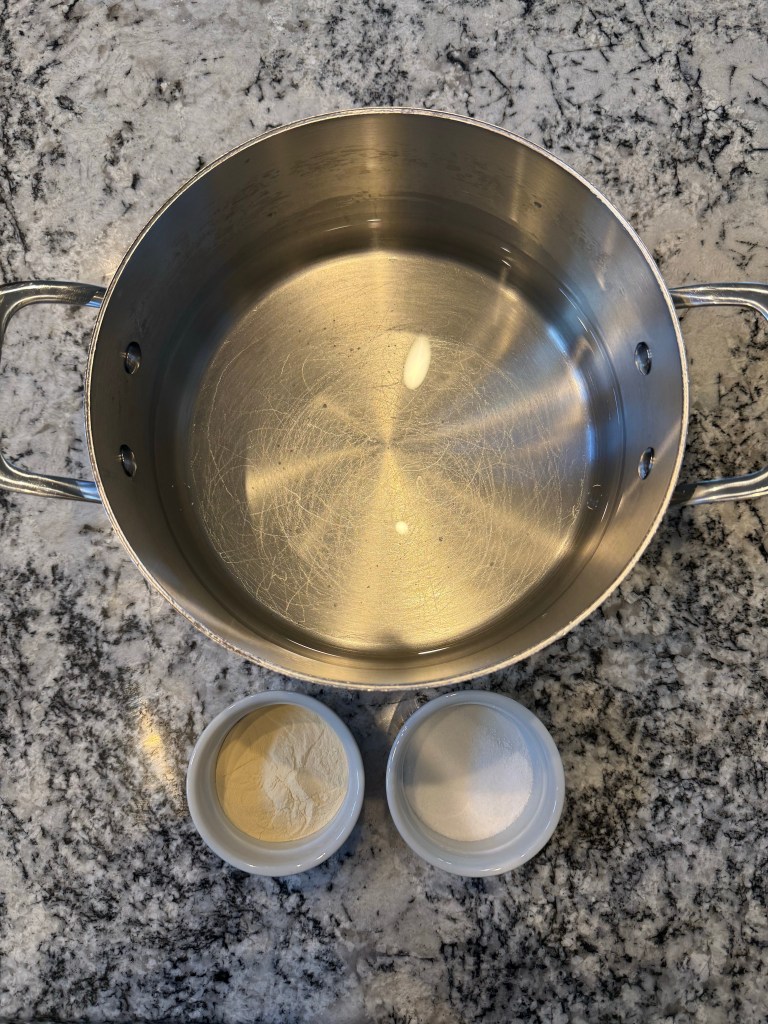
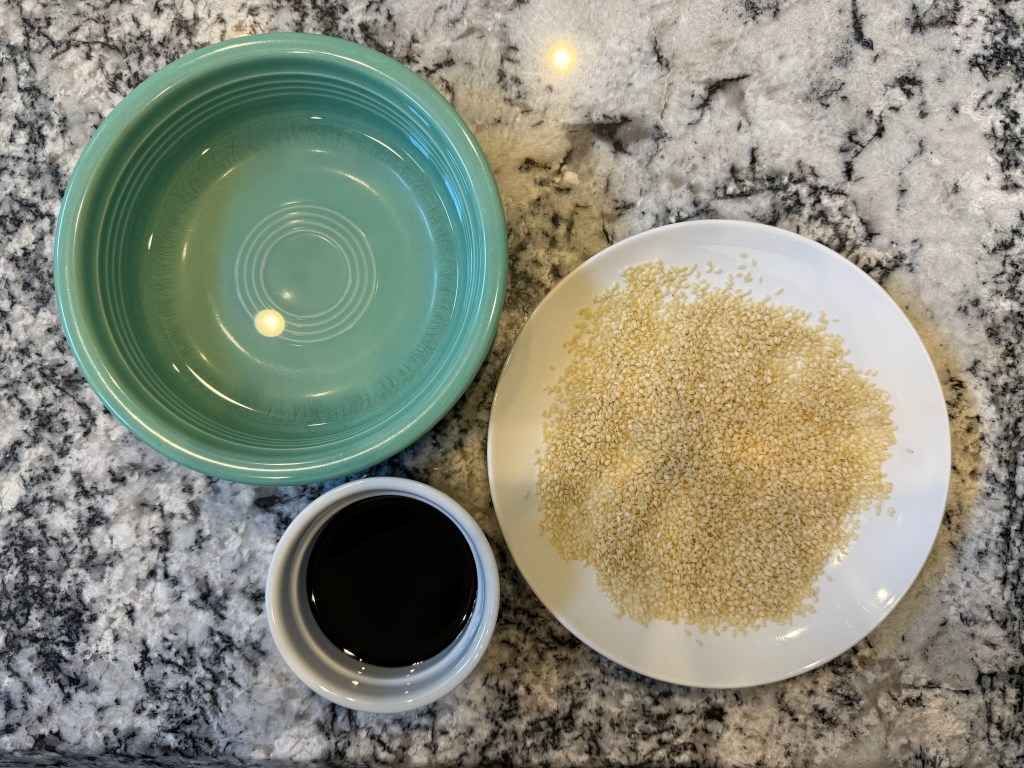
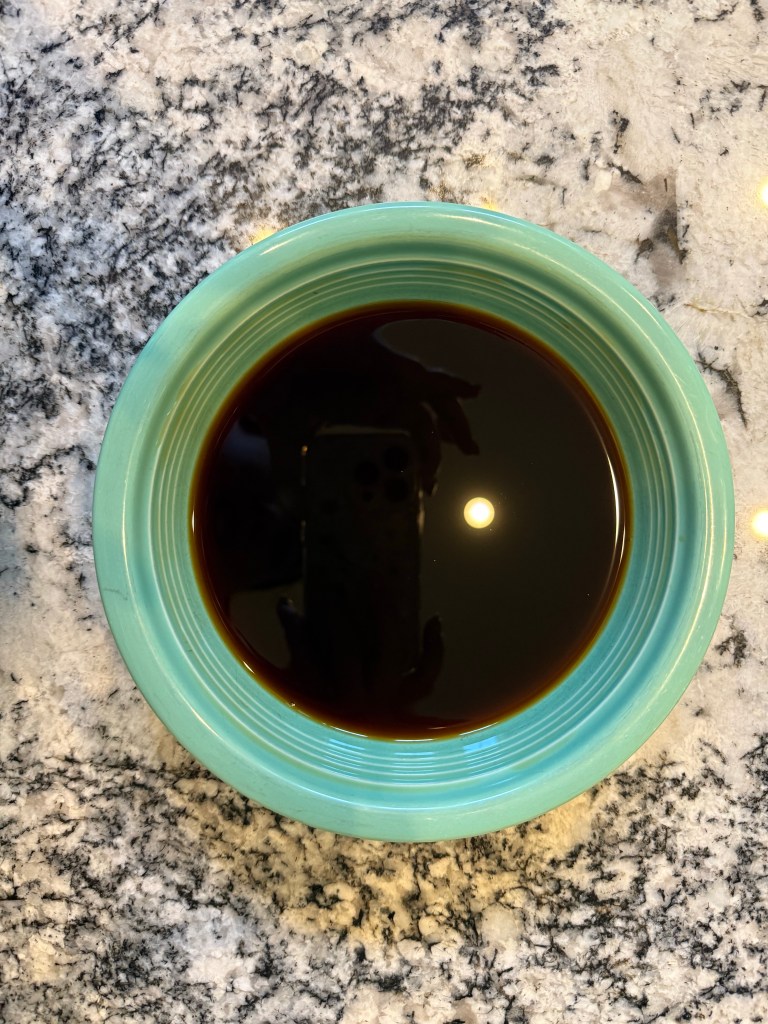
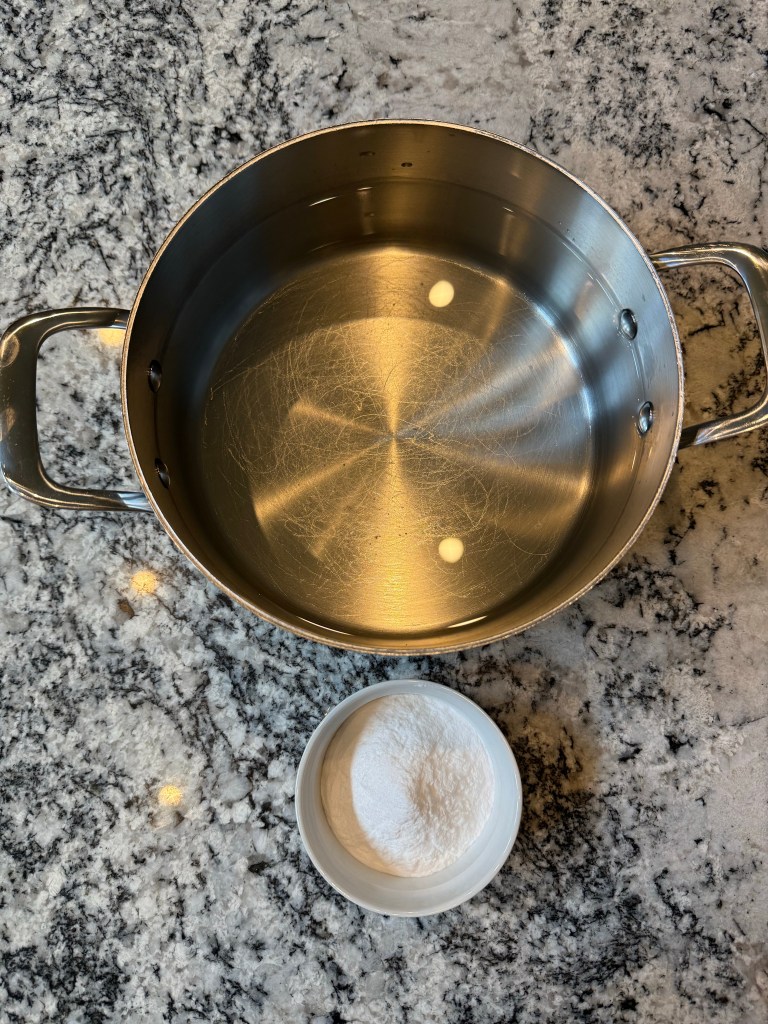
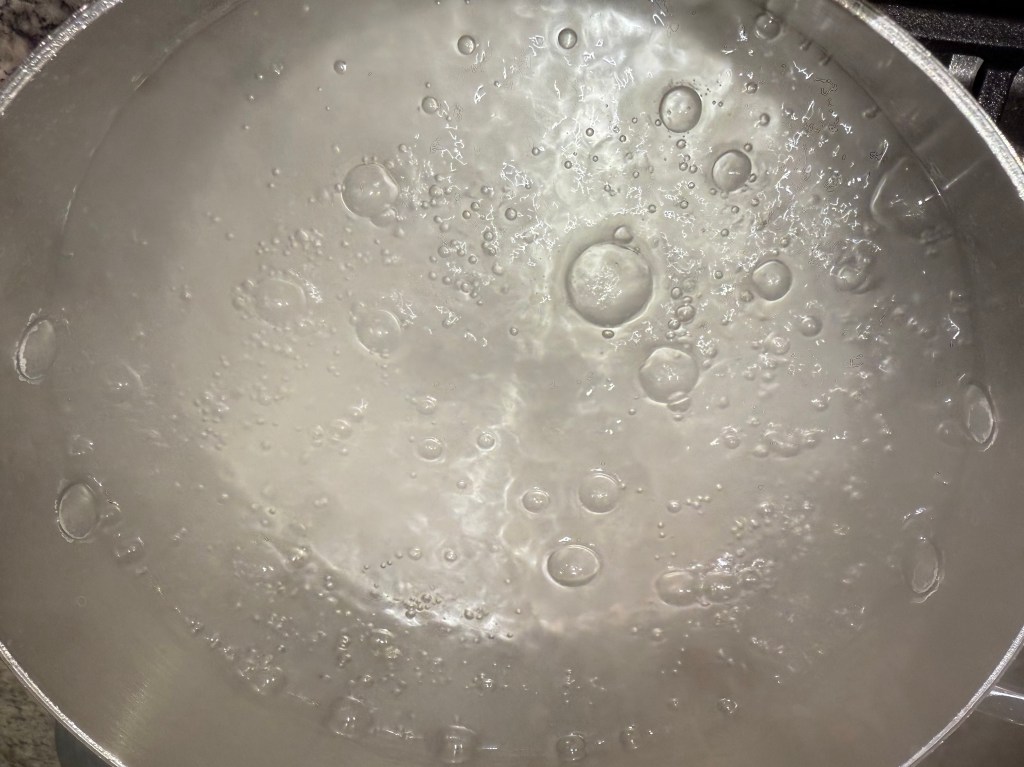
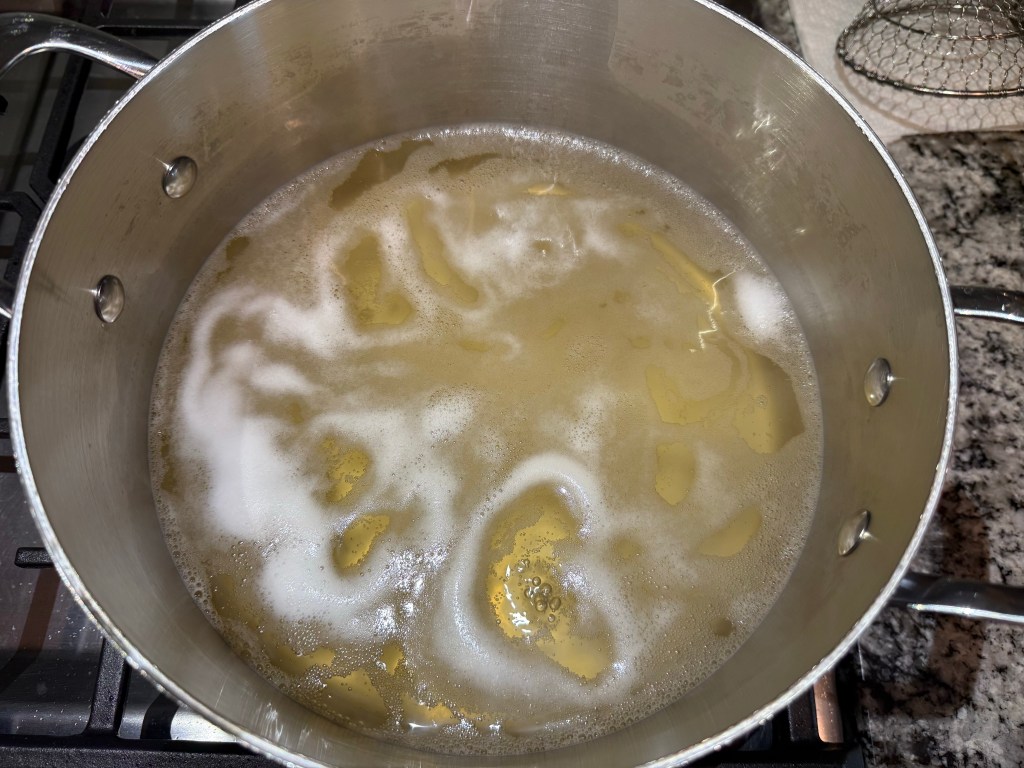
The pretzels were visibly puffy after 40 minutes. I boiled water and baking soda for the water bath.

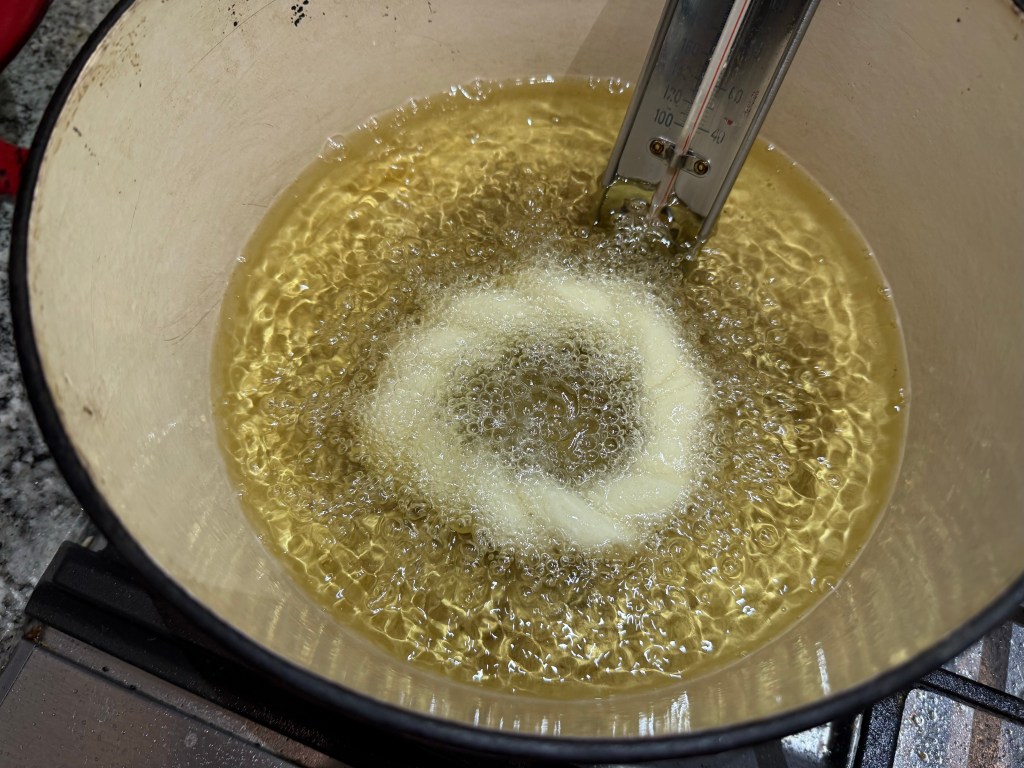
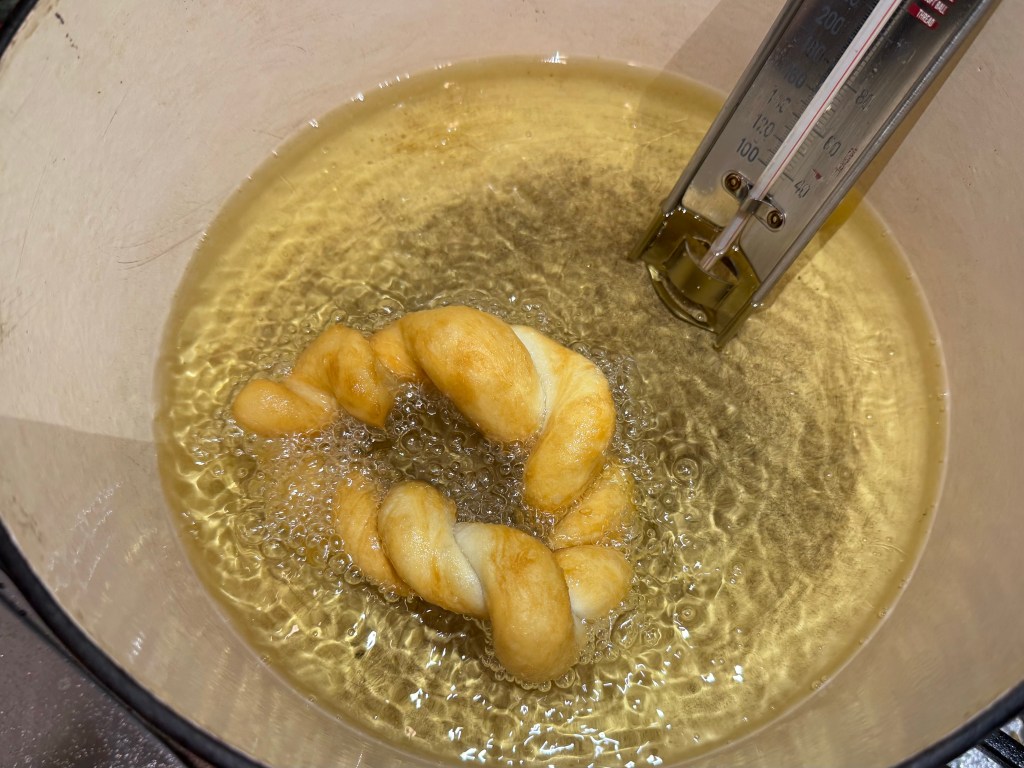
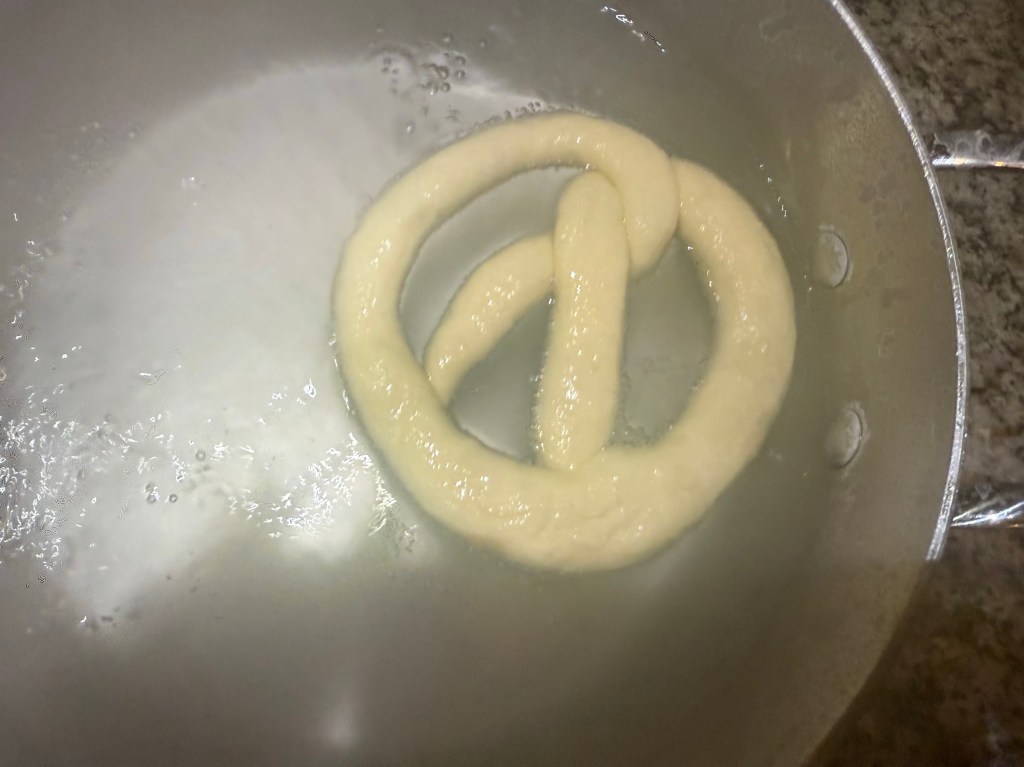
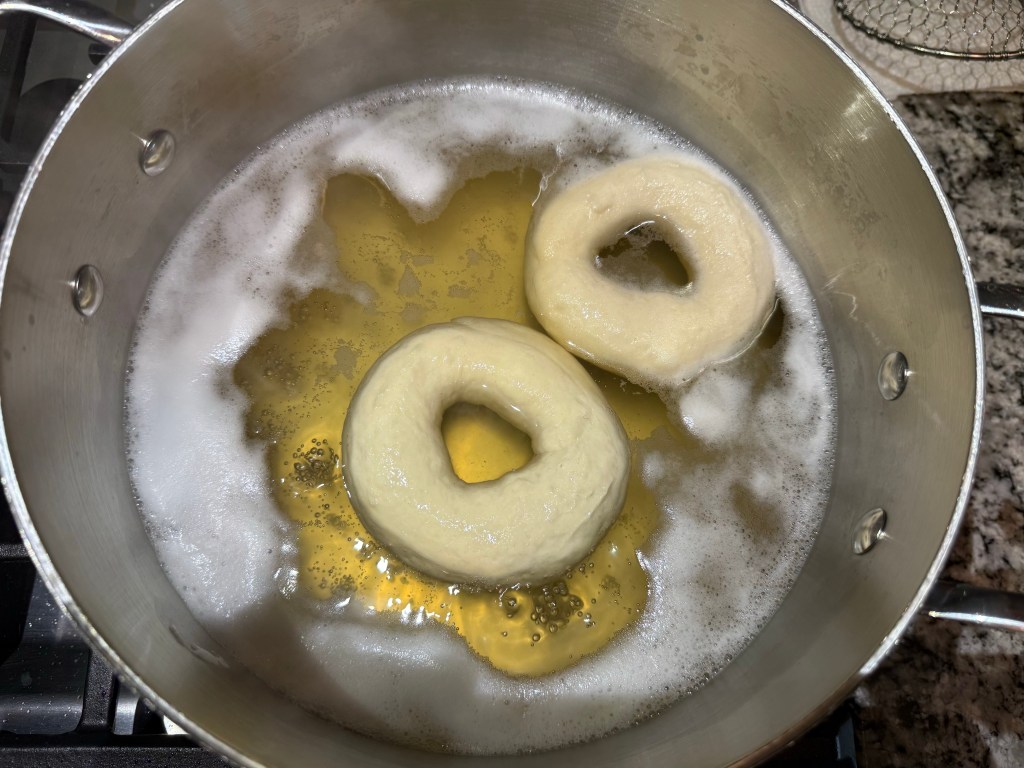
I boiled each pretzel individually for 10 seconds on each side. It was a little tricky to get the pretzels into the water without deflating them, distorting the shape, or sticking to them.

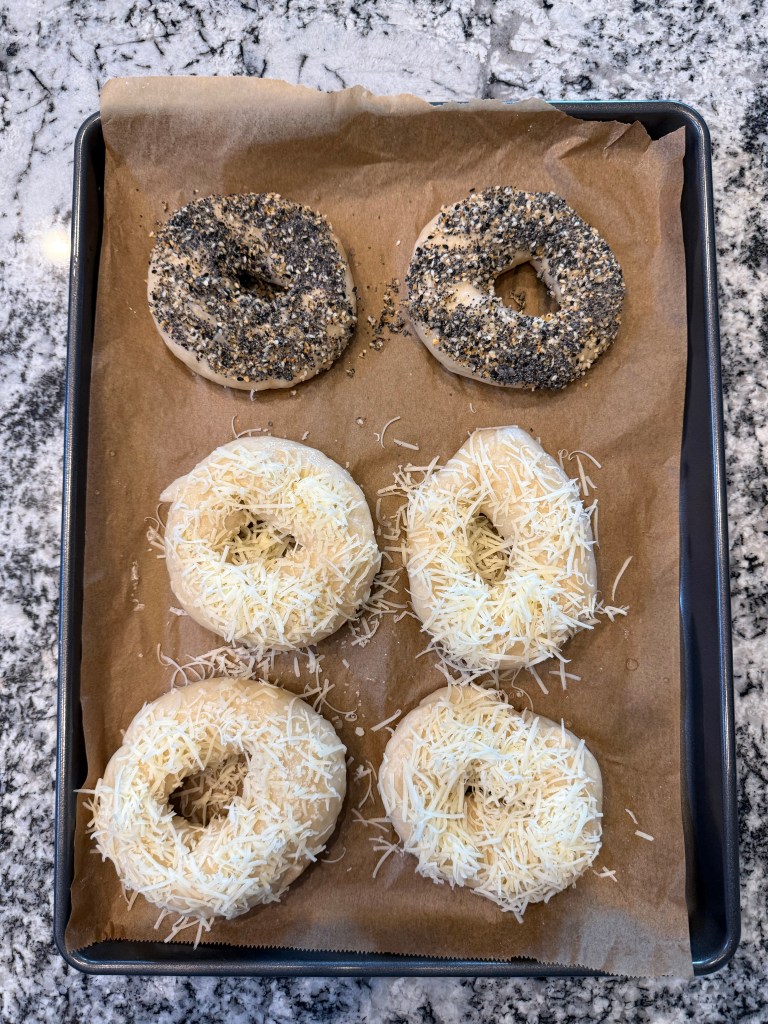
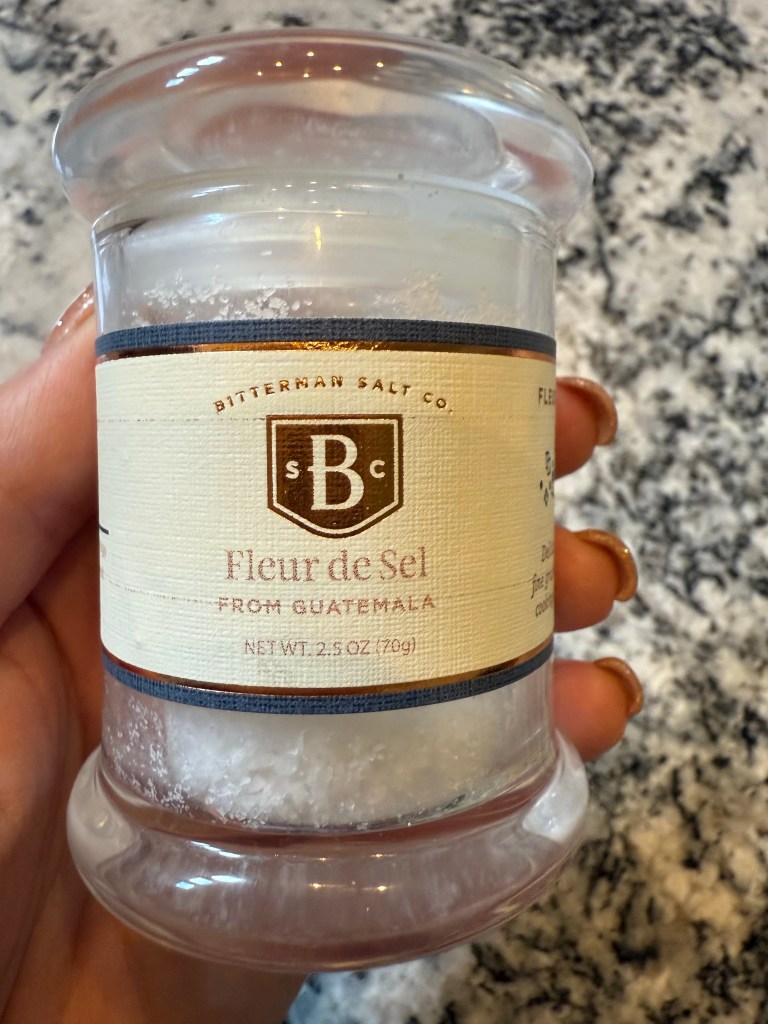
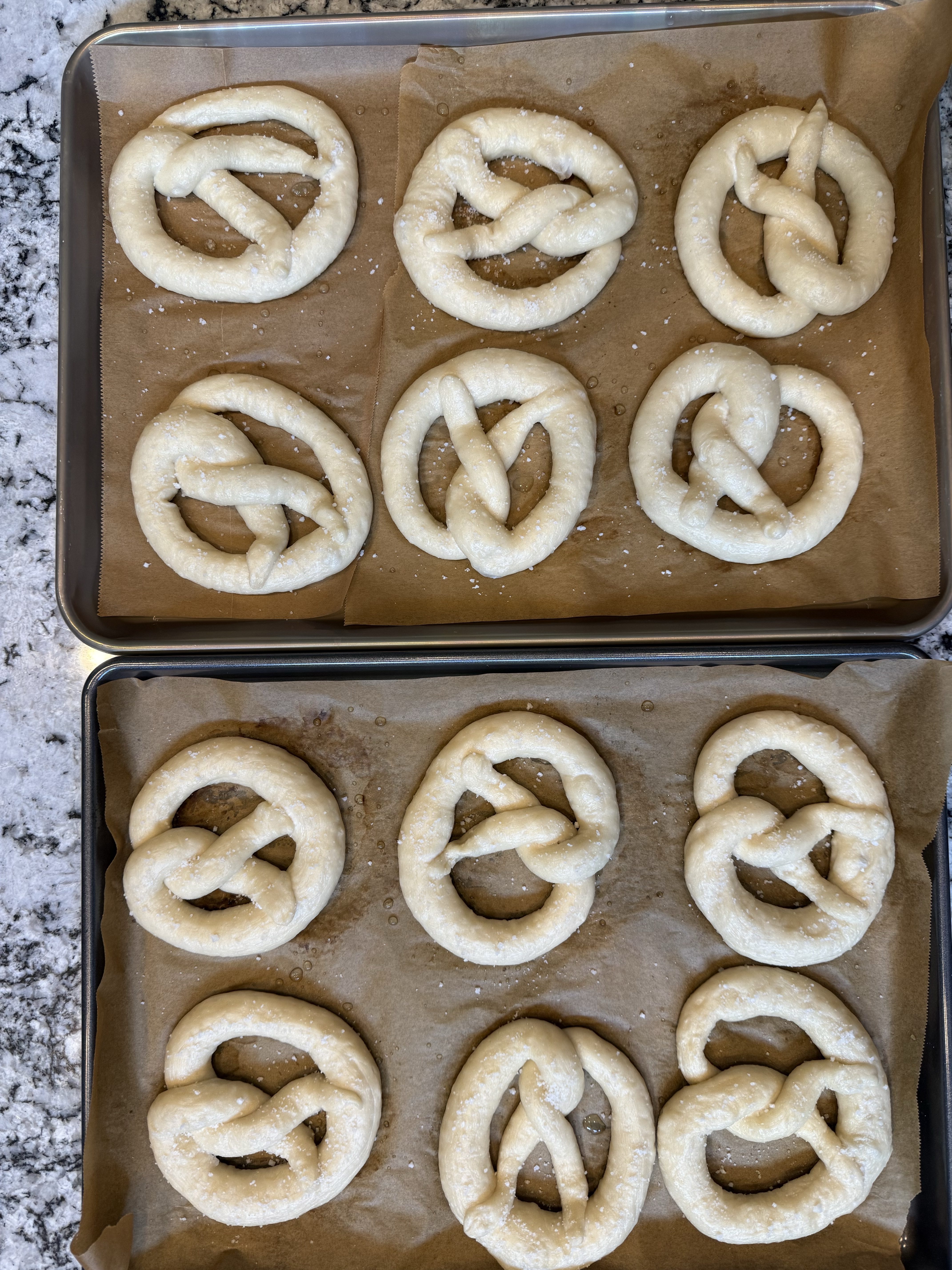
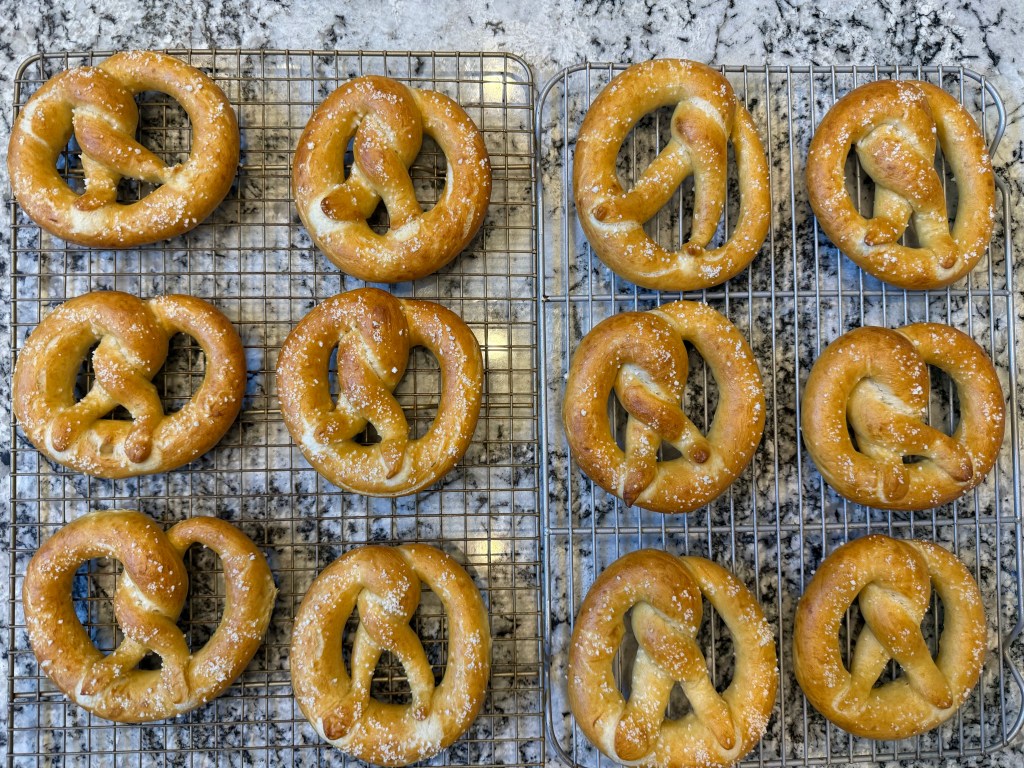
After a few minutes all 12 pretzels had been boiled. I sprinkled them with salt and put them in the oven.

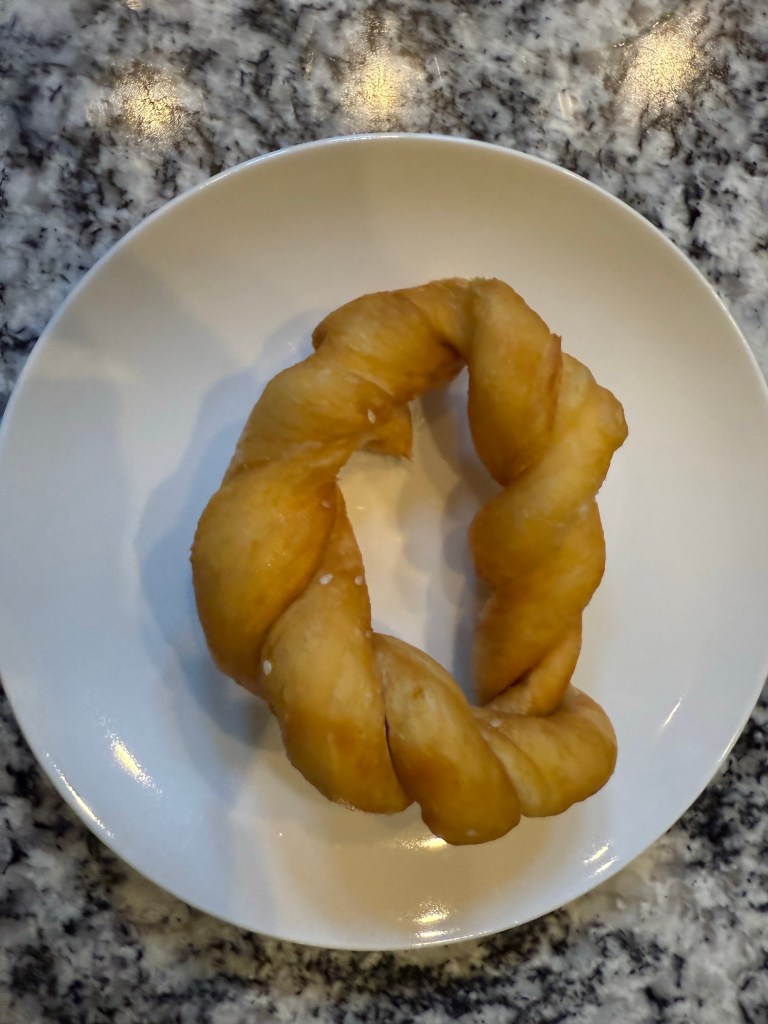
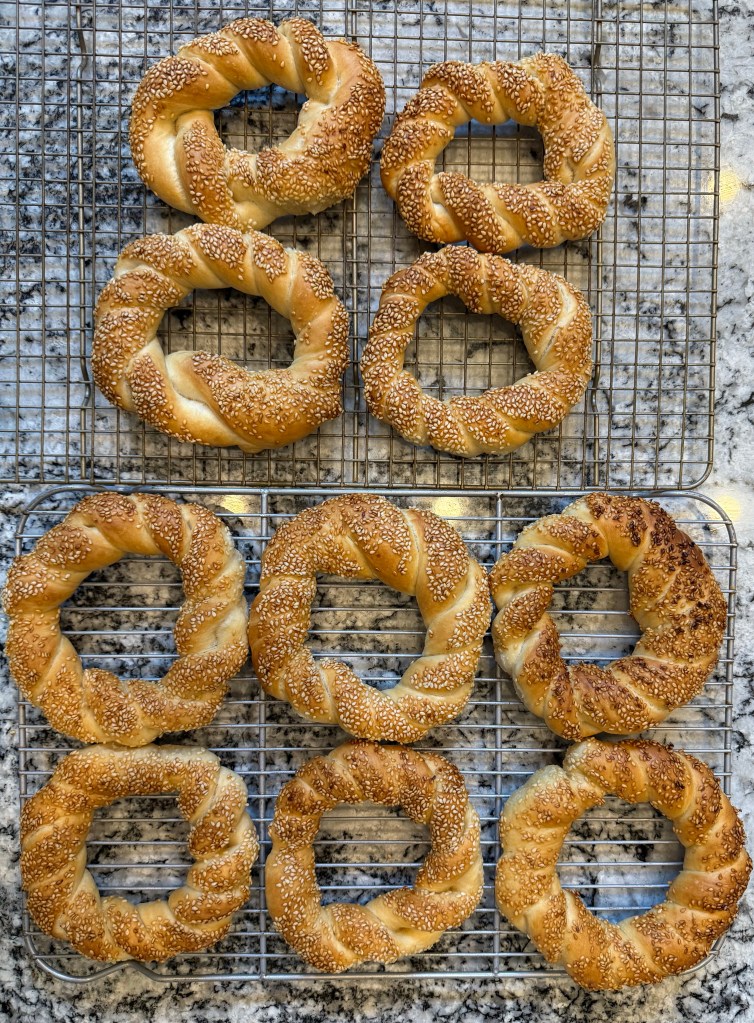
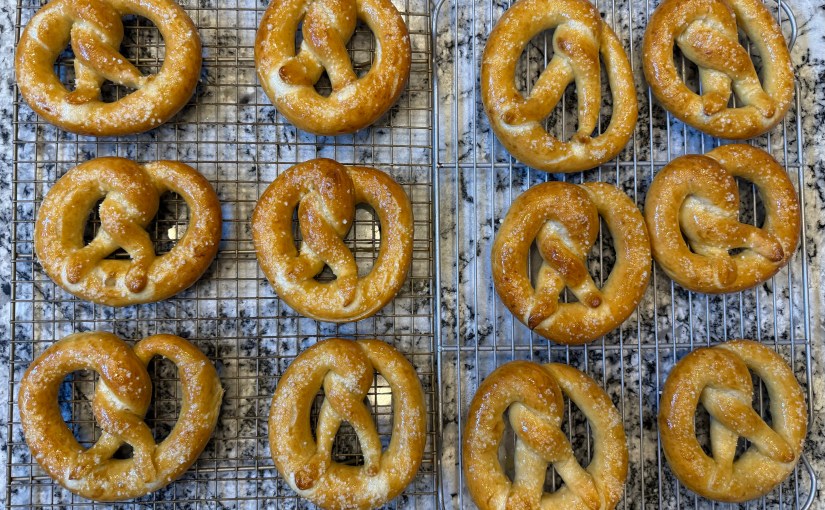
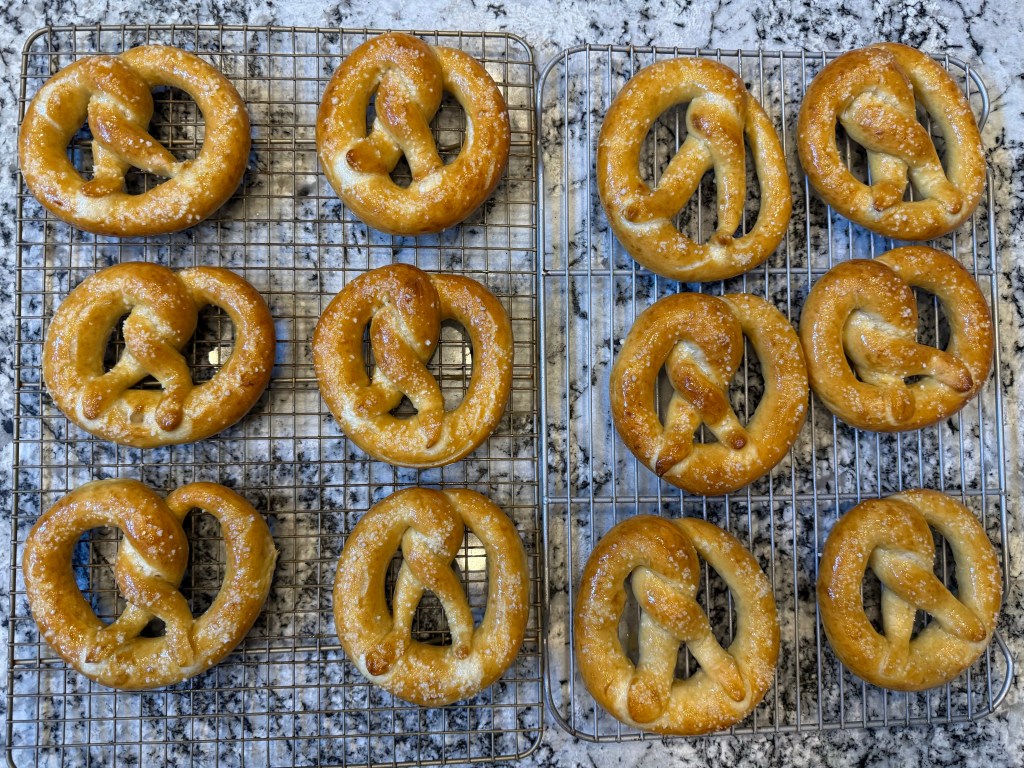
I baked the pretzels for 22 minutes, which was the maximum recommended baking time. I rotated the baking pans throughout the bake to get even colour on the pretzels. The pretzels baked to a deep golden colour, as specified in the directions, but not to a darker brown as shown in the picture and as is typically seen on pretzels.

The last step before we could eat a pretzel was to brush them with butter.

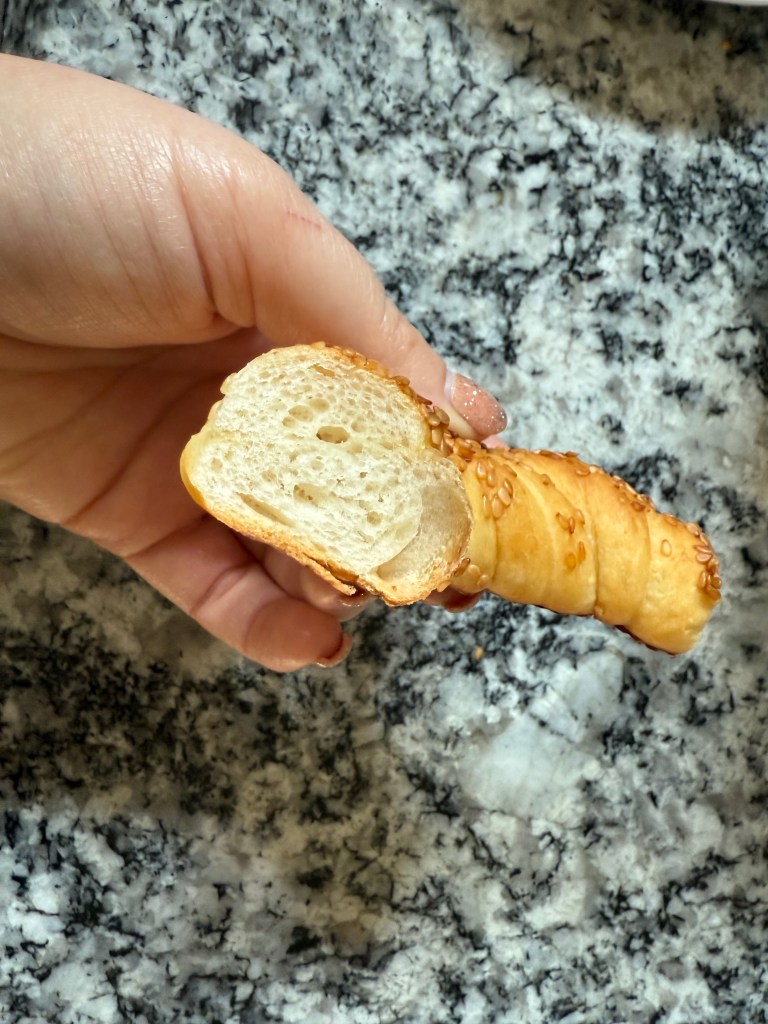
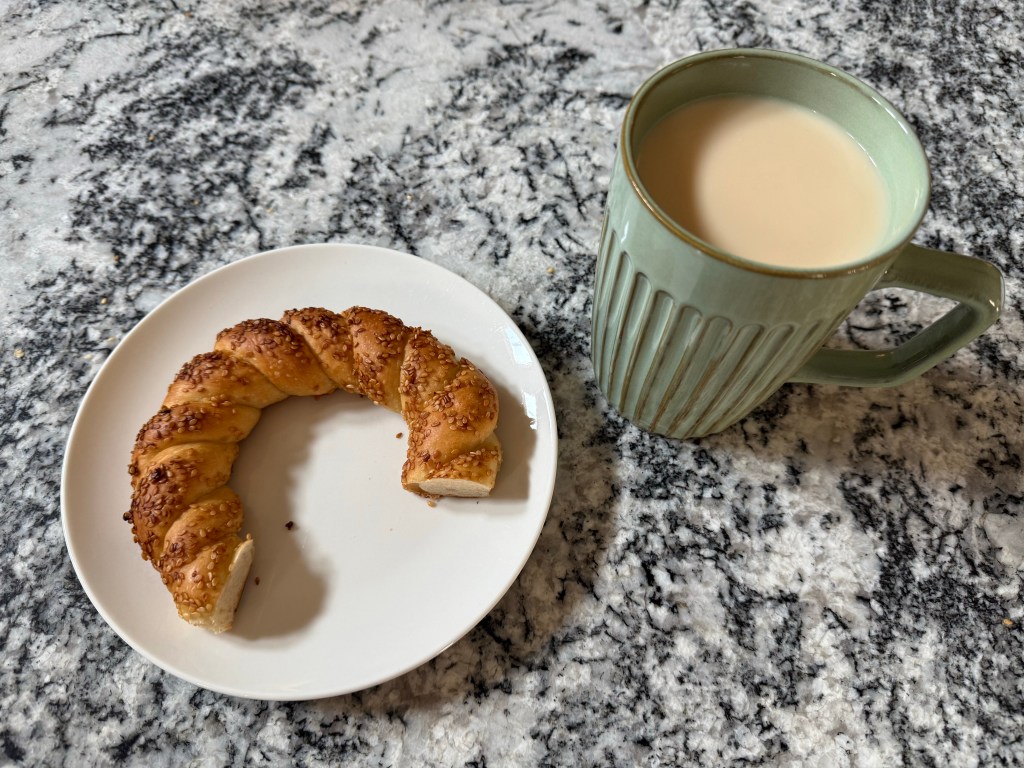
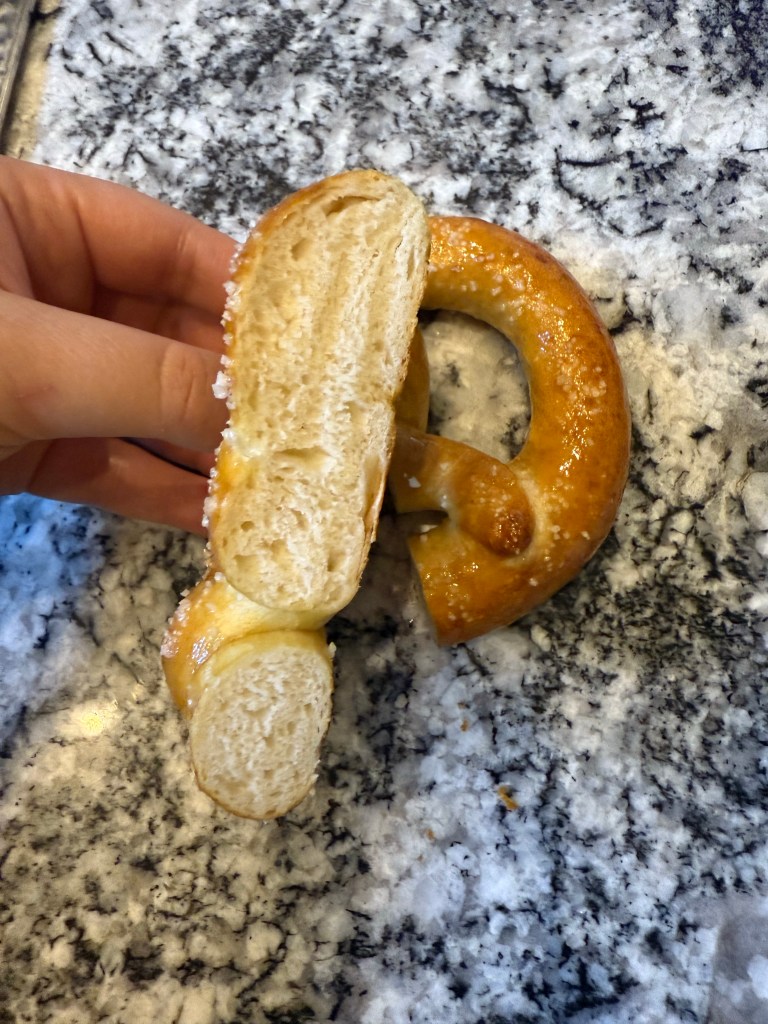
The pretzels are delicious. They have a buttery flavor (not surprising, since they were brushed with butter after baking). They taste pretzelly, but not super pretzelly. Commercial pretzel bakers boil the pretzels in a lye solution, which is more caustic than the baking soda solution I used. This impacts both the flavor and the colour of the pretzels. I have read that you can bake baking soda to change it into Carbonate of Soda (rather than Bicarbonate of Soda), which is more caustic than baking soda, but less caustic than lye, so I’d like to try either that or a lye bath next time. I also wonder how much deeper the colour would have gotten if I had left the pretzels in the oven for 25 minutes. Would they have been over-baked at that point? Clearly more experimentation is needed.

Until the next time: may your yeast always rise and your flour never run out

Unlocking the Flavors of Multigrain Bread

Words are funny. When I picture a “multigrain” bread I think of something brown, made with whole wheat flour. This loaf, however, is made entirely of white bread flour, but incorporates whole grains and seeds. Surprise!

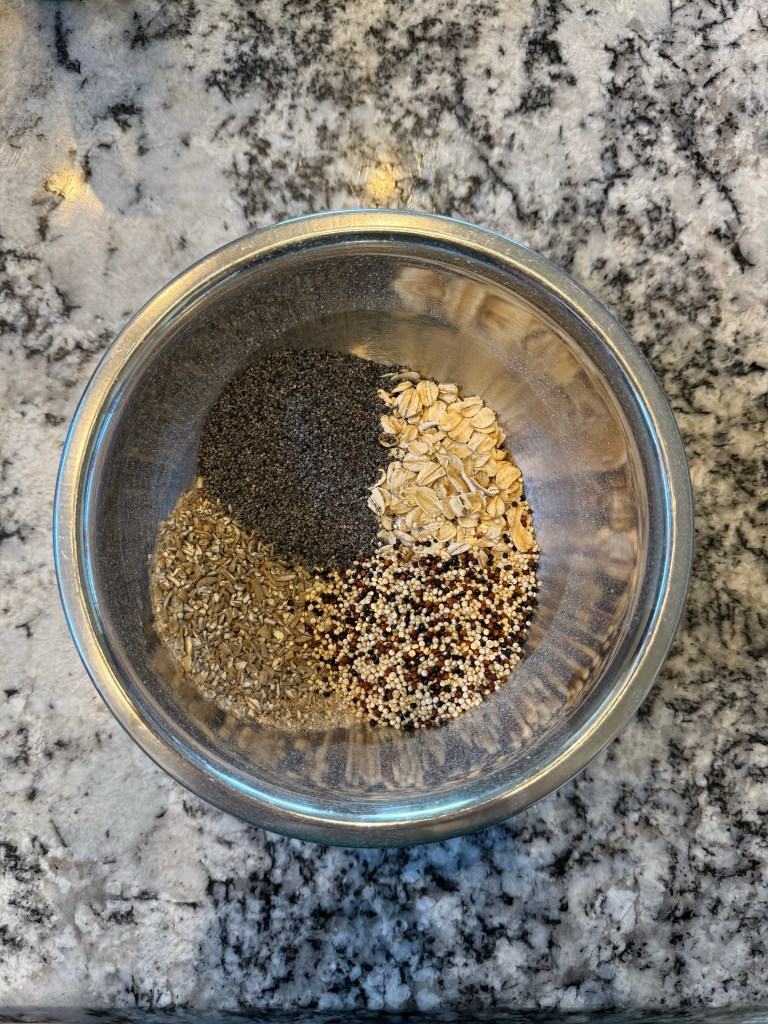
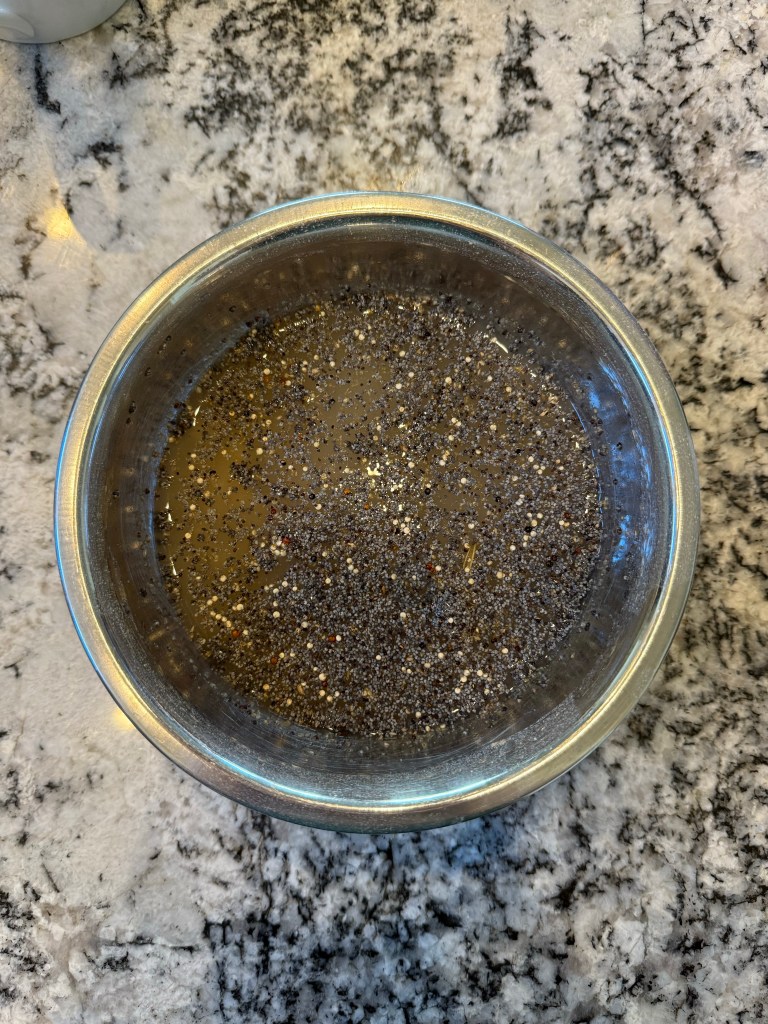
The night before baking I weighed out my grains and seeds and set them to soak. I used 20 grams each of poppy seeds, quinoa, and Old Fashioned oats, and 25 grams of rye grain (I used my grain mill on the largest setting to crack the grain).

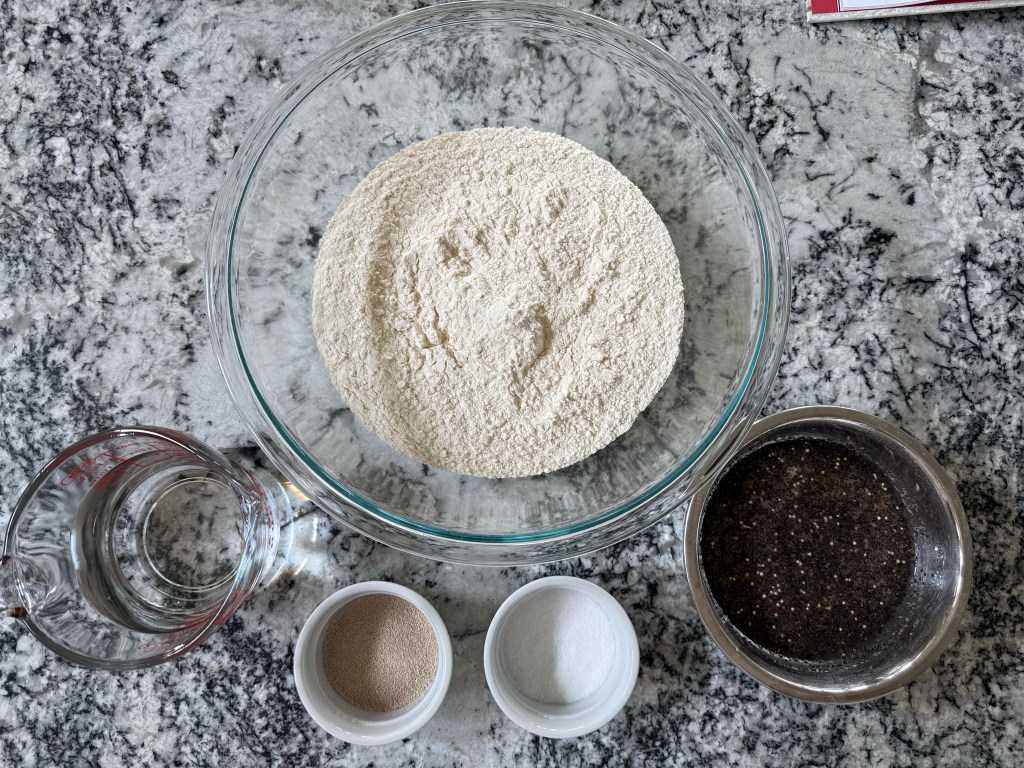
The next morning I prepared my mise en place. Other than the soaked grains, this bread is extremely simple: just flour, water, salt, and yeast.
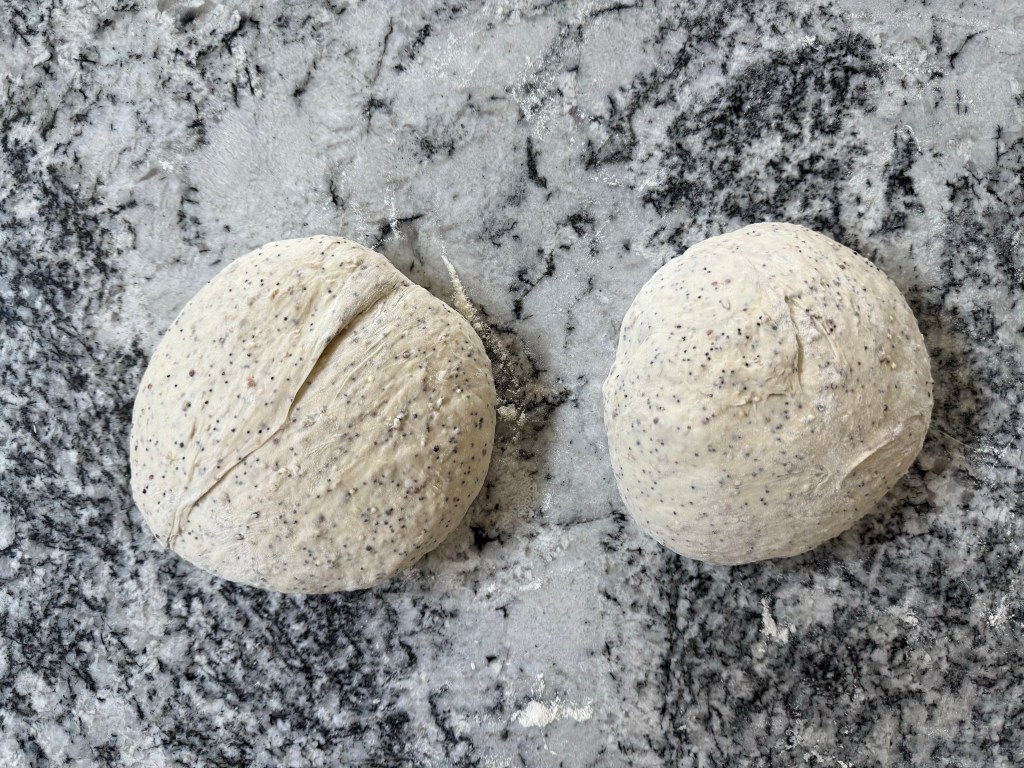
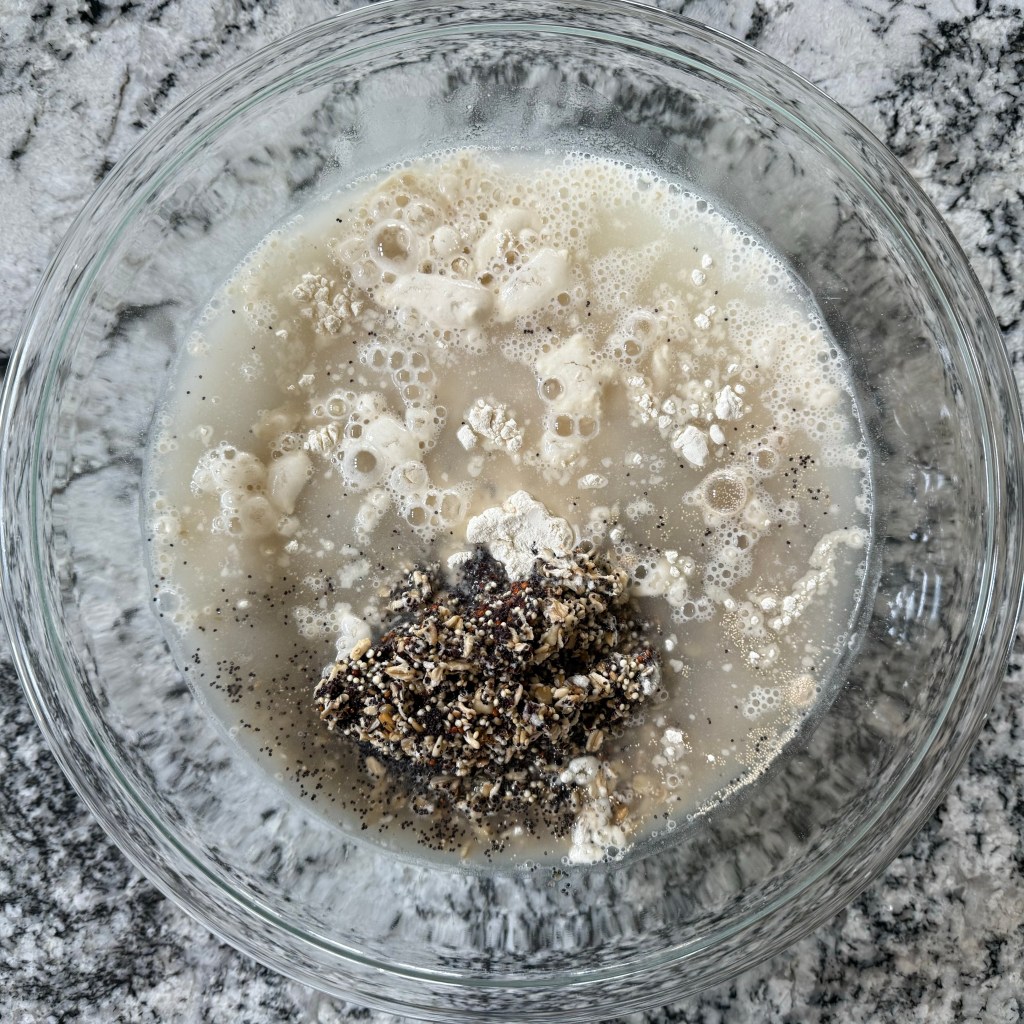
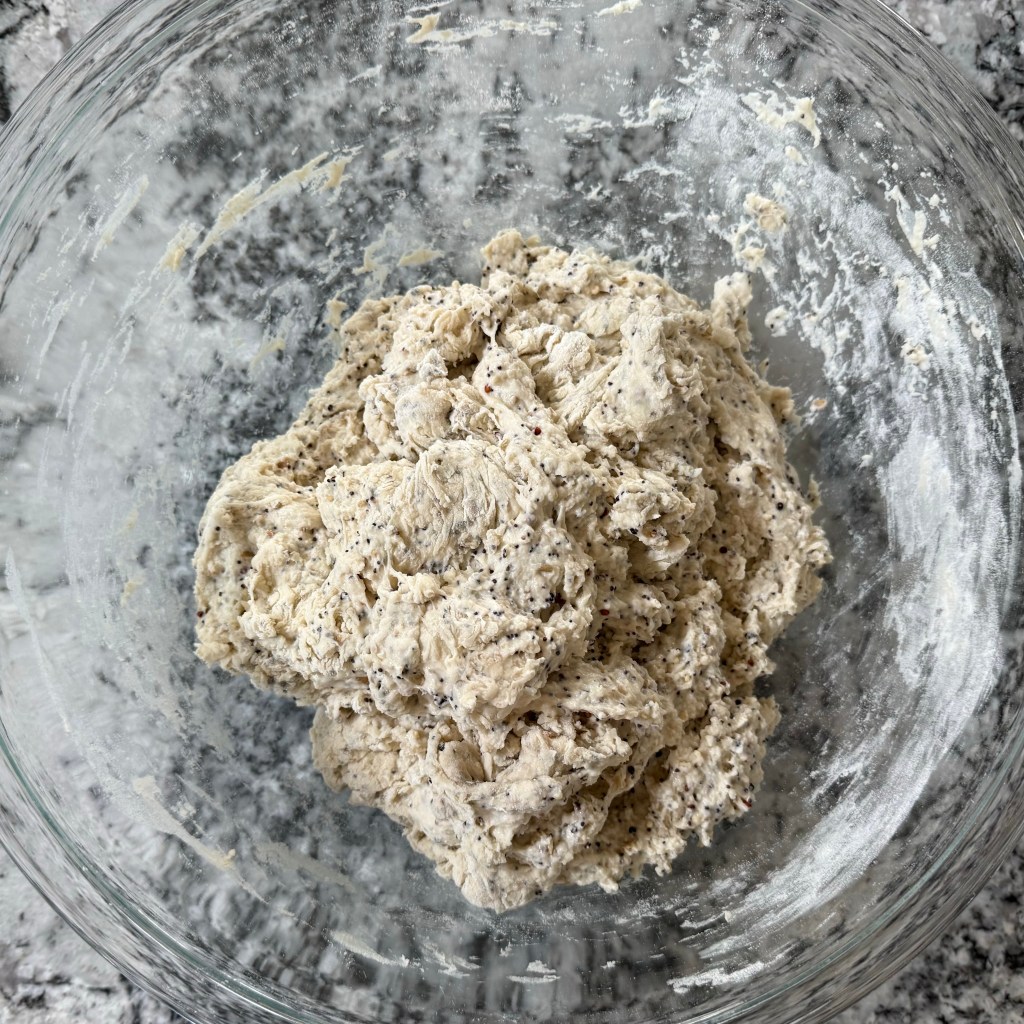
Per the instructions, I mixed all the ingredients together, then kneaded the dough (I kneaded by hand for 4 minutes). I still find it difficult to gauge when I have kneaded enough since a dough that is “smooth and elastic” is rather subjective, so I try to err on the side of too much kneading rather than too little.
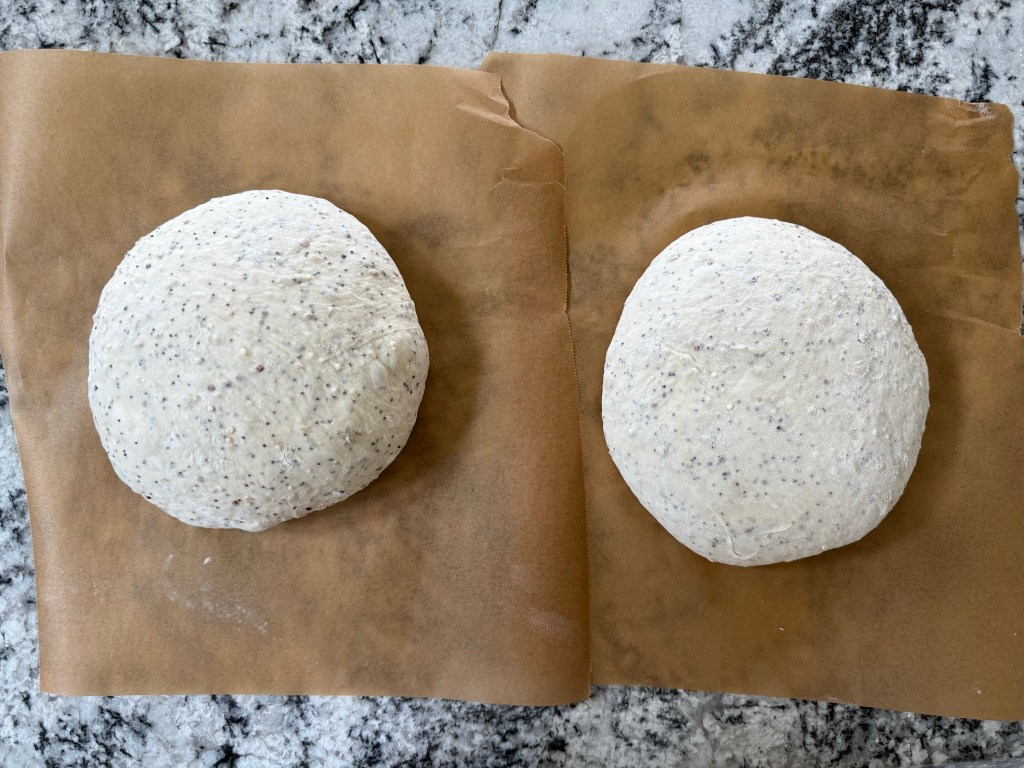
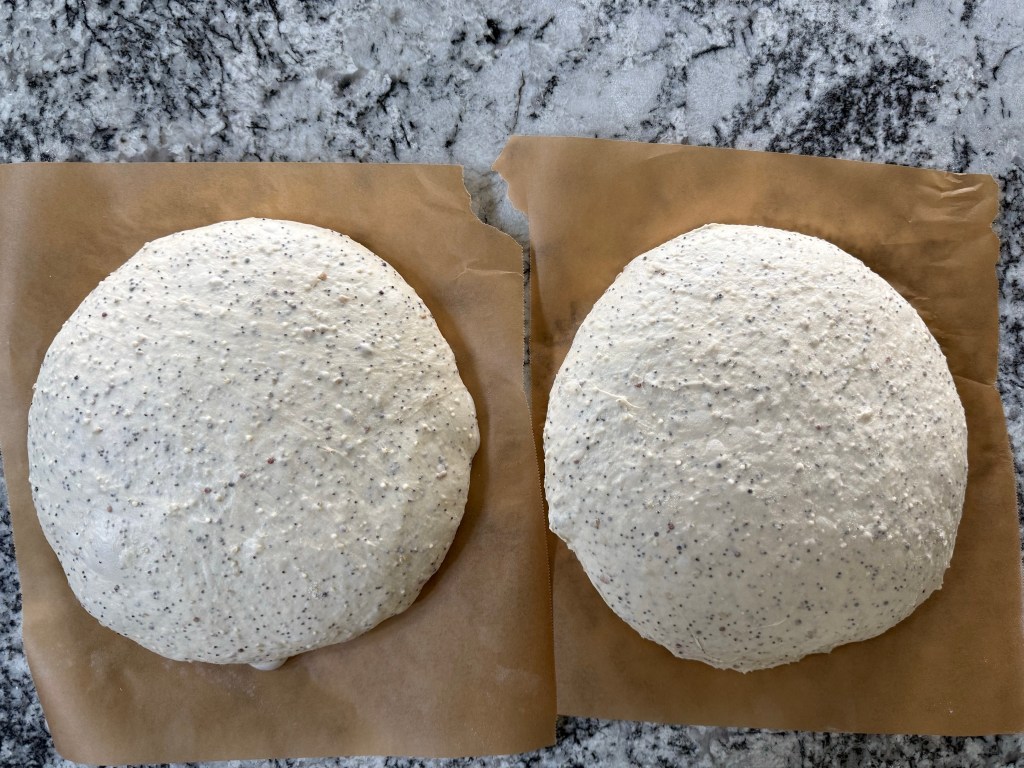
After the dough had risen for an hour I divided it in two and preshaped shaped it.

I let the loaves rest for 15 minutes, then did the final shaping.

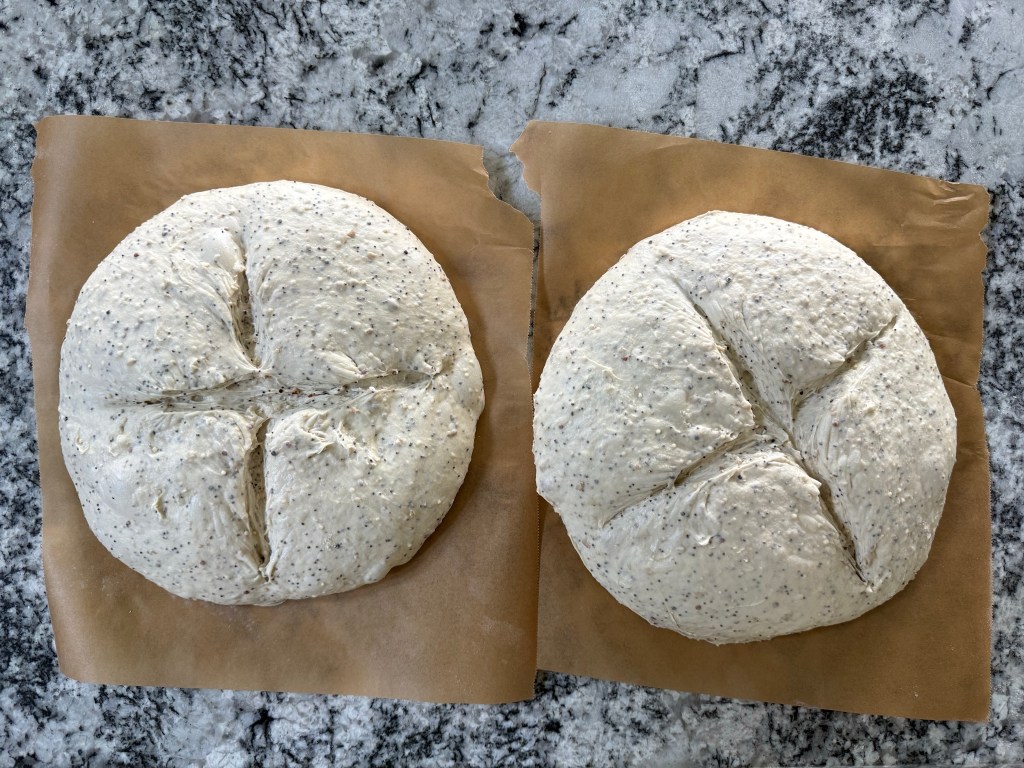
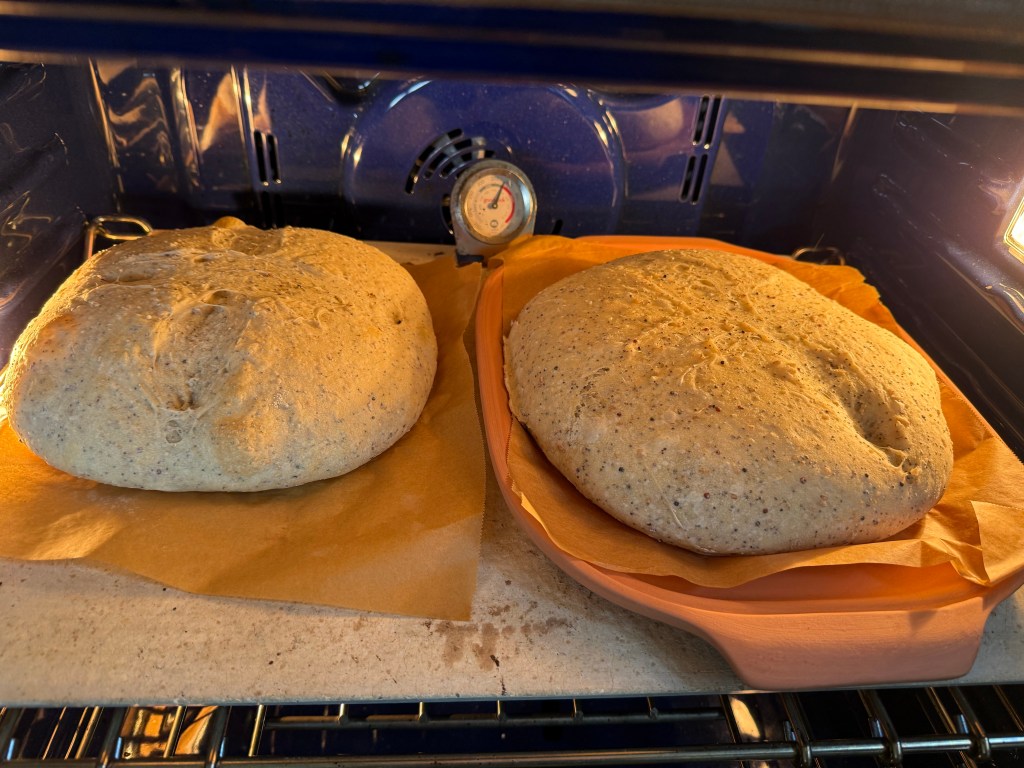
I let the loaves rise for an additional 45 minutes before baking. When I took the covers off them to put them in the oven I noticed that they had risen sideways instead of up, which was concerning.

But there wasn’t much to do except bake them, so I scored them (the dough was quite wet and didn’t want to score nicely), put them in the oven, and crossed my fingers.

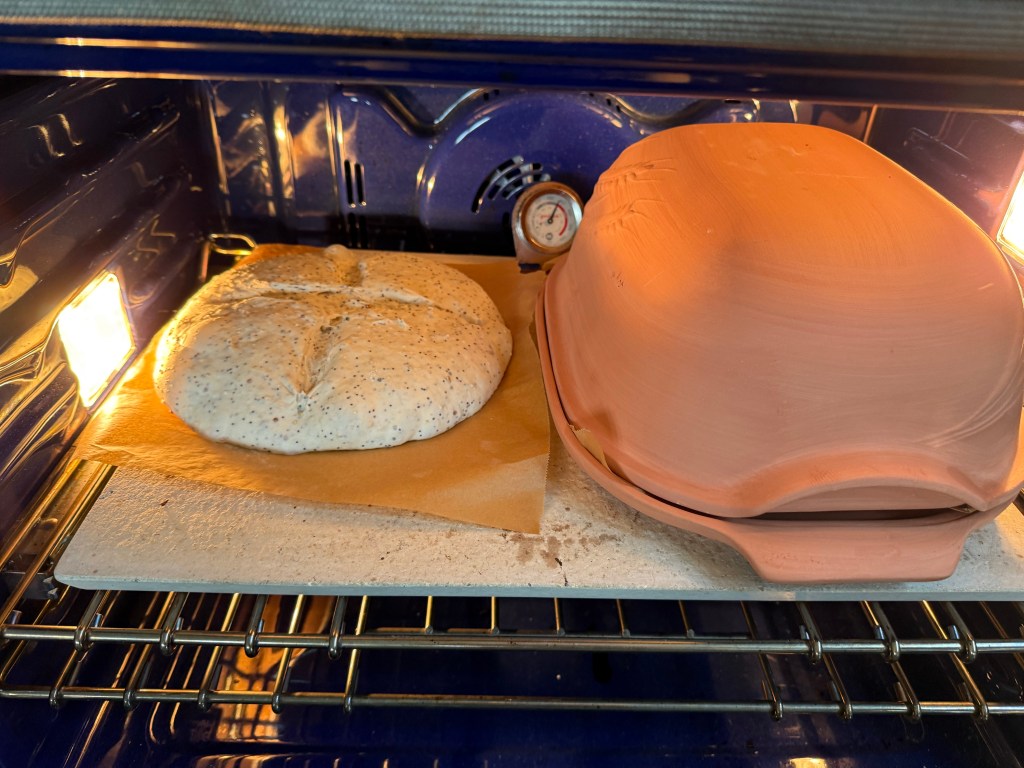
Since I had two free-form loaves, I once again decided to test the impact of my baking cloche on the bread.

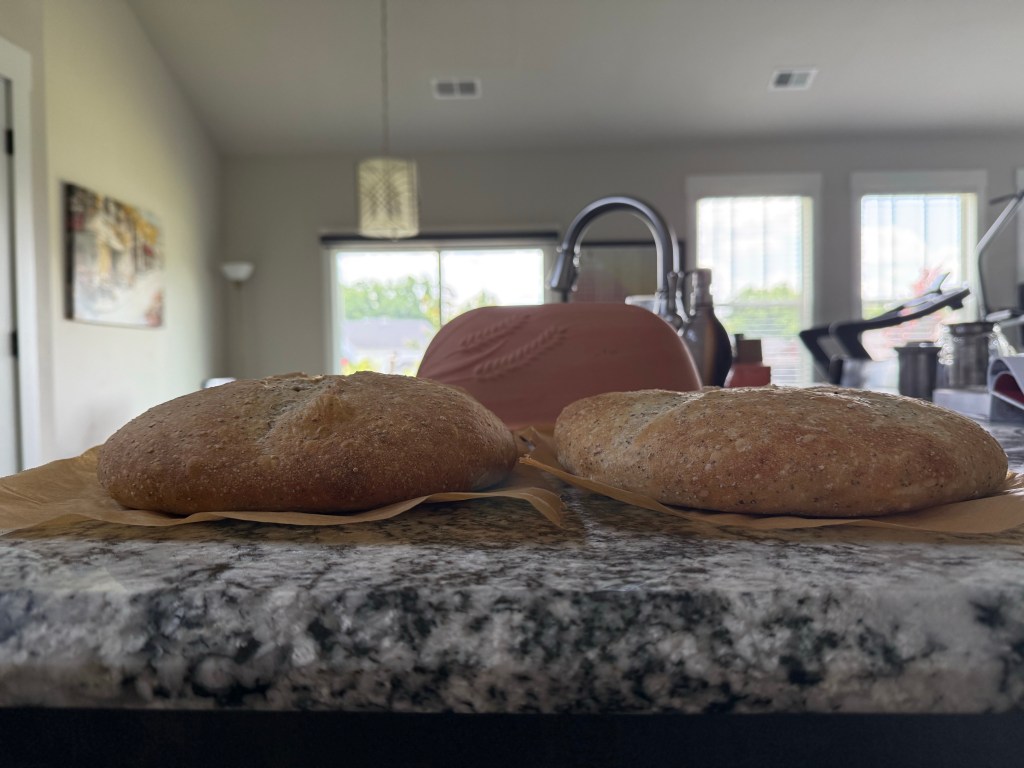
I removed the lid of the cloche after 15 minutes of baking and found that both loves had risen very little, and that the loaf inside the cloche seemed to have spread outward a little more, possibly because of the extra steam generated within the cloche chamber.

I finished the bake, but wasn’t very happy with these “long and short” loaves.

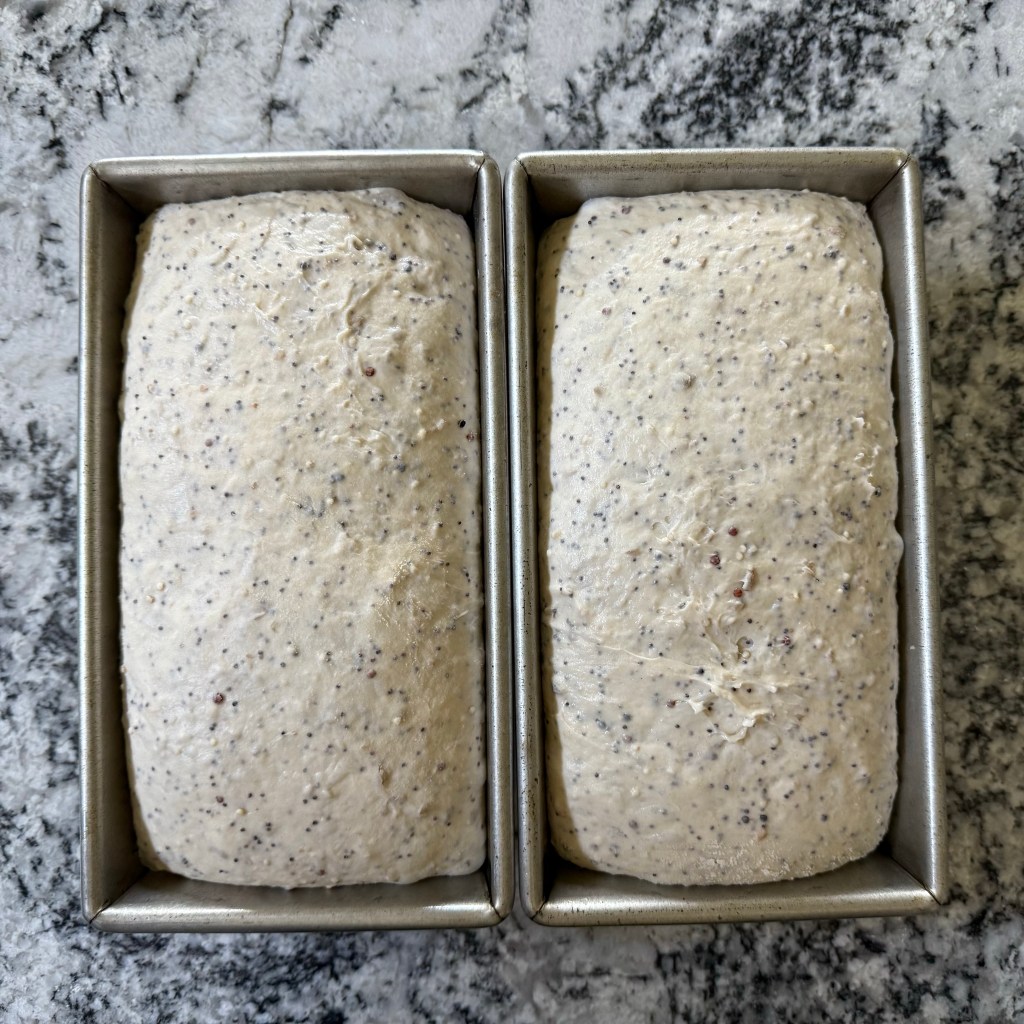
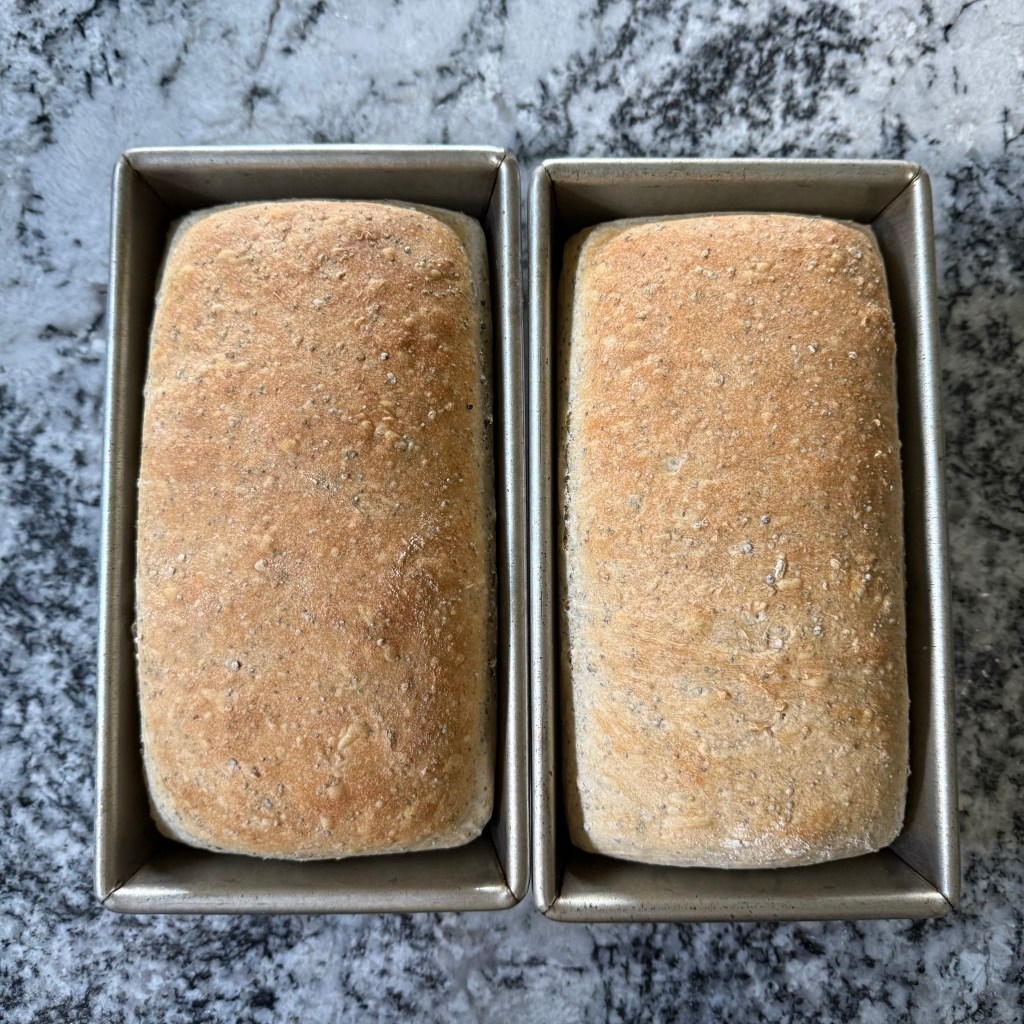
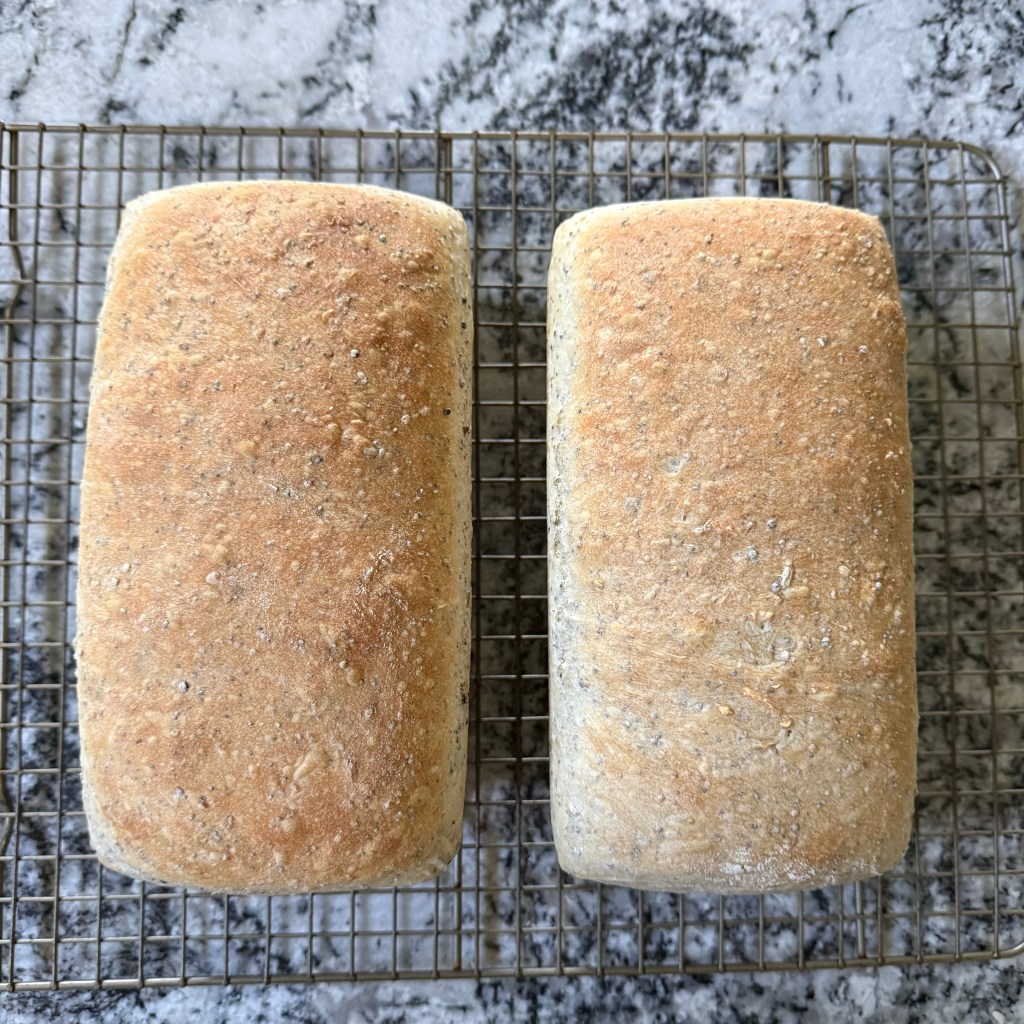
The bread tasted quite good, so I decided to try again, this time baking the bread in loaf pans.

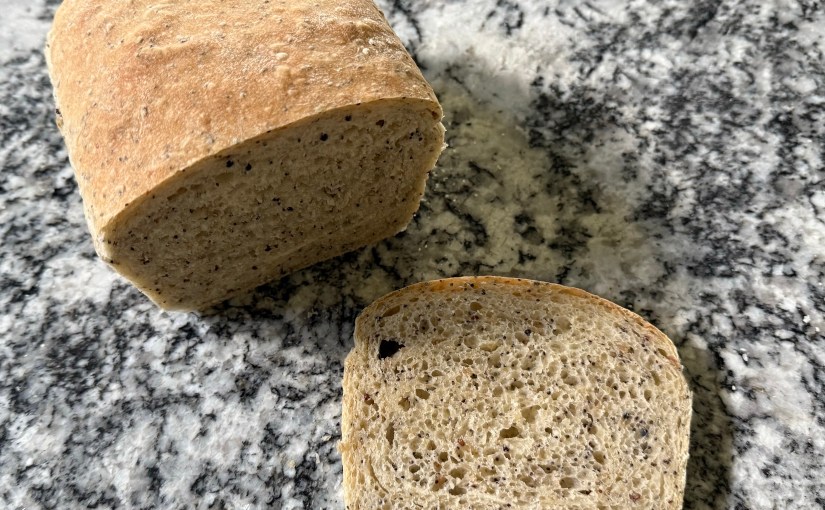
I am much happier with the bread in this shape, although I did still notice that the dough rose outward to fill the pan before it started climbing up, and I was a little disappointed that the oven spring was so little. This bread is quite tasty, and I can definitely see myself making it again.

Until the next time: may your yeast always rise and your flour never run out.