Why Store-Bought English Muffins Can’t Compete

As a kid I never really liked English Muffins. It turns out there’s a good reason for that: store-bought English Muffins are dry and don’t have much flavor (this is true of most commercially-available bread). It also turns out that homemade English Muffins are moist, tender, and full of flavor. The flavor is even better when sourdough starter is incorporated. Also, did you know that incorporating sourdough into your dough helps the finished bread keep longer on the counter without staling or molding?

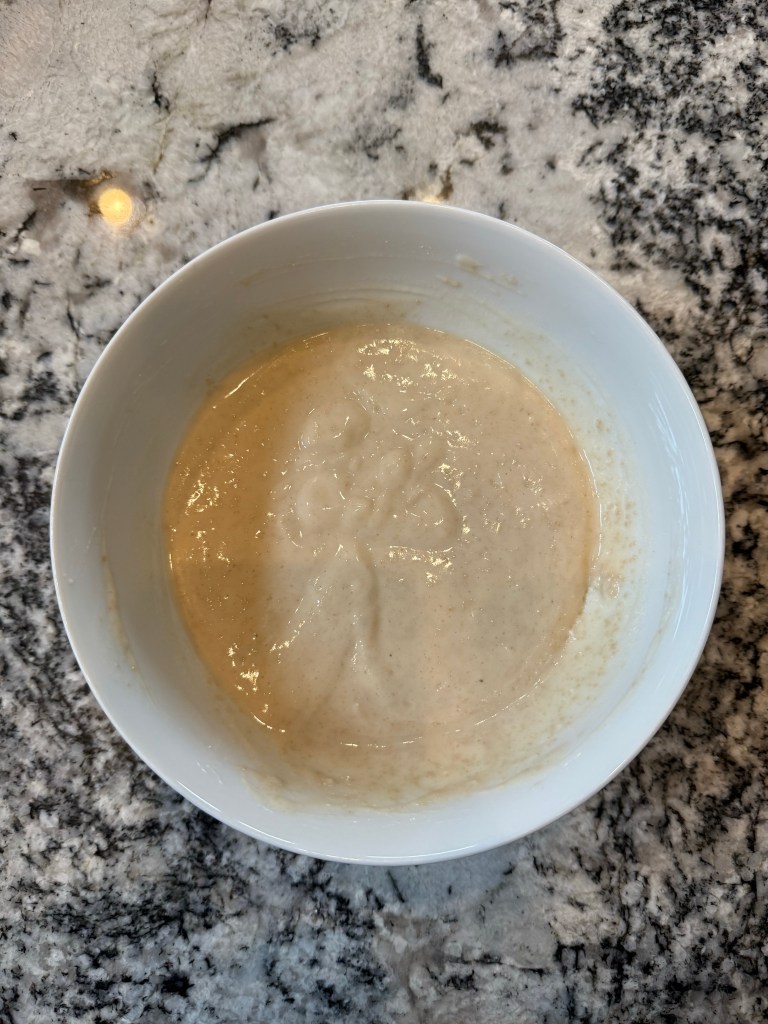
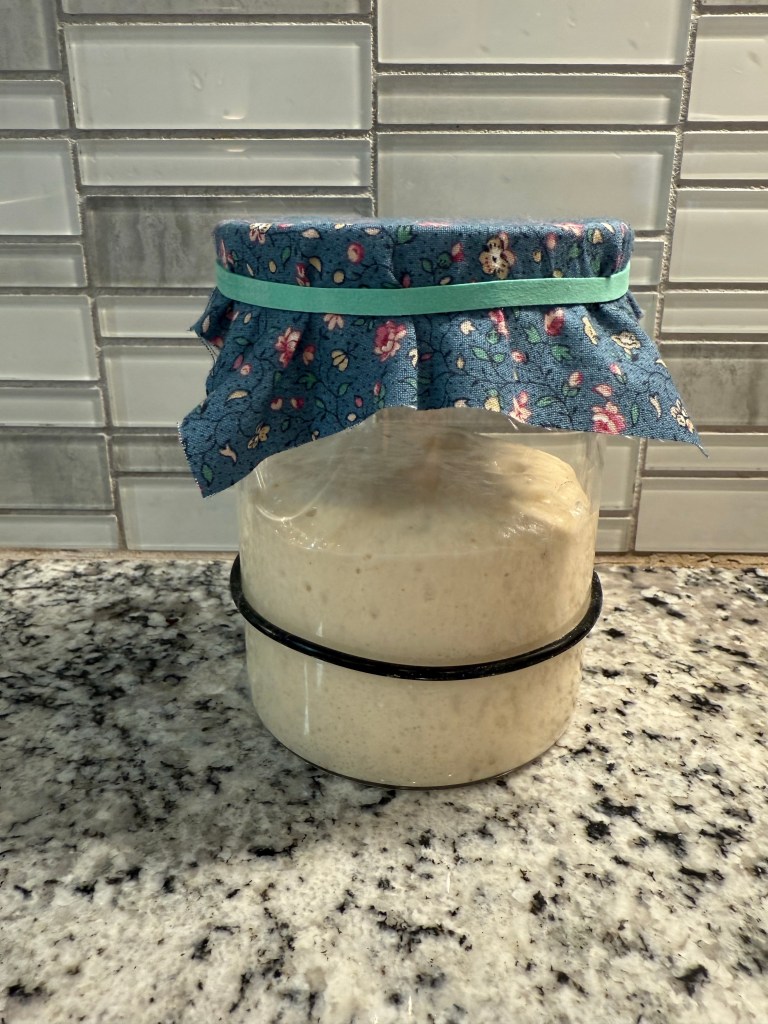
As with most Sourdough recipes, I started by feeding my starter the night before (I used my Alaska Frontier starter for this bake). In the morning the level of the starter had doubled.
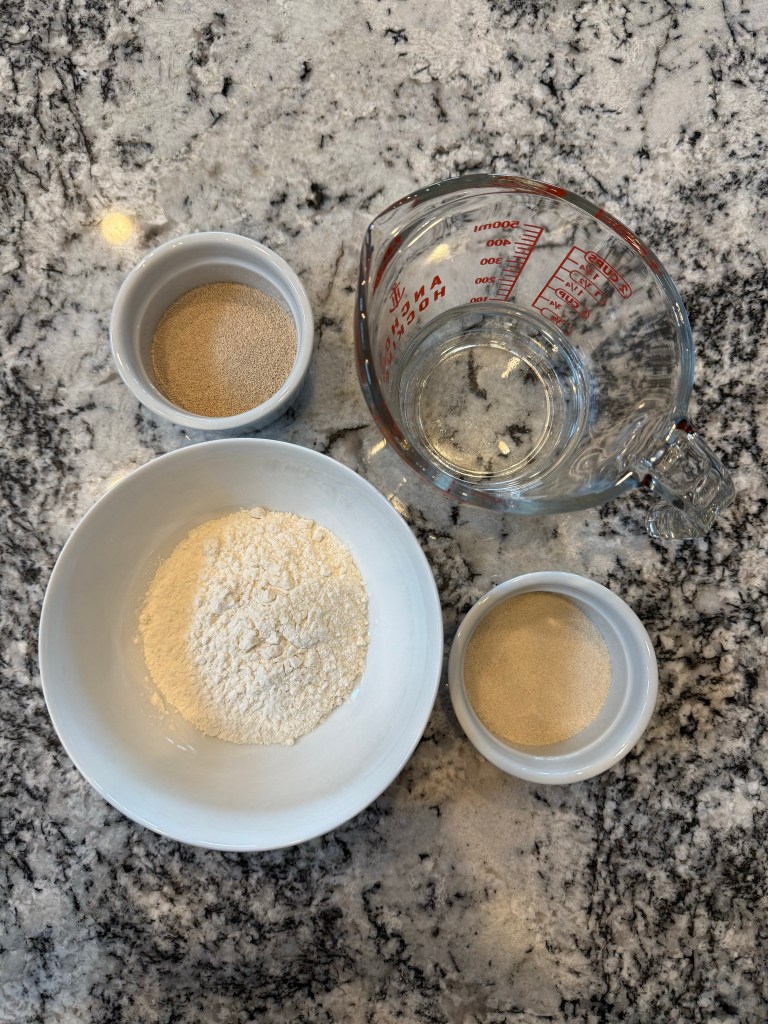
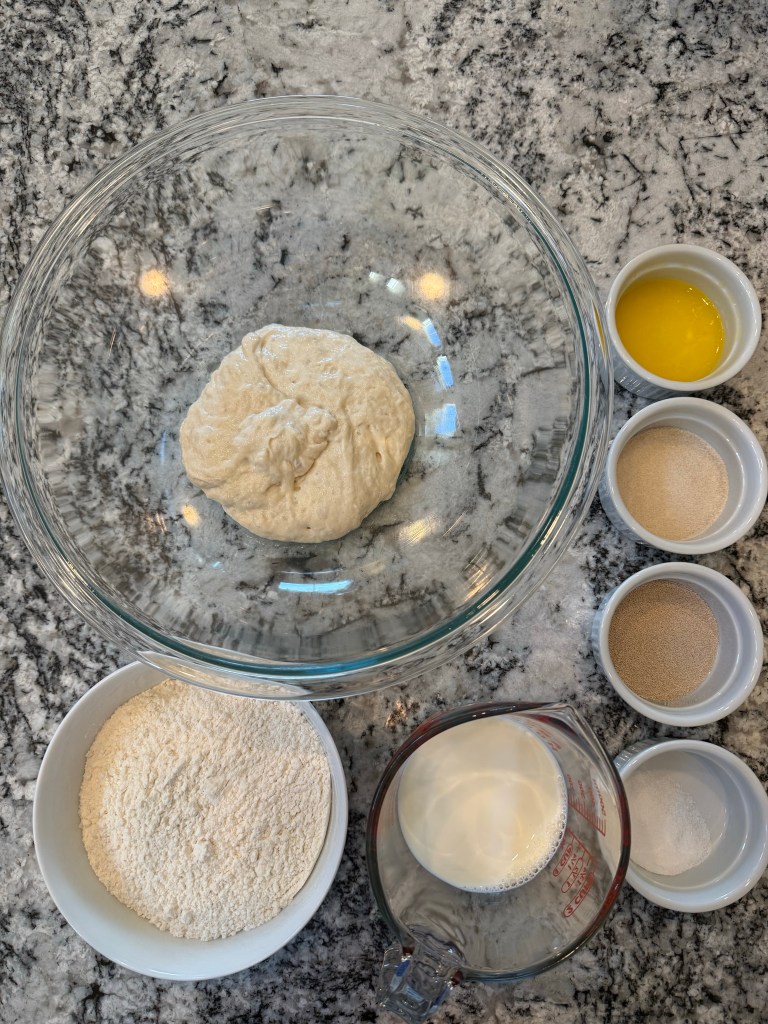
I gathered my mise en place:
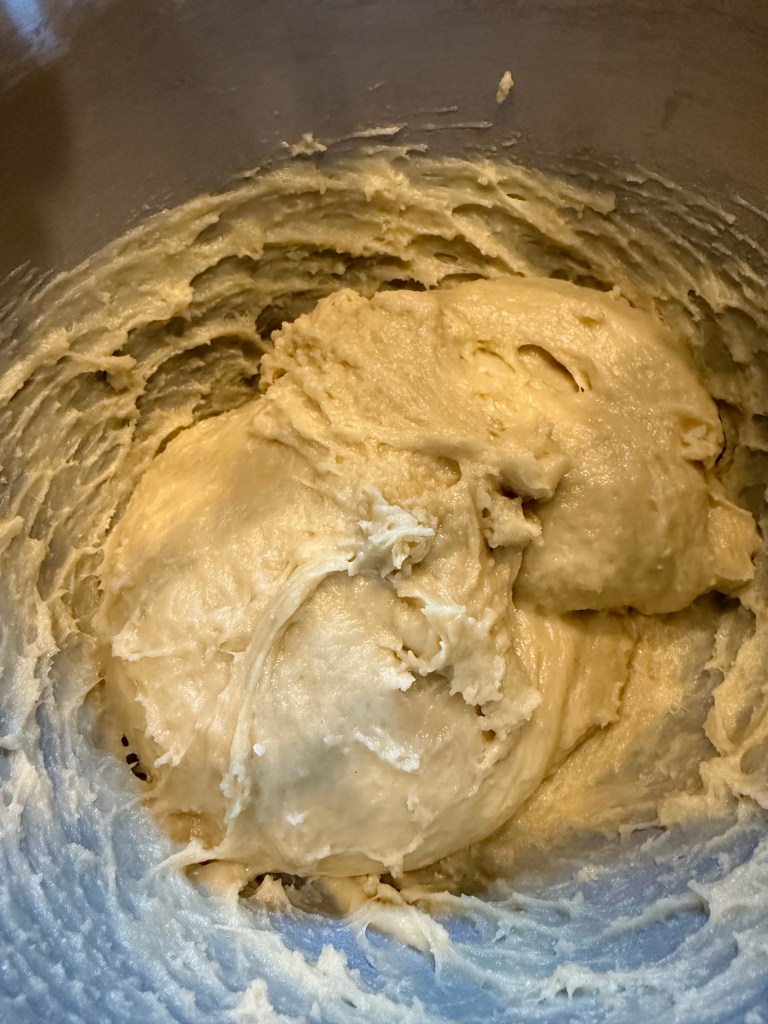
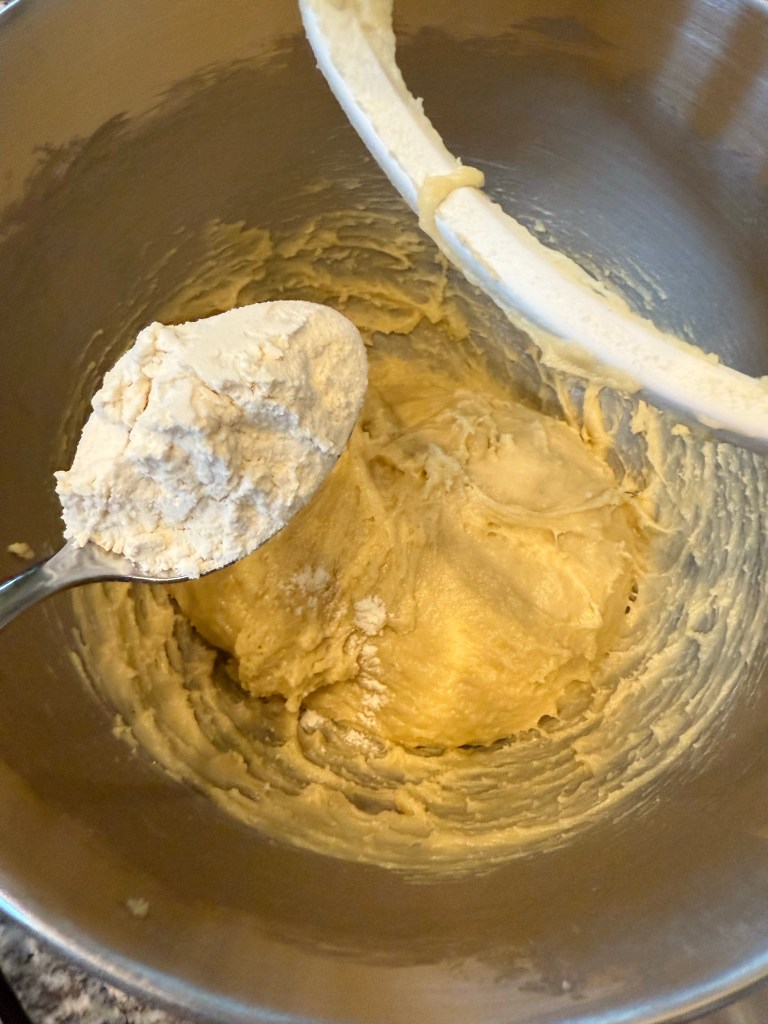
The mixing was very easy as I just combined all the ingredients and mixed by hand until everything was thoroughly incorporated.
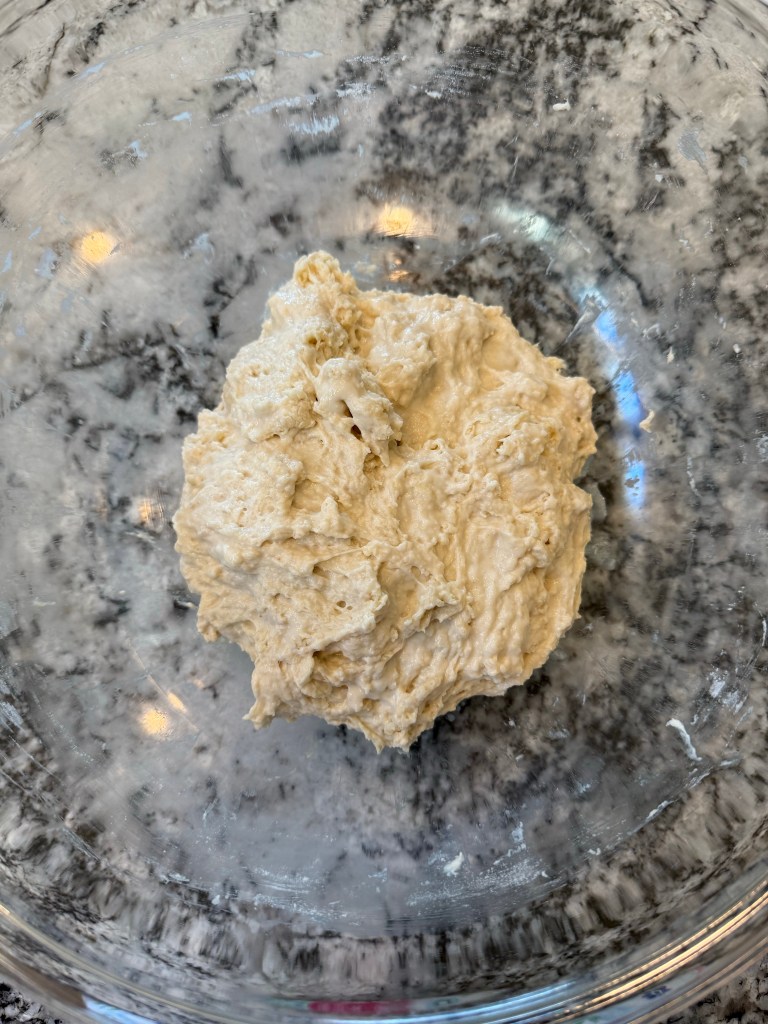
I let the dough rise for 1 hour.

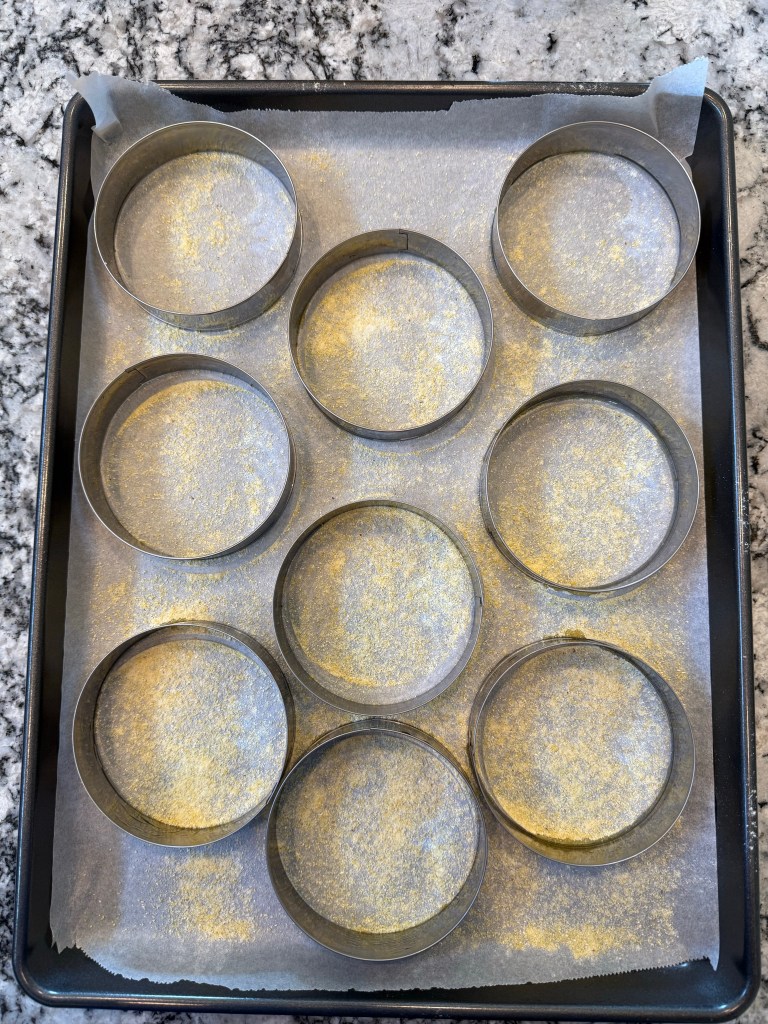
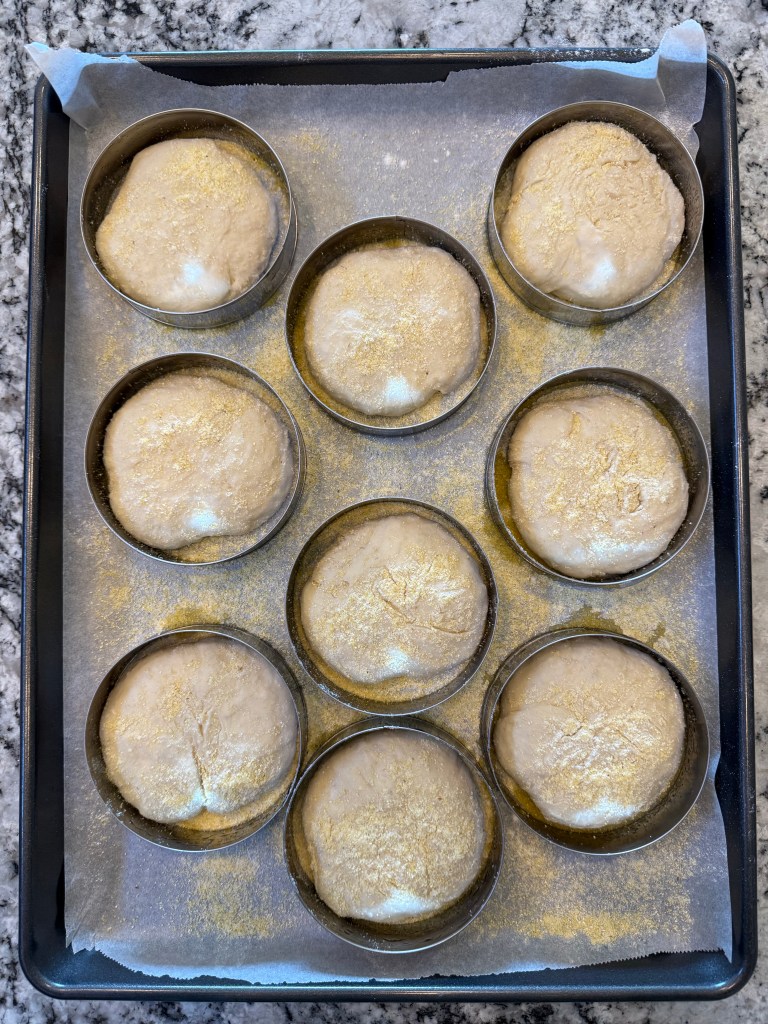
This next step is the part that separates English Muffins from a sandwich loaf. I greased 9 English Muffin rings and sprinkled cornmeal on a baking sheet.
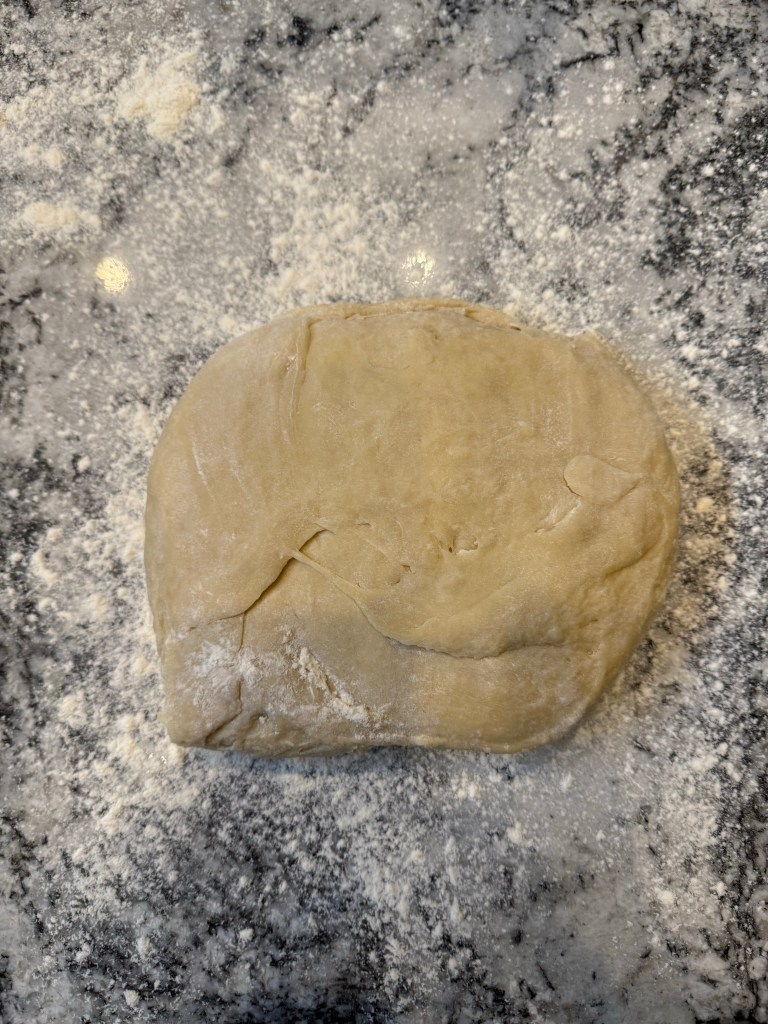
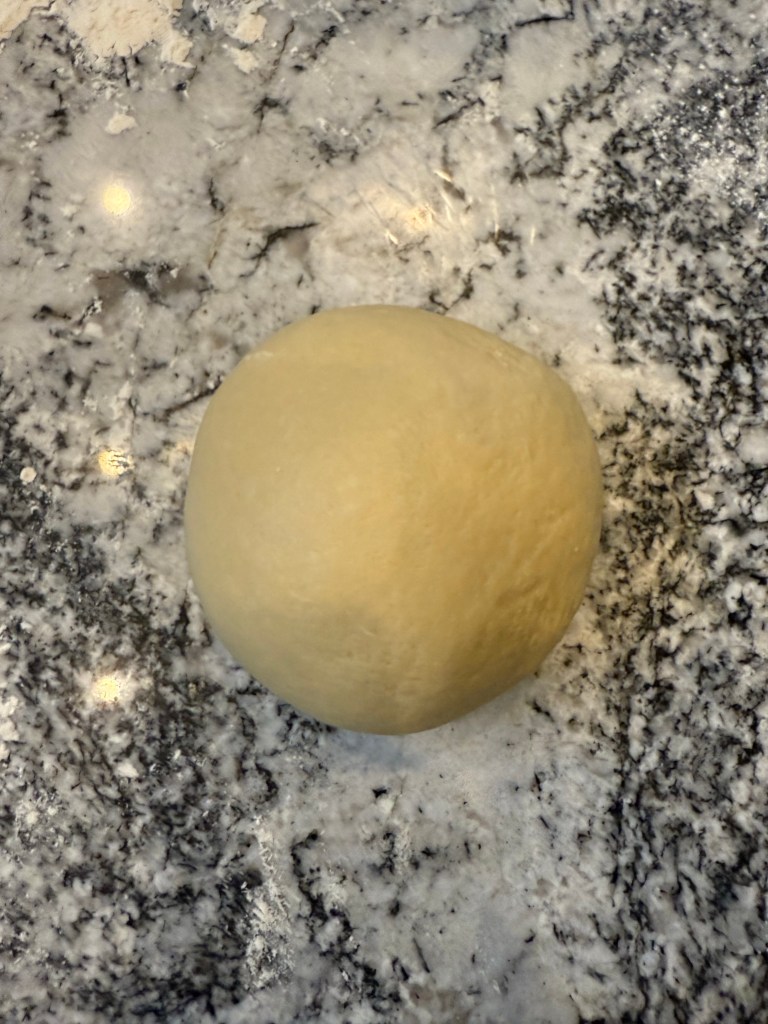
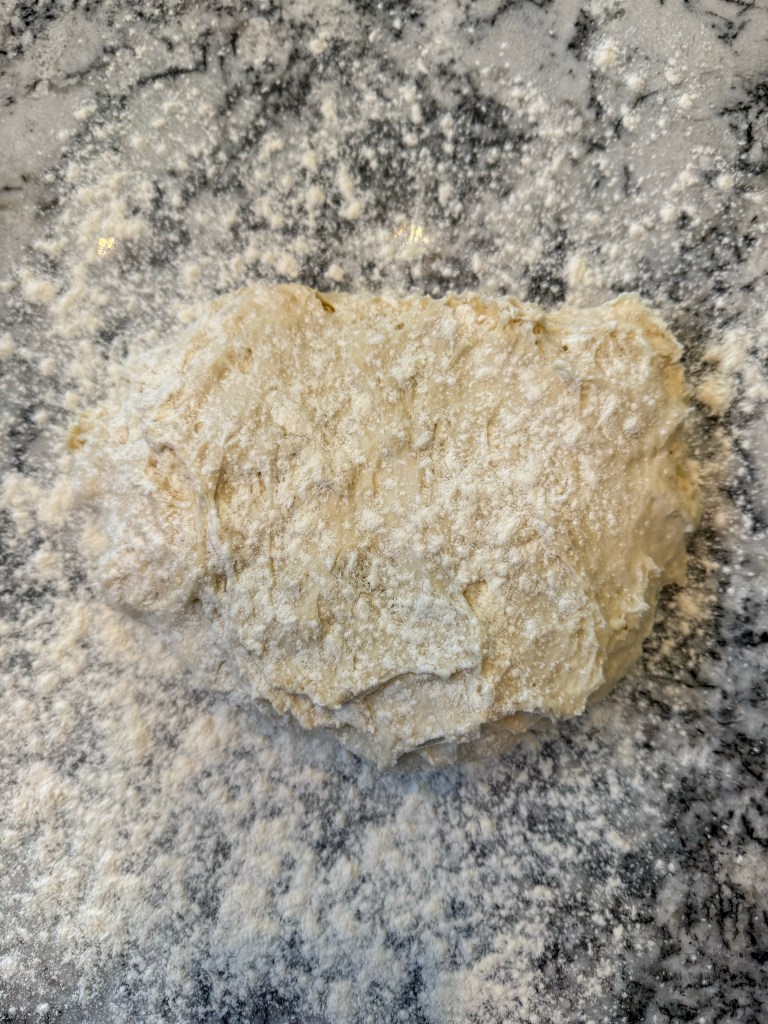
Then I turned the dough out onto a floured counter and divided it into 9 pieces.
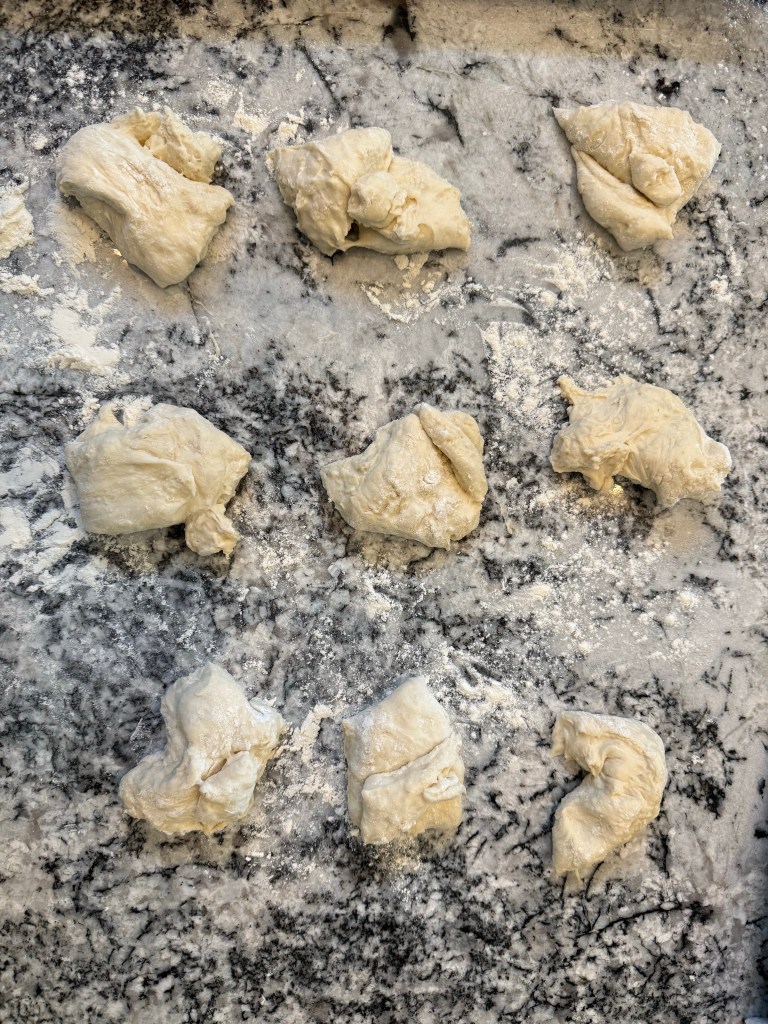
I rolled each piece into a flattened round, placed each piece into a ring, sprinkled them all with cornmeal, and let them rise for another hour. After an hour they had expanded significantly, but weren’t fully filling the rings.
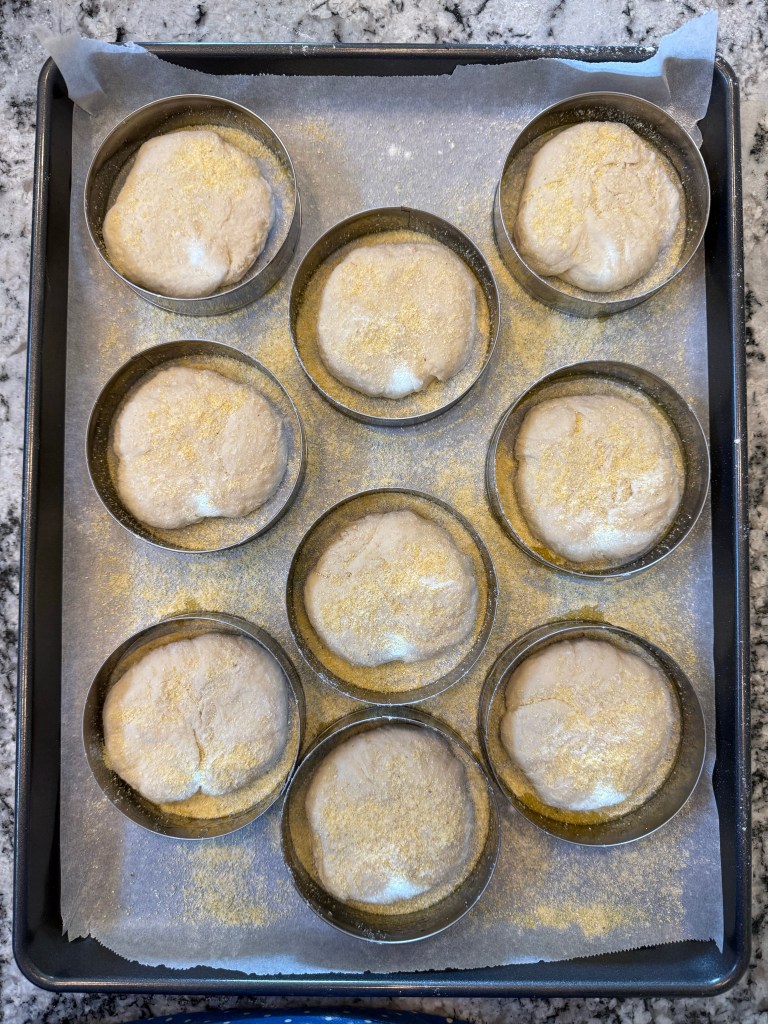
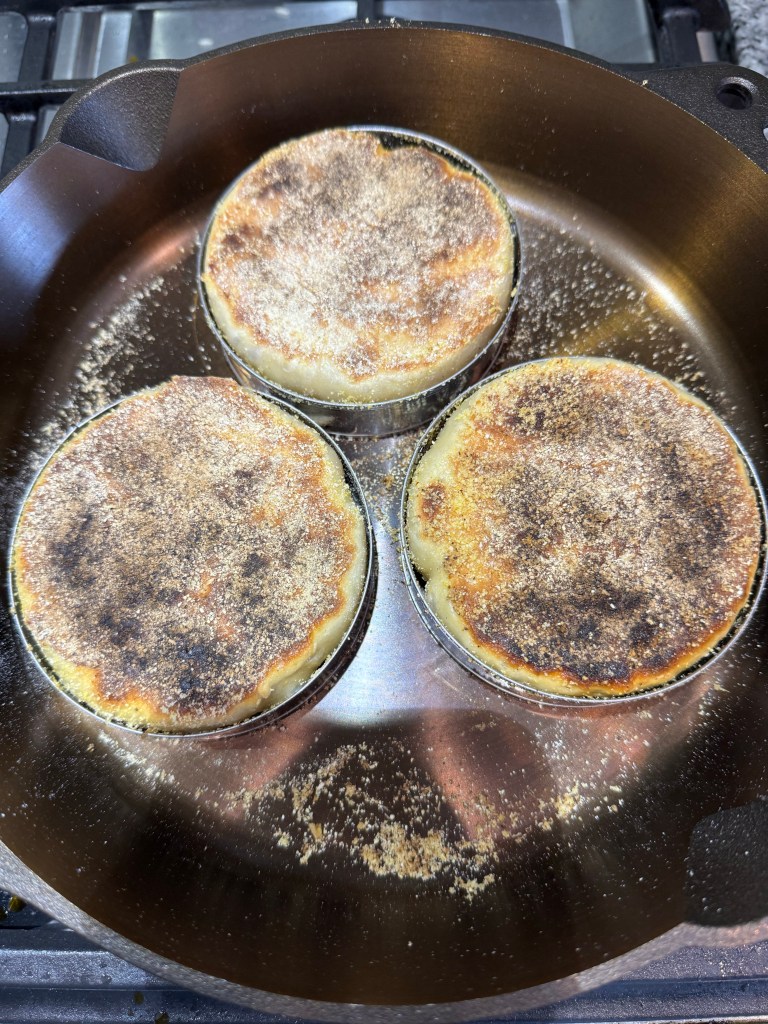
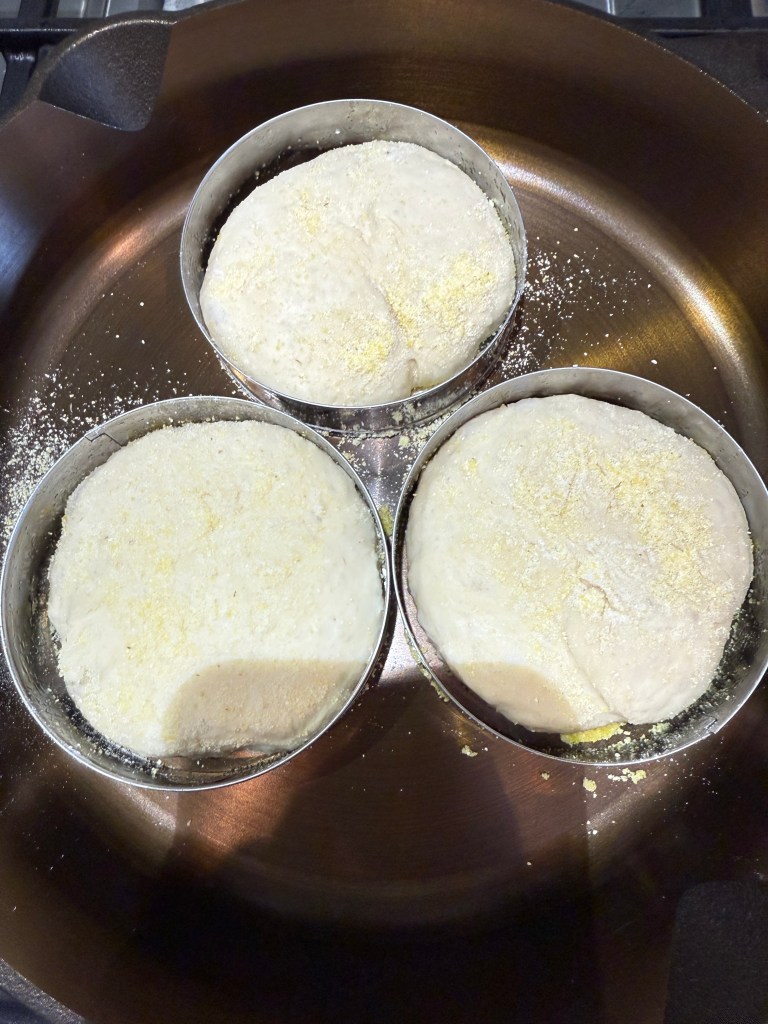
The King Arthur Baking School book instructs one to cook the English Muffins on a griddle. I don’t have a griddle, so I used a cast iron pan at the lowest heat on my stove. The dough expanded significantly and filled the rings after being placed in the hot pan.
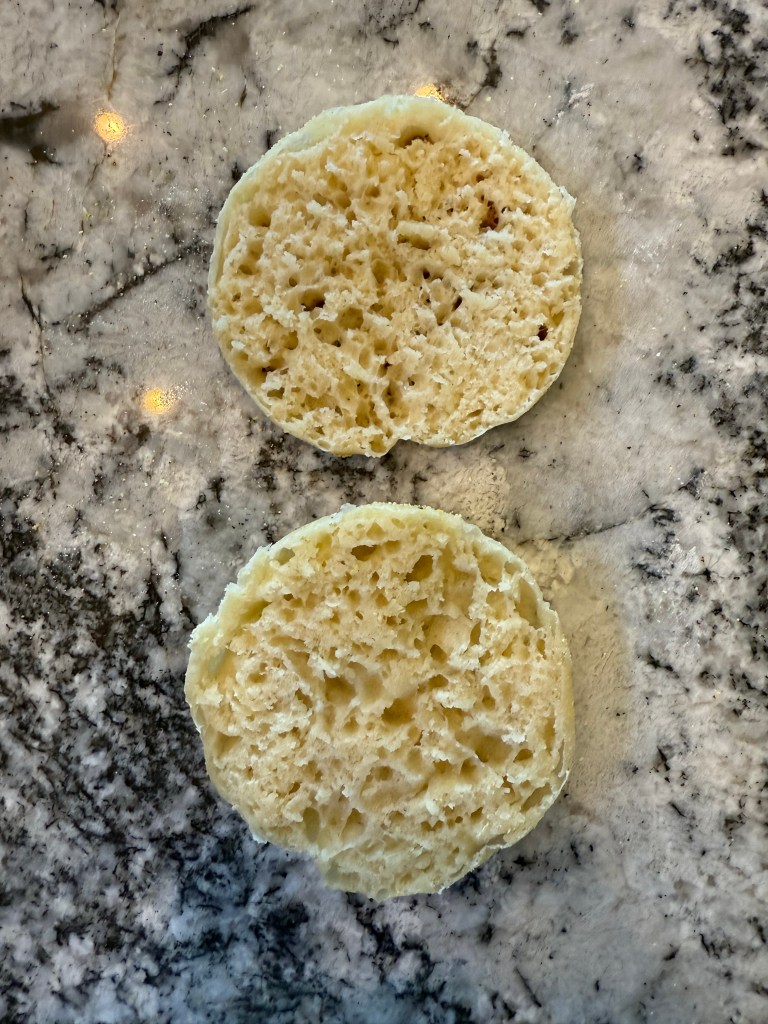
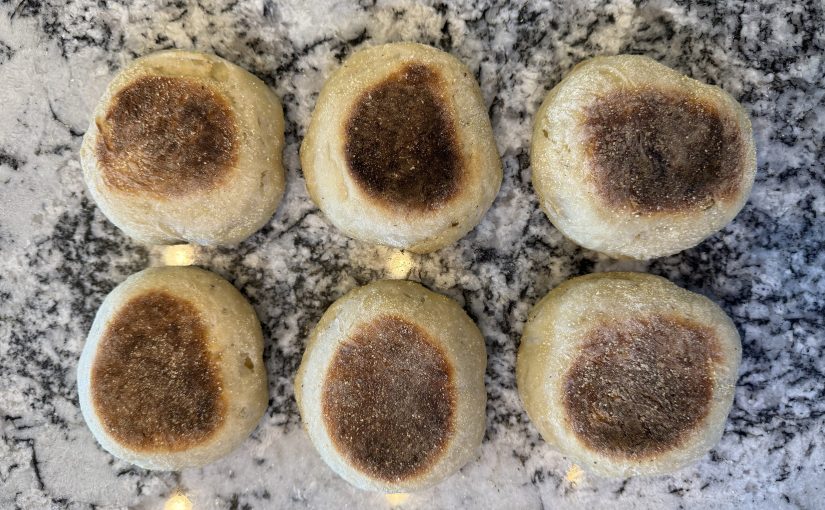
They turned out tender and full of flavor and with the lovely interior holes that are so indicative of a good English Muffin.
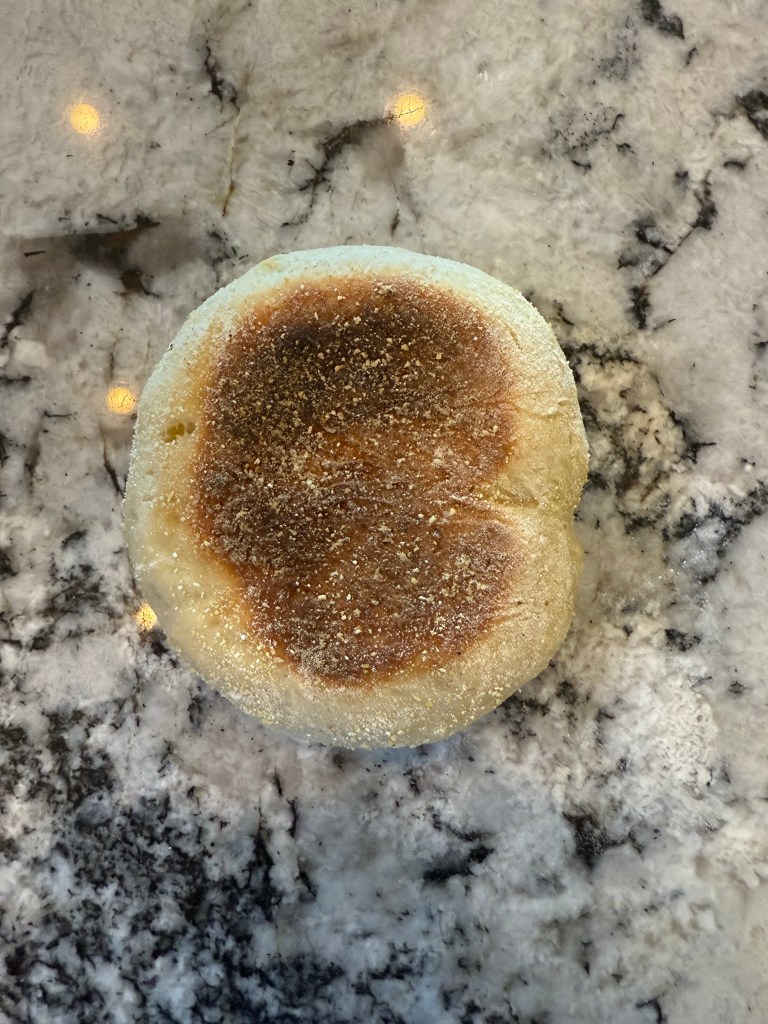
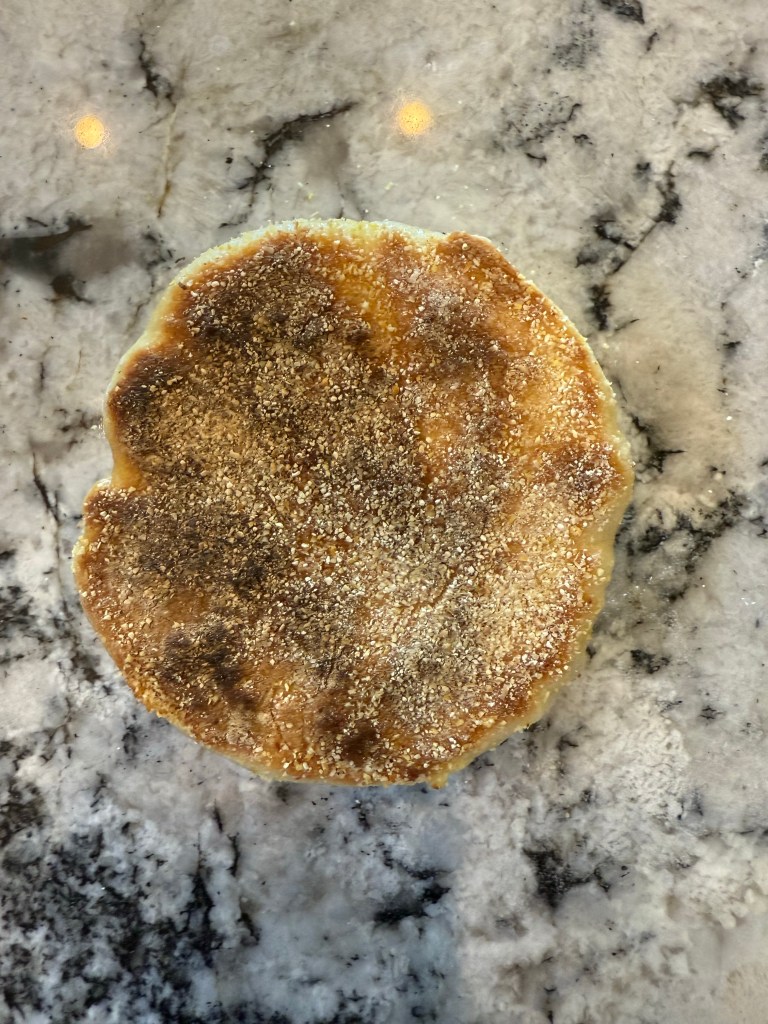
I’m not very practiced at baking bread in a pan, so some of my muffins got a little charred. I think next time I make these I will bake them on the baking stone in the oven for a more even bake.
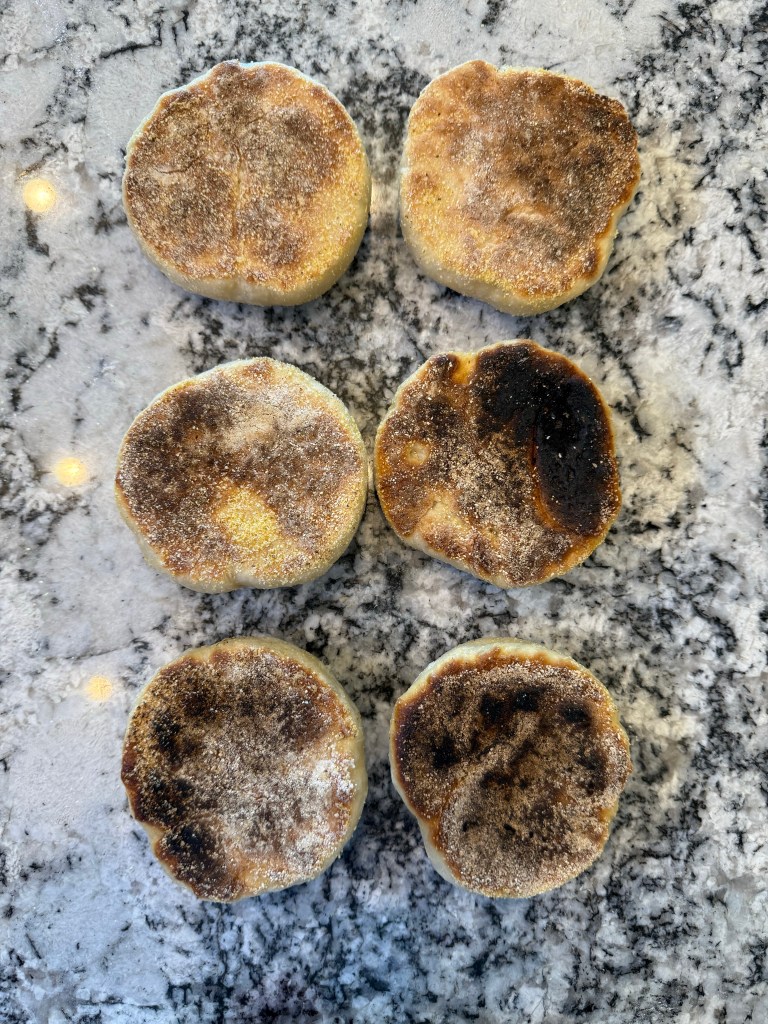
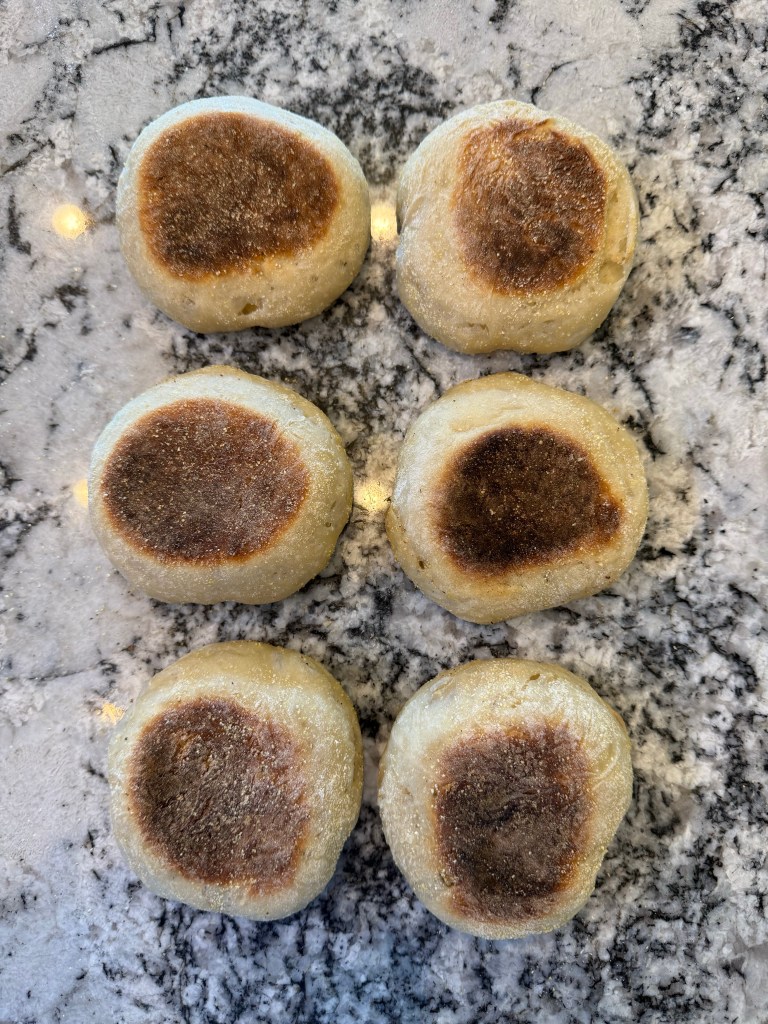
You’re supposed to let these cool briefly before eating, but we couldn’t help eating them straight out of the pan. These English Muffins make a next-level Bacon, Egg, and Cheese breakfast sandwich. They’re also fantastic with butter and jam.
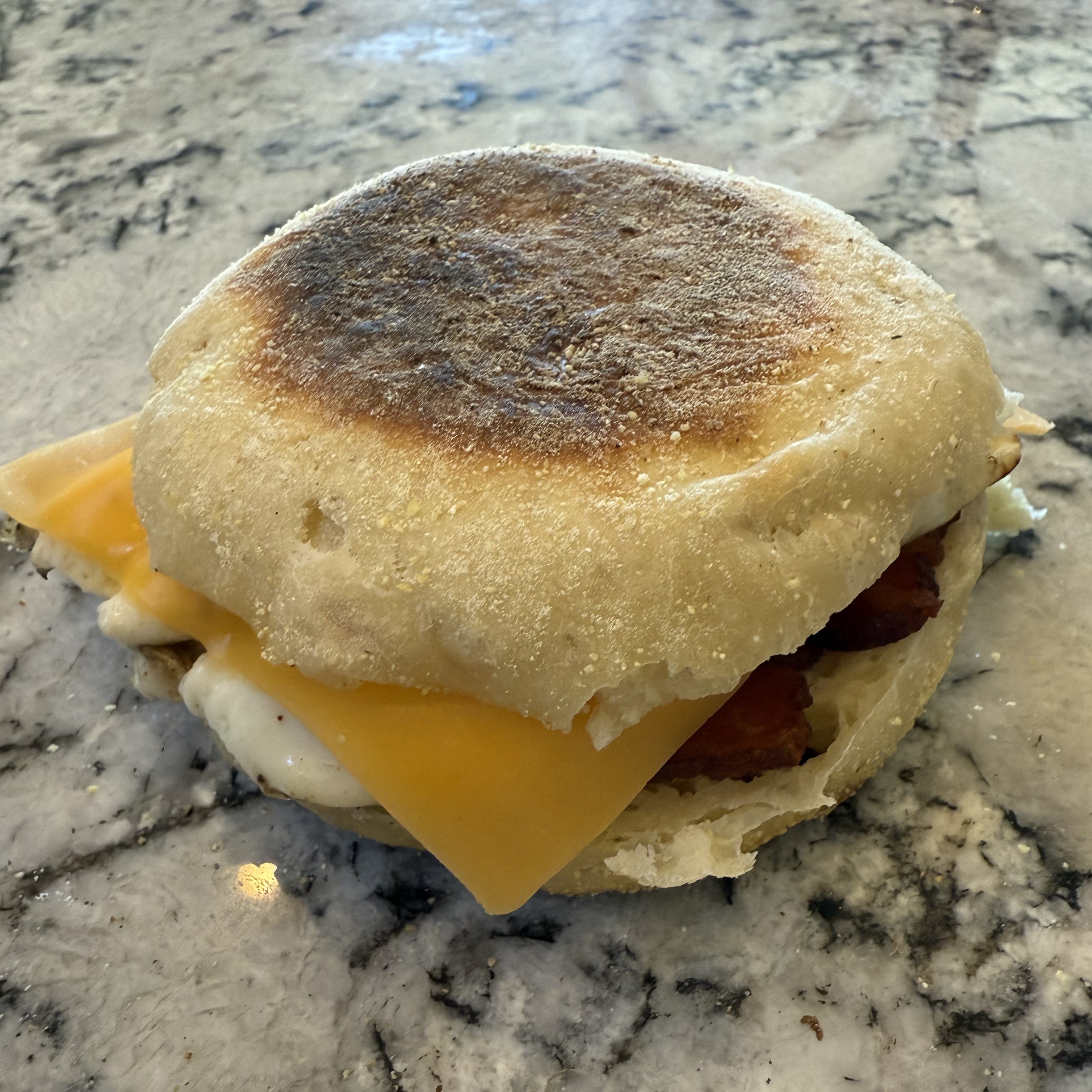
Until the next time: may your yeast always rise and your flour never run out.
Transform Your Sourdough Discard into Waffles

For these waffles I used a new (to me) starter that I bought in Seattle. The starter is from Alaska, and I like to imagine a gold-miner carefully tending to his starter while hoping to strike it rich in the Yukon. Although, I doubt he used his starter to make waffles. As usual, the recipe is from the King Arthur Baking School book.

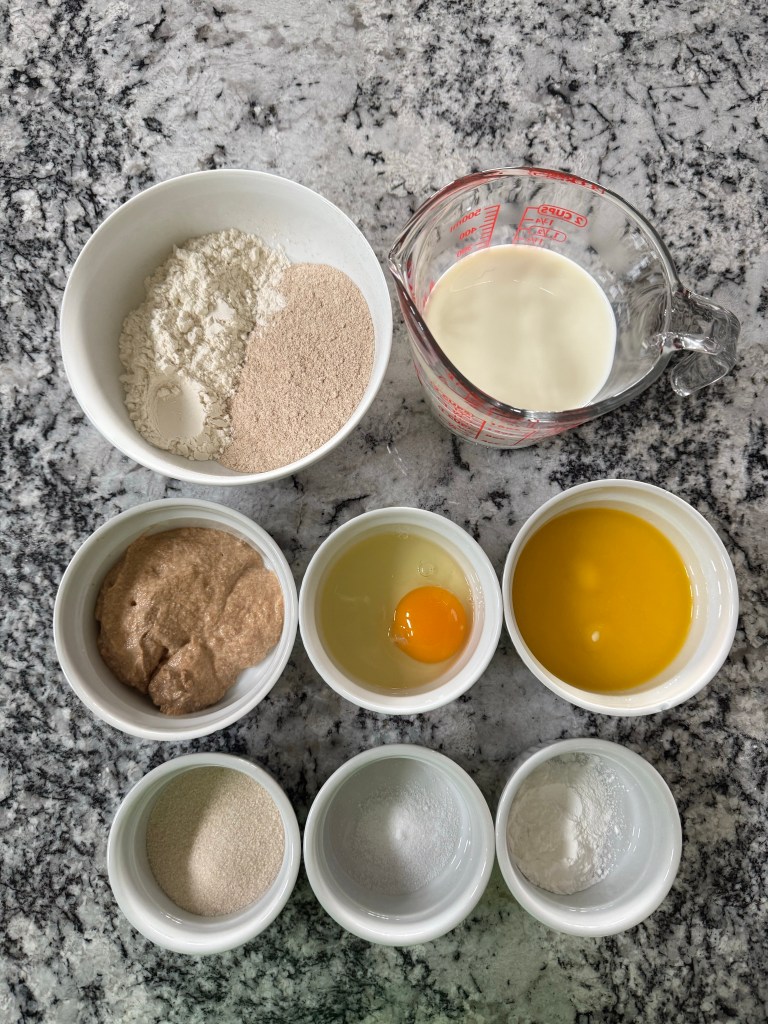
I gathered my mise en place. The recipe calls for all the flour in the recipe to be whole wheat, but relies on a starter fed with all purpose flour. I prefer to feed my starter with whole wheat flour, so to keep the ratio of flour types consistent I replaced 50g of the whole wheat flour in the recipe with all purpose flour.

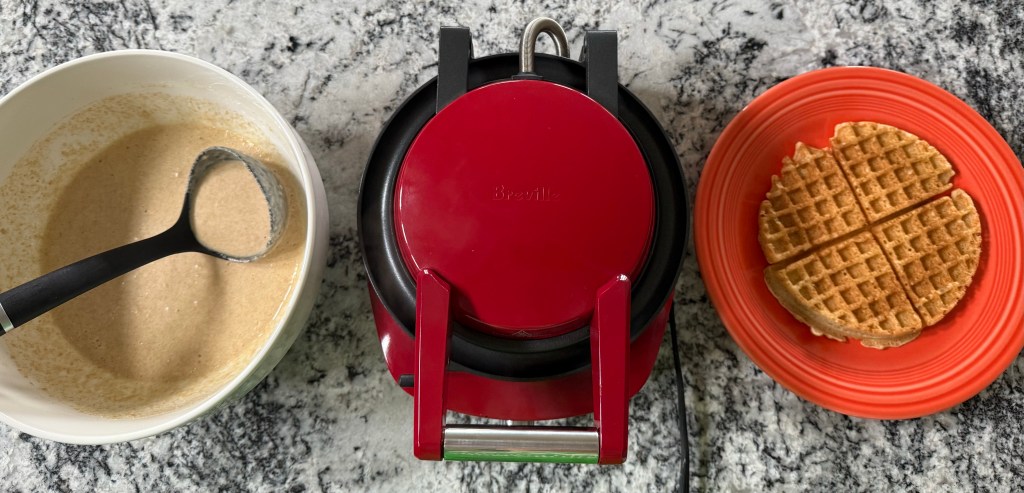
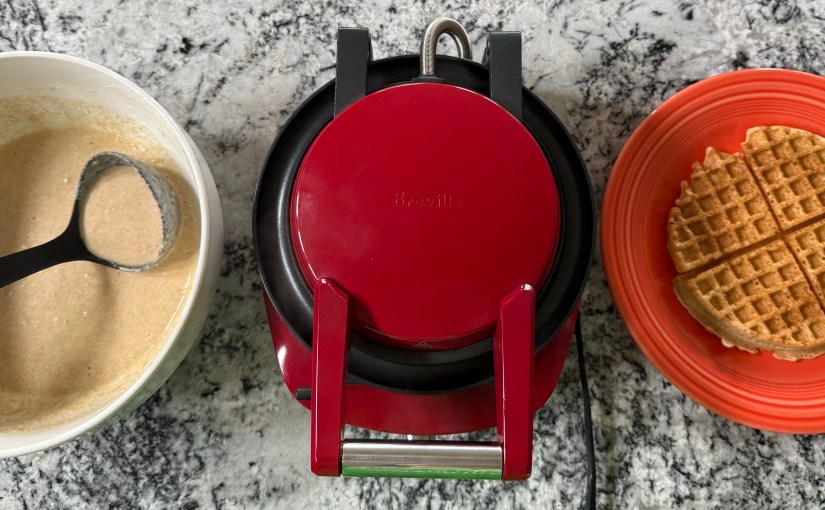
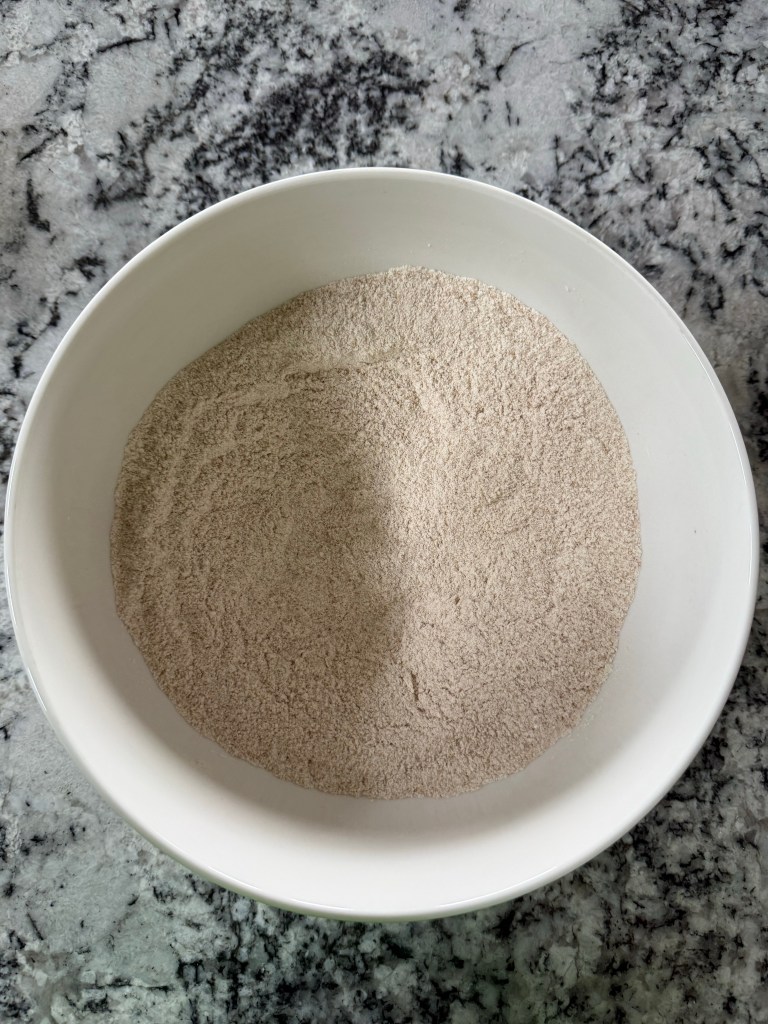
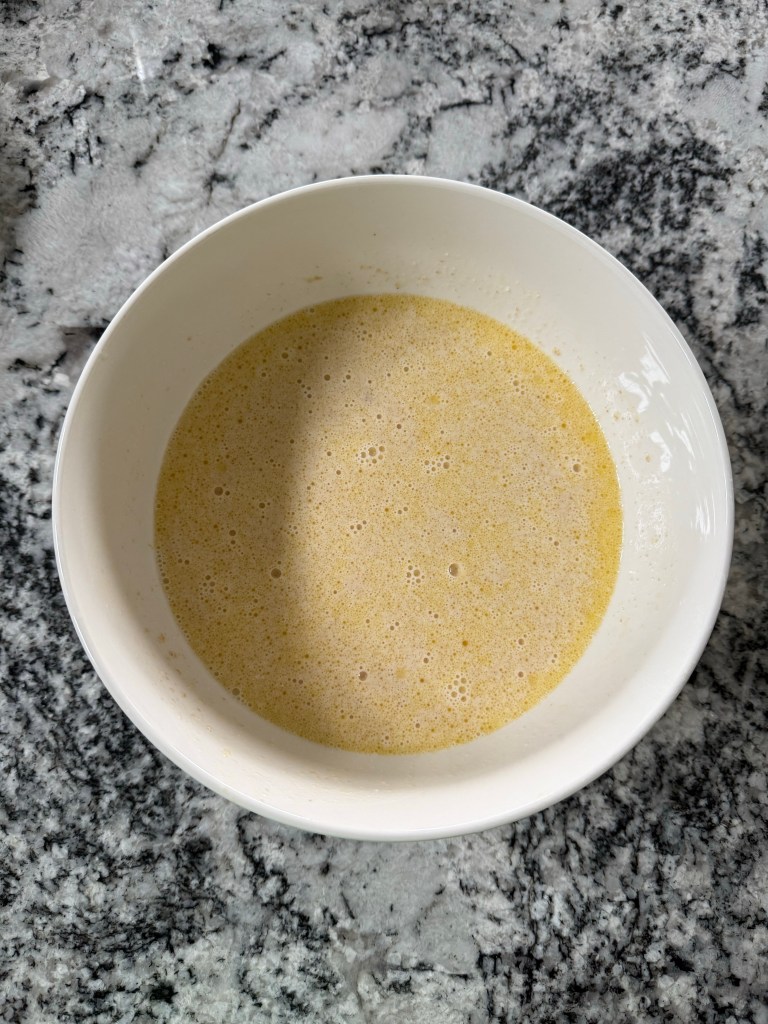
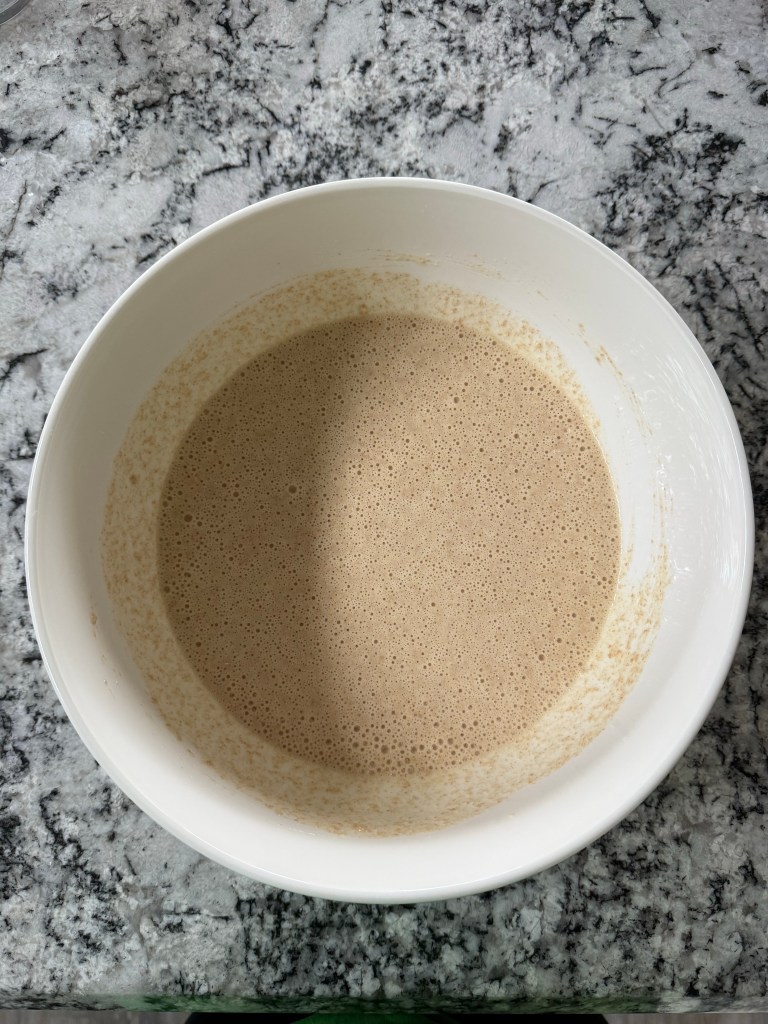
I combined the dry ingredients, whisked together the wet ingredients (including the starter), and then mixed them all together.

I heated up my waffle iron and started cooking waffles. As an aside, are waffles baked or fried?

These waffles have a fantastic texture! They are quite crispy on the outside while still having a tender chew. There is a hint of sour flavor, but the tanginess is not overwhelming. I recommend brushing the waffles with butter, drizzling with maple syrup, and sprinkling with salt before devouring them. They are delicious.

Until the next time: may your yeast always rise and your flour never run out.
From Starter to Snack: Easy Sourdough Crackers

The second section of the King Arthur Baking School book is all about Sourdough baking, and I am so here for it! I have been baking with sourdough for quite a few years, so I have some OPINIONS on how things should be done, but I am trying to keep an open mind – who knows, I might just learn something new!

I started my sourdough culture back in the summer of 2019. I had bought Tartine Bread by Chad Robertson, and I was bought in to the idea of a sourdough lifestyle. My starter took close to a month to be fully established, rather than the 1-2 weeks you see in most books and online resources, and once she was established she was not very robust. I named her Constance in hopes that she would mimic her name. Later that year my husband and I went on a road trip across the country to visit family in Arizona and California, and I decided to bring Constance along. I set her out in a rainstorm to get some Arizona rainwater, and baked with her in California to get some California flour into her. When I brought her home, she was true to her name. She’s been strong and resilient since that trip. I adore baking with her.

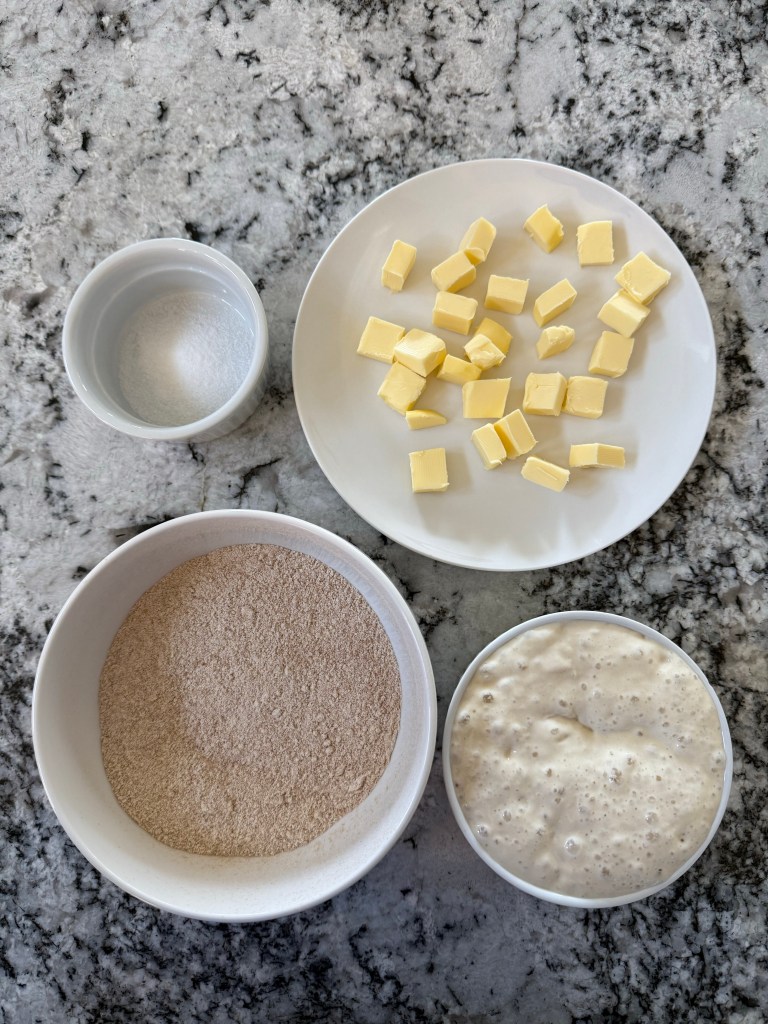
The first recipe in this section is sourdough crackers. I gathered my mise en place:

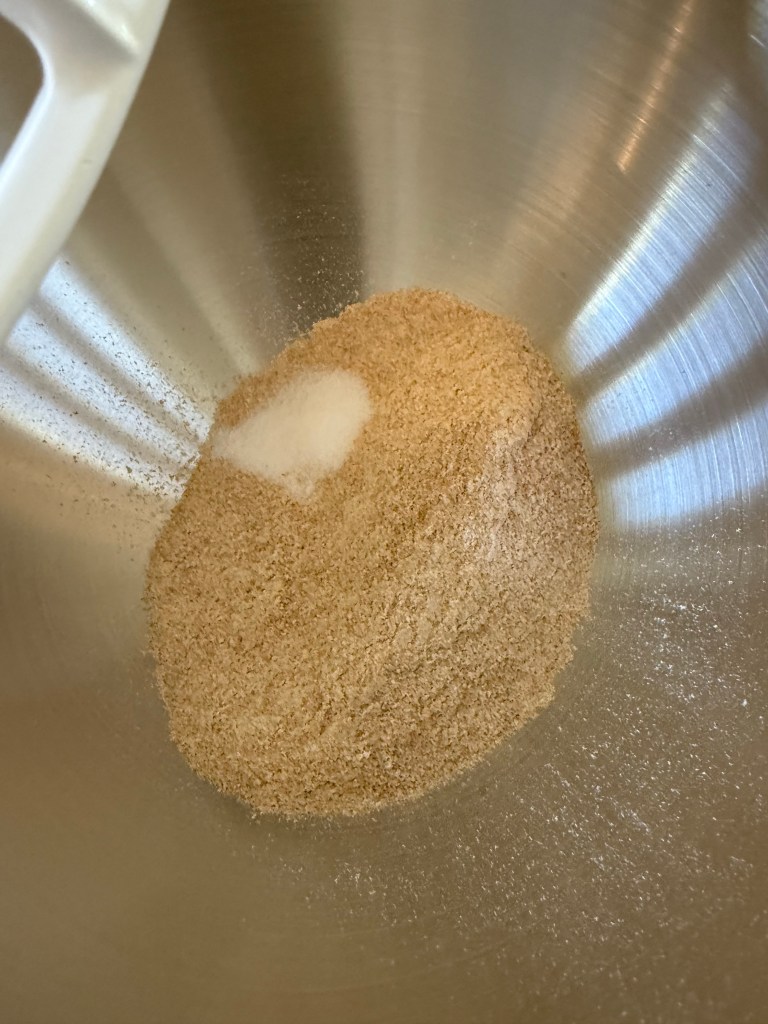
First I combined the flour and salt,

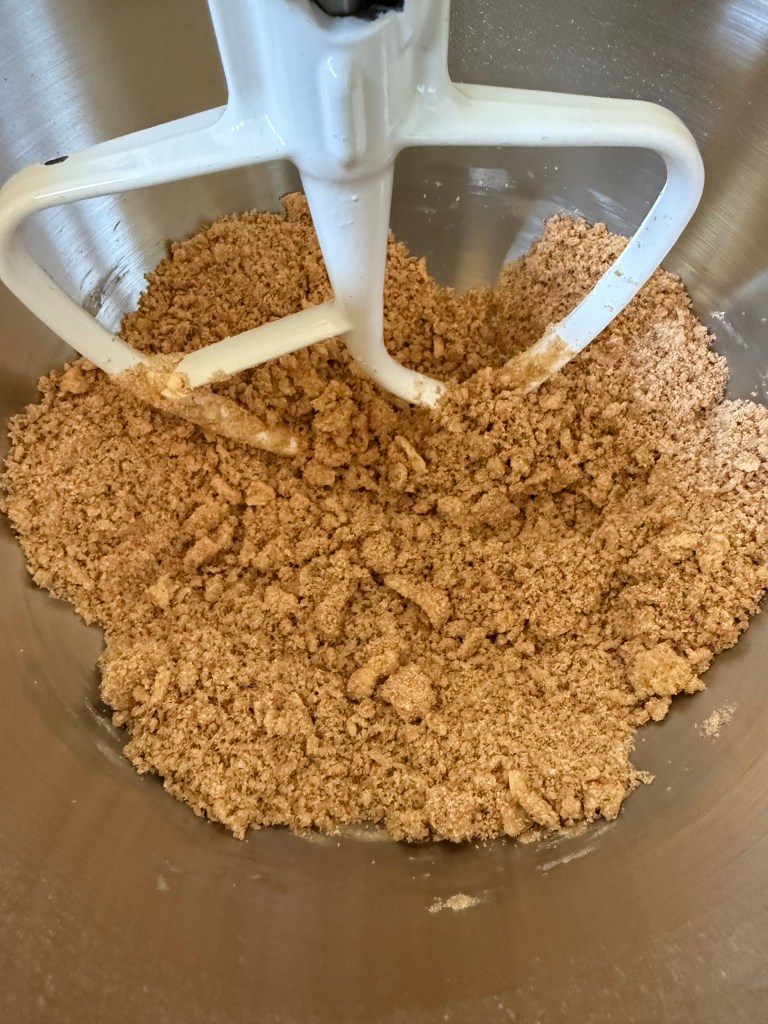
then I added the butter and beat it all until sandy,

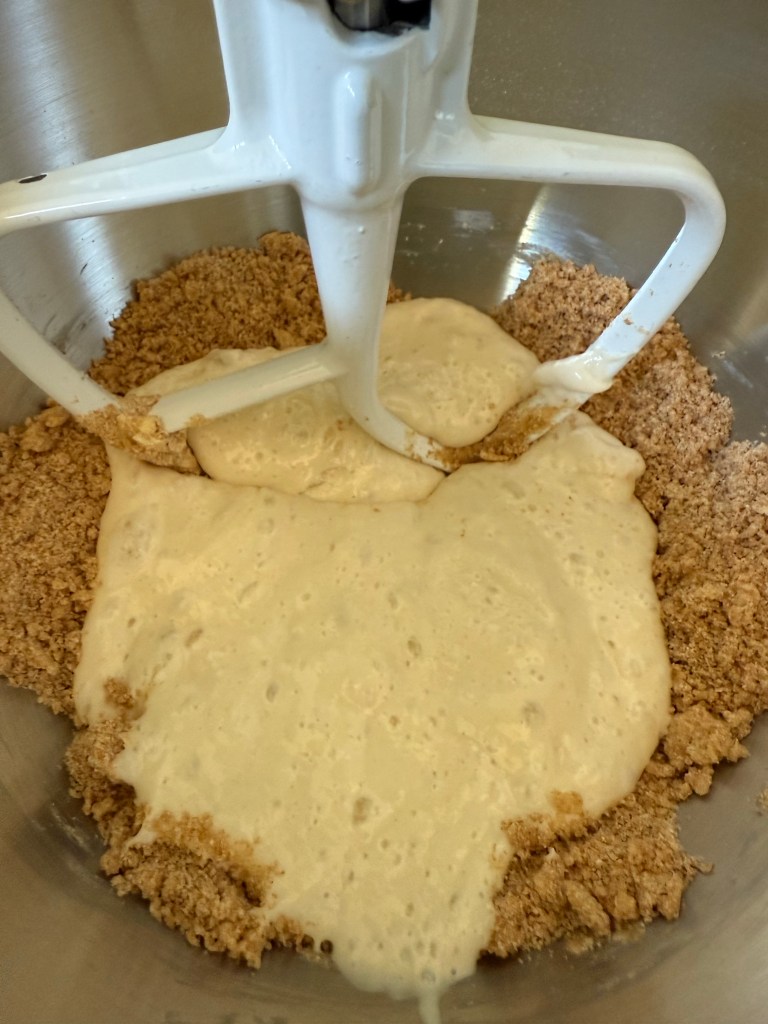
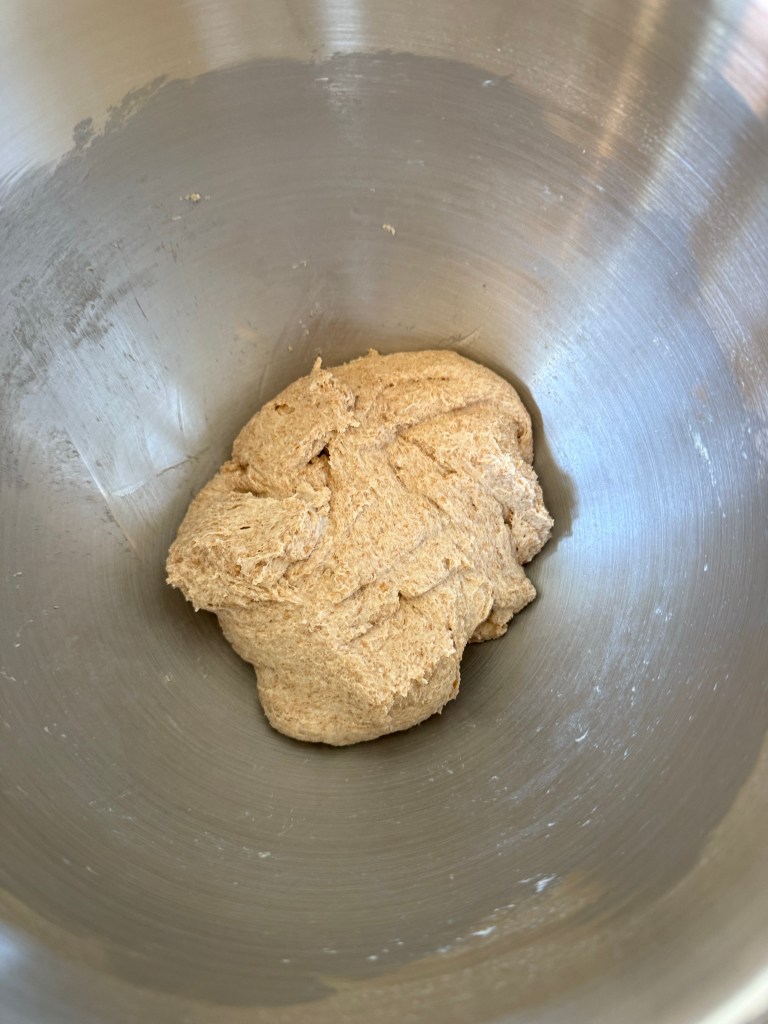
and finally I added the starter and mixed until the dough was fully hydrated and smooth.

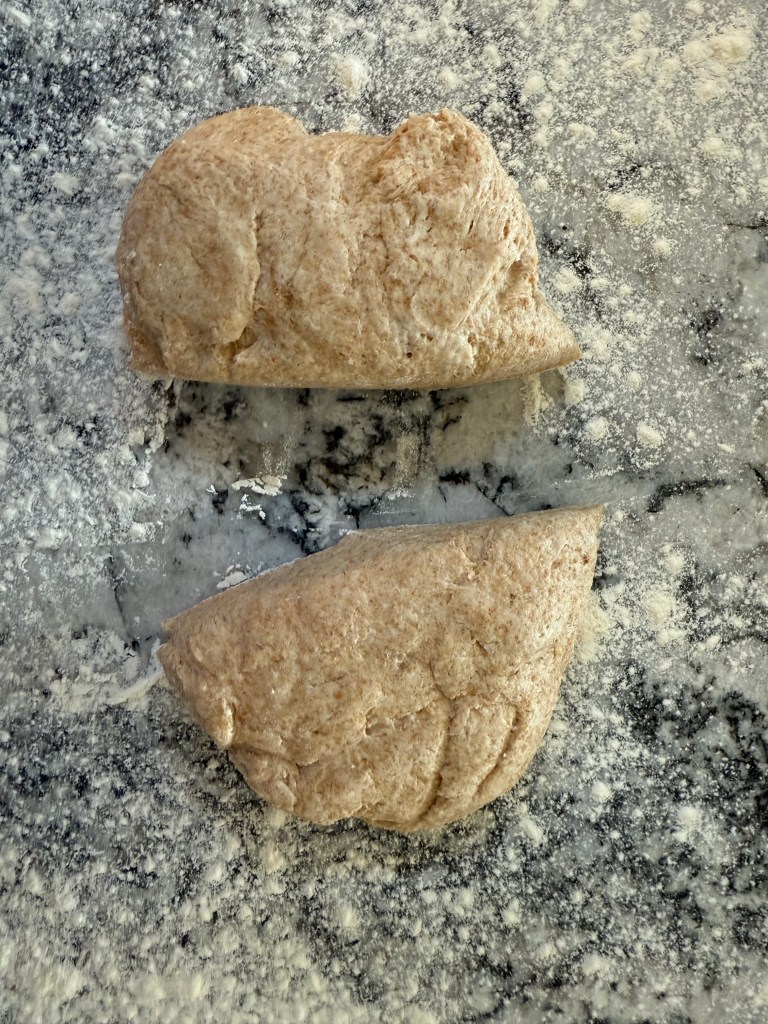
I let the dough rest for 15 minutes, then divided it in half.

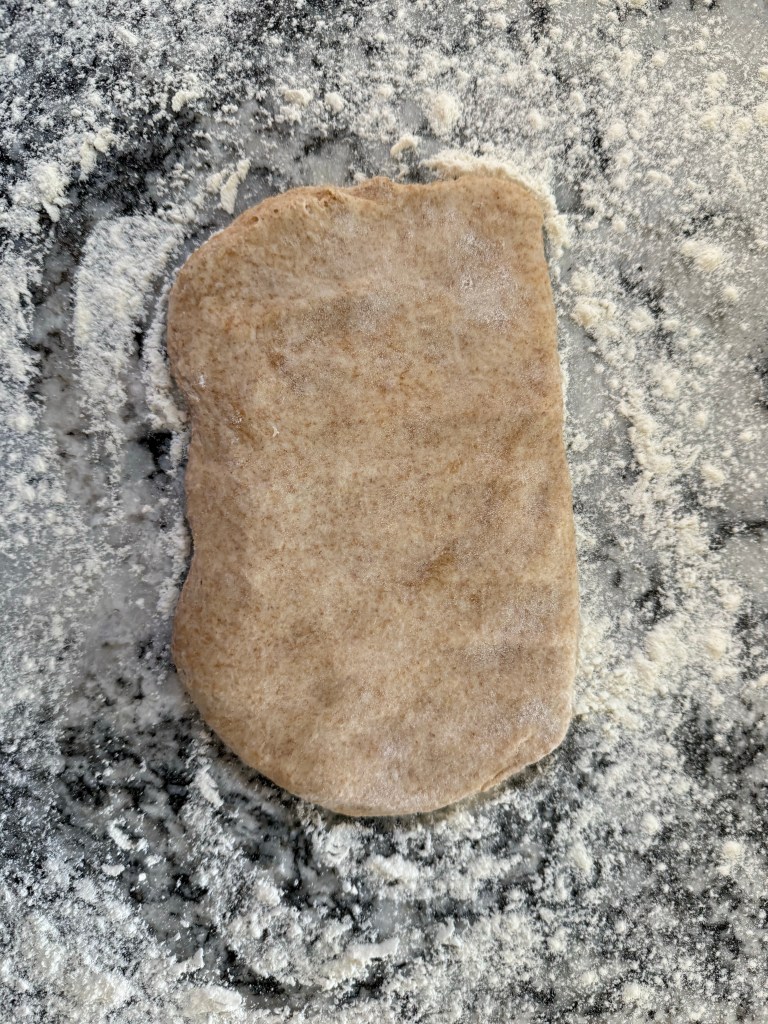
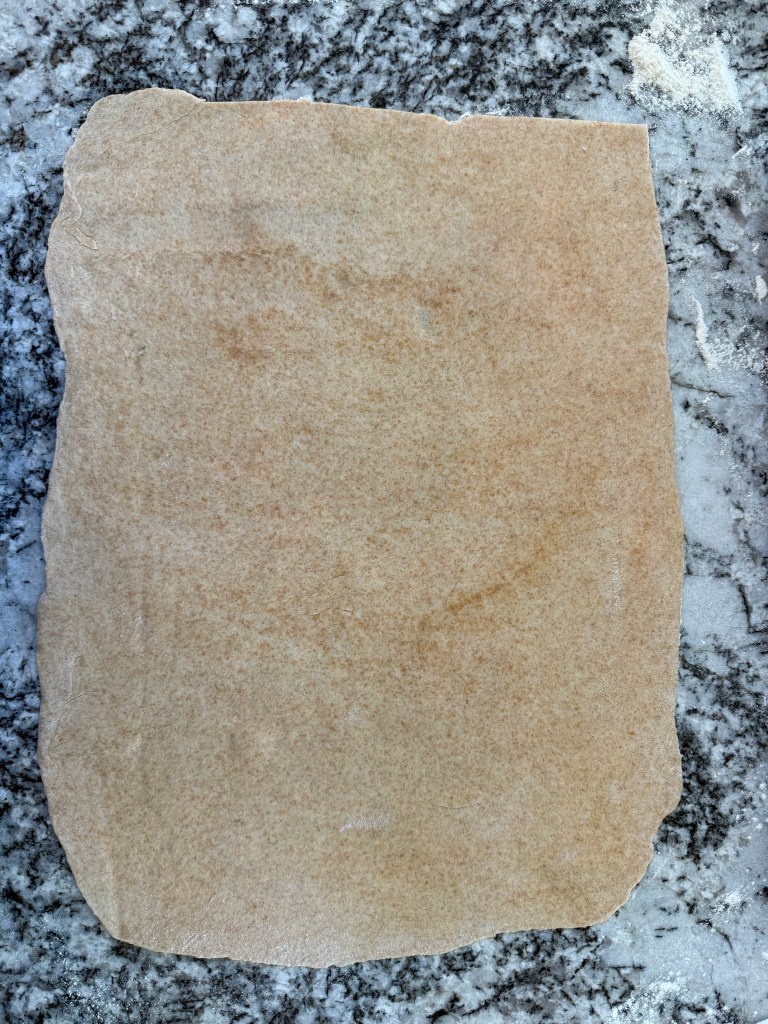
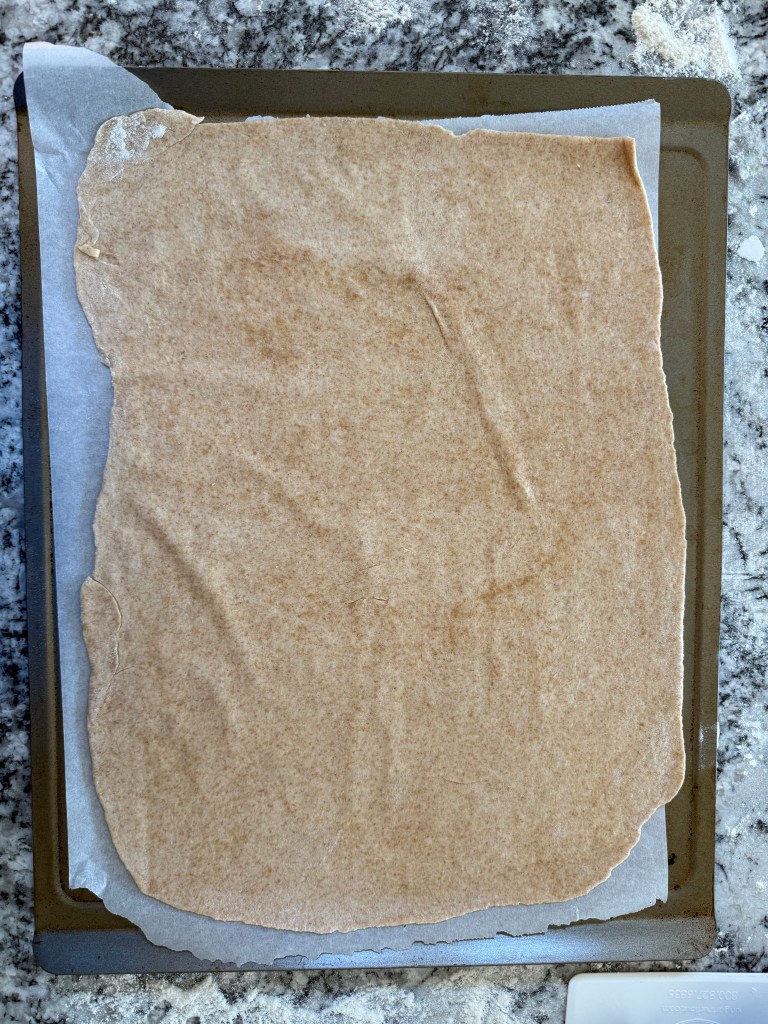
I rolled each half of the dough very thin. If you are making these crackers, you should transfer the rolled out dough to your baking sheet now. I learned this the hard way.

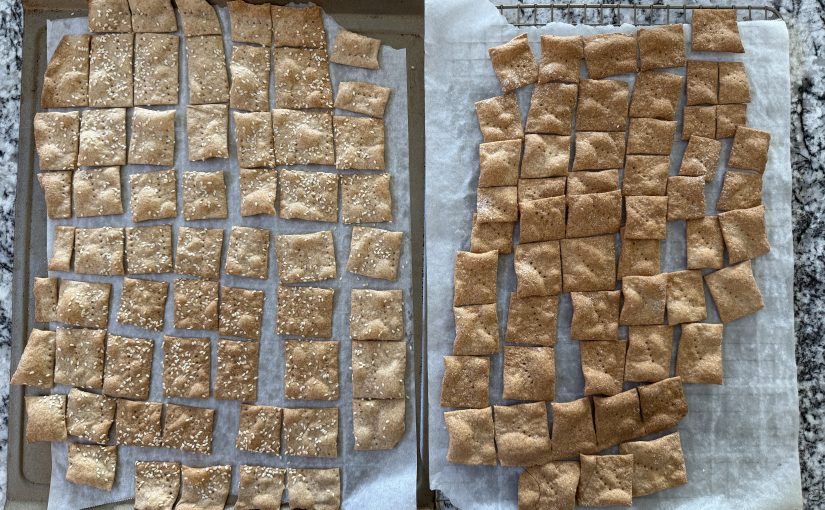
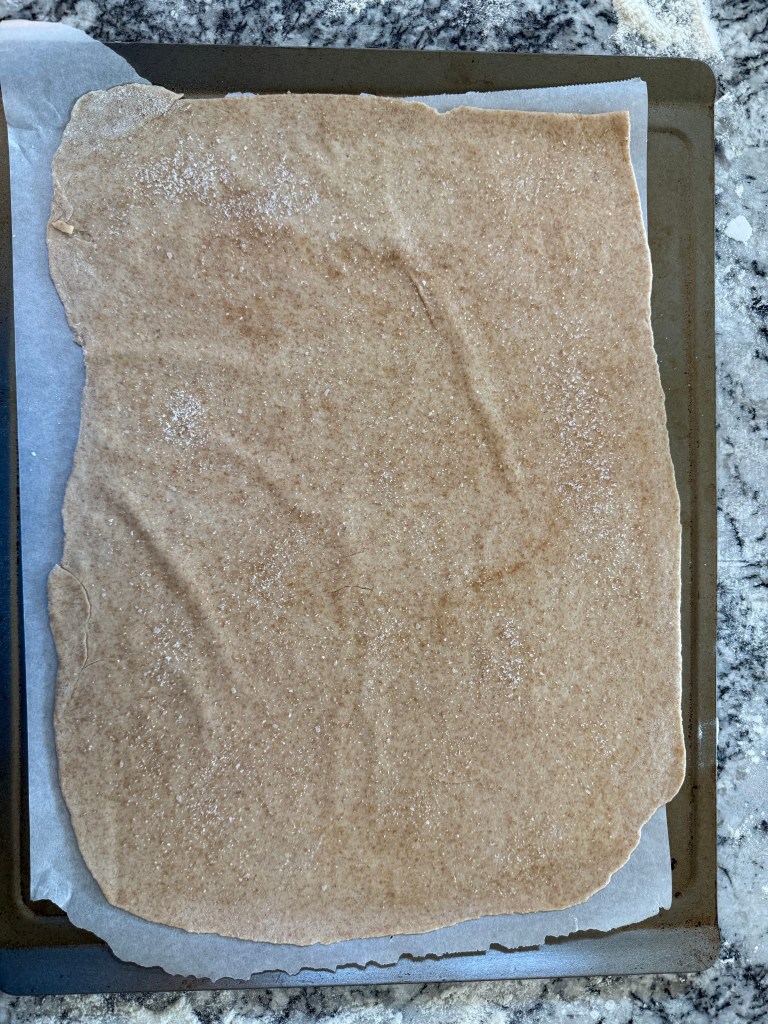
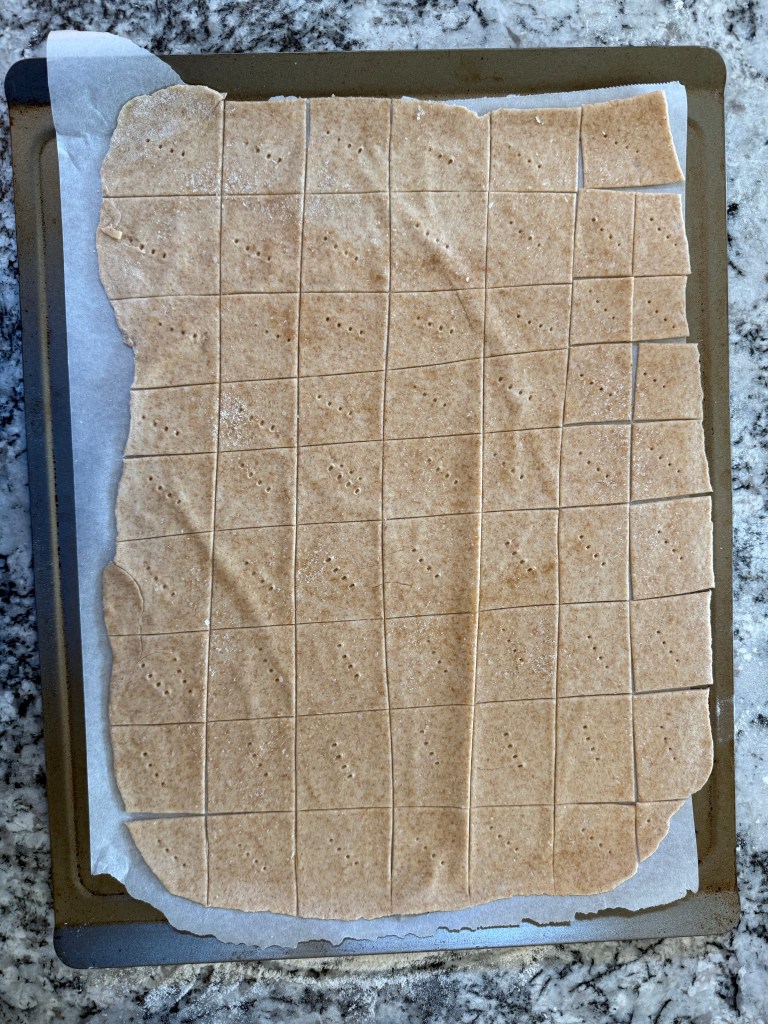
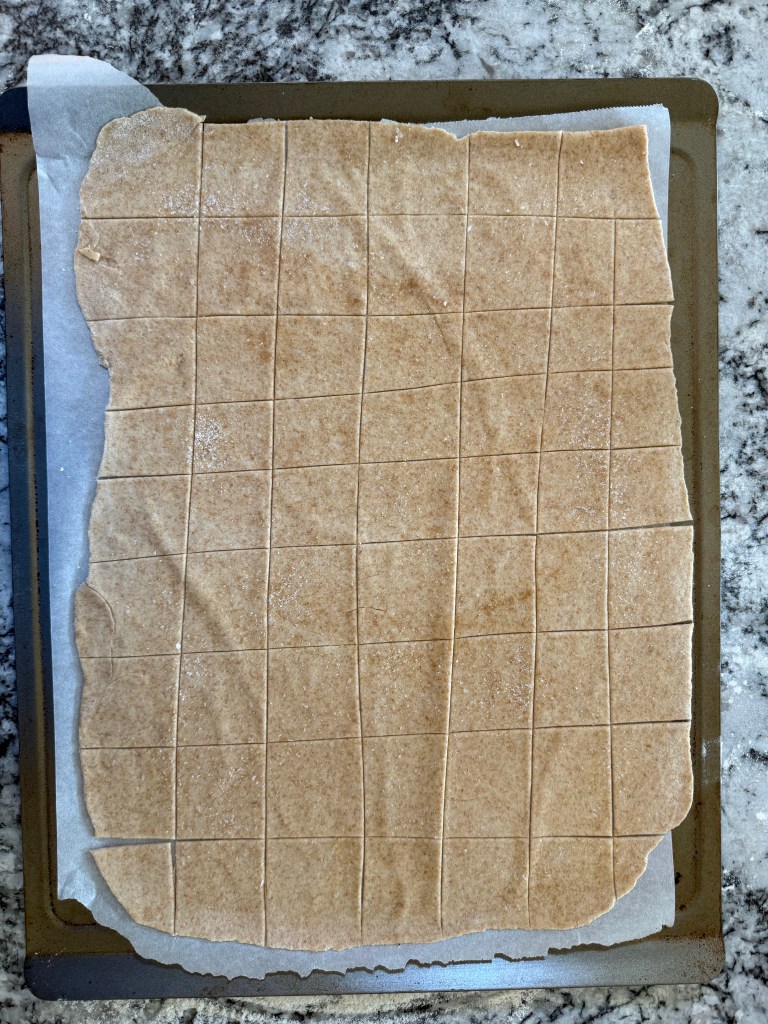
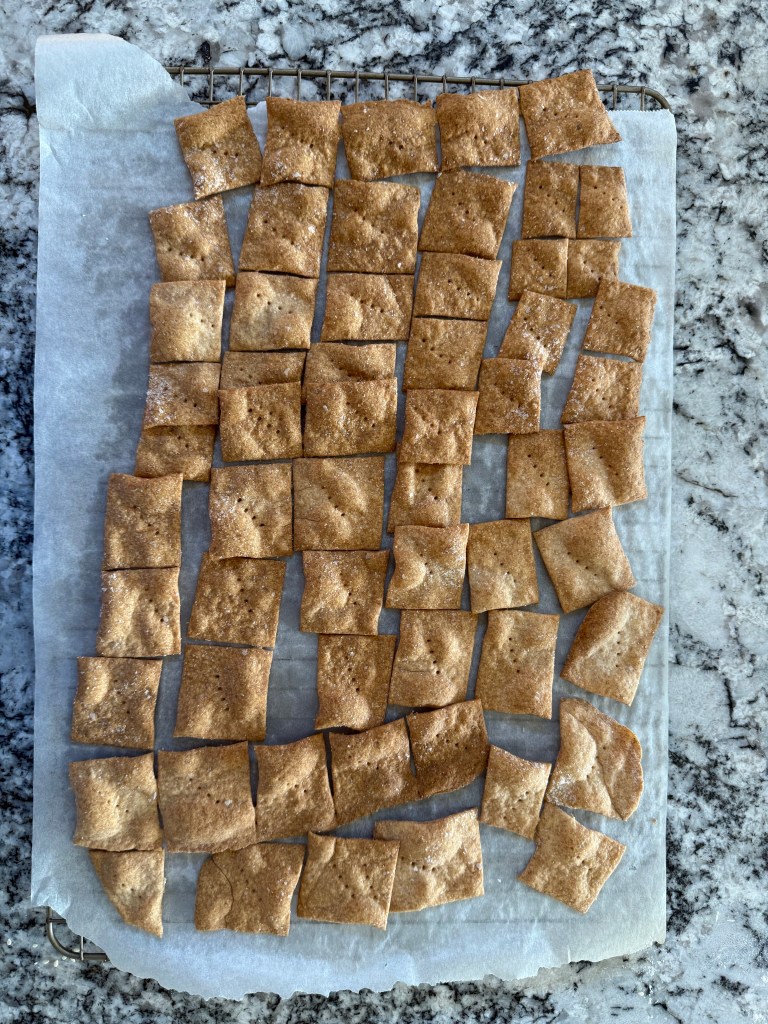
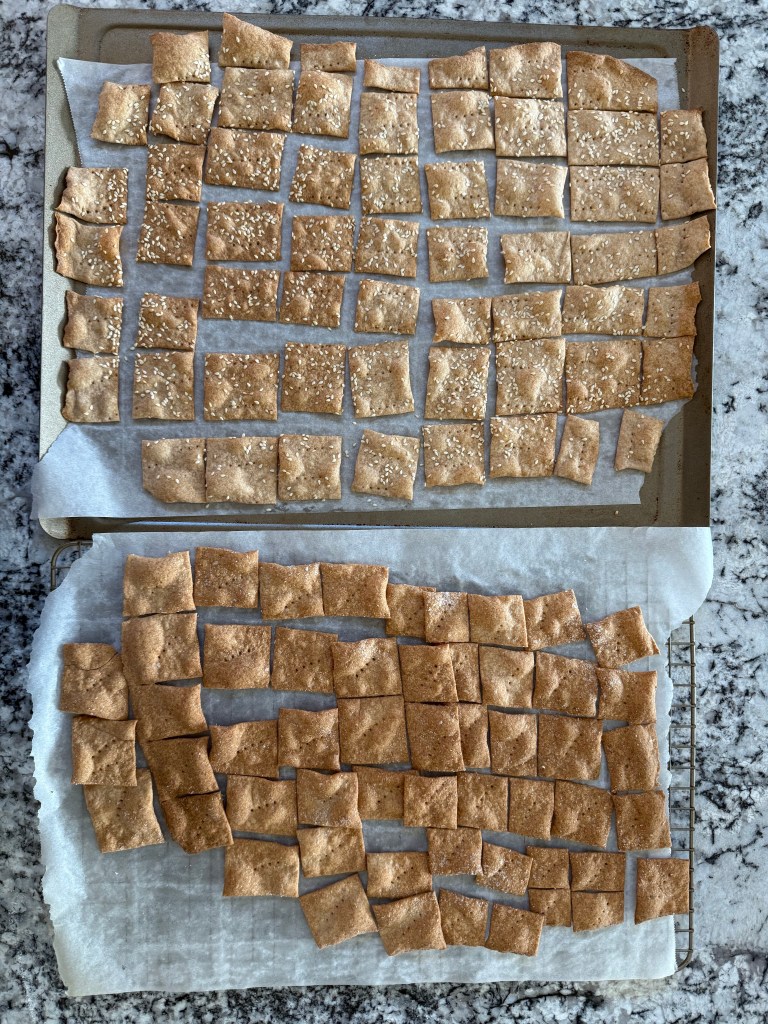
I sprinkled the dough with toppings (I used flaky salt for the first batch and sesame seeds for the second) and rolled those in, then docked the dough with a fork. Finally, I cut the dough into cracker shapes.

I baked the crackers until they seemed done. You can see that the crackers with salt are baked quite dark. This gave them a very nutty flavor and a bit of a crumbly texture. I didn’t bake the sesame crackers as long because I was afraid the sesame seeds would burn.

I loved how these crackers turned out! I ate almost all of them within a week. They are intensely snackable, but they still feel healthy because of the sourdough and the whole grains. Rolling out the dough is a bit annoying, but these crackers are worth the effort.

Until the next time: may your yeast always rise and your flour never run out.
Delicious Hawaiian Bread: Mastering the Recipe

This recipe comes from The Bread Baker’s Apprentice by Peter Reinhart. In the recipe notes I learned that what we know as Hawaiian bread is actually Portuguese, as the Hawaiians got the bread from the Portuguese.

The bread starts with a preferment that is allowed to ripen for 90 minutes.

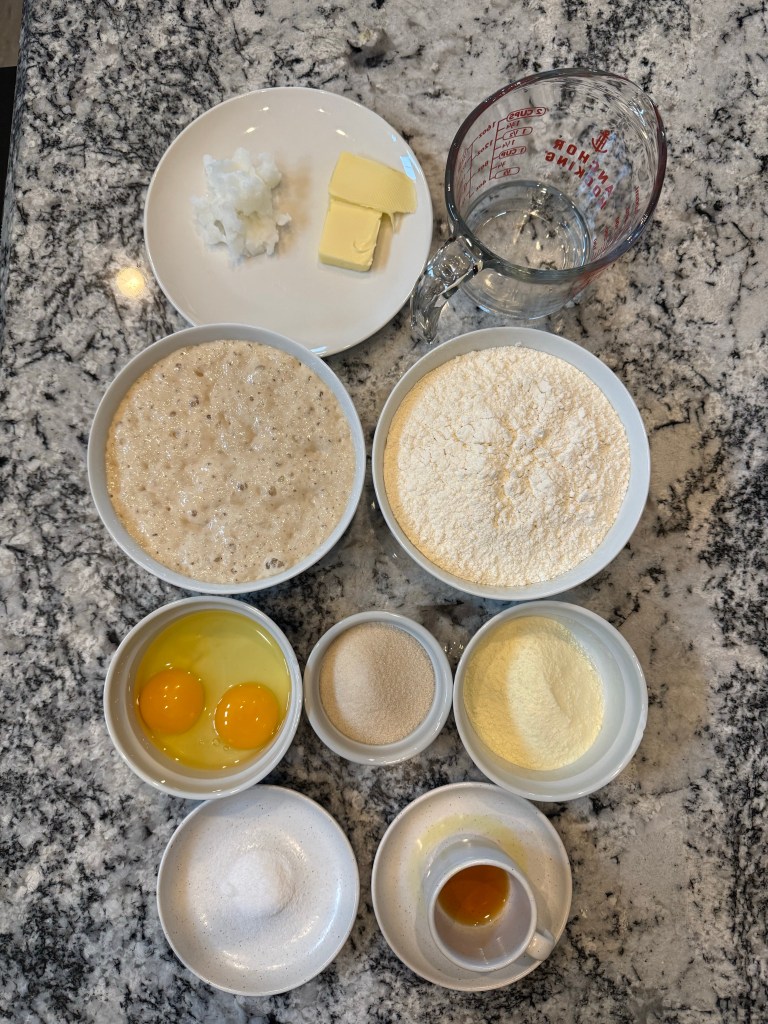
While the preferment ripened, I gathered my mise en place. I have tried to avoid substitutions in most of the recipes I’ve written about, but I made 3 in this bread: I substituted coconut oil for vegetable shortening, and I substituted lemon and orange essential oils for their respective extracts. I used 5-6 drops of each of the essential oils rather than the teaspoon of each extract called for in the recipe, and the flavors were perfect.

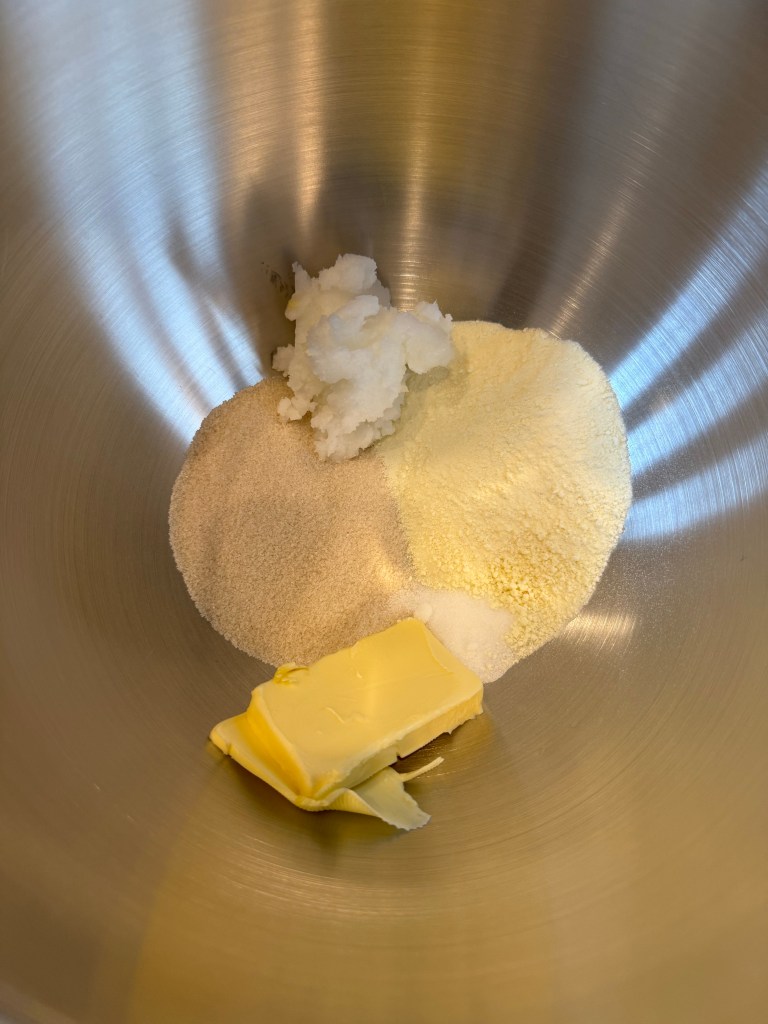
I combined the dry ingredients with the fats and beat the mixture in my KitchenAid mixer until it was sandy in texture.

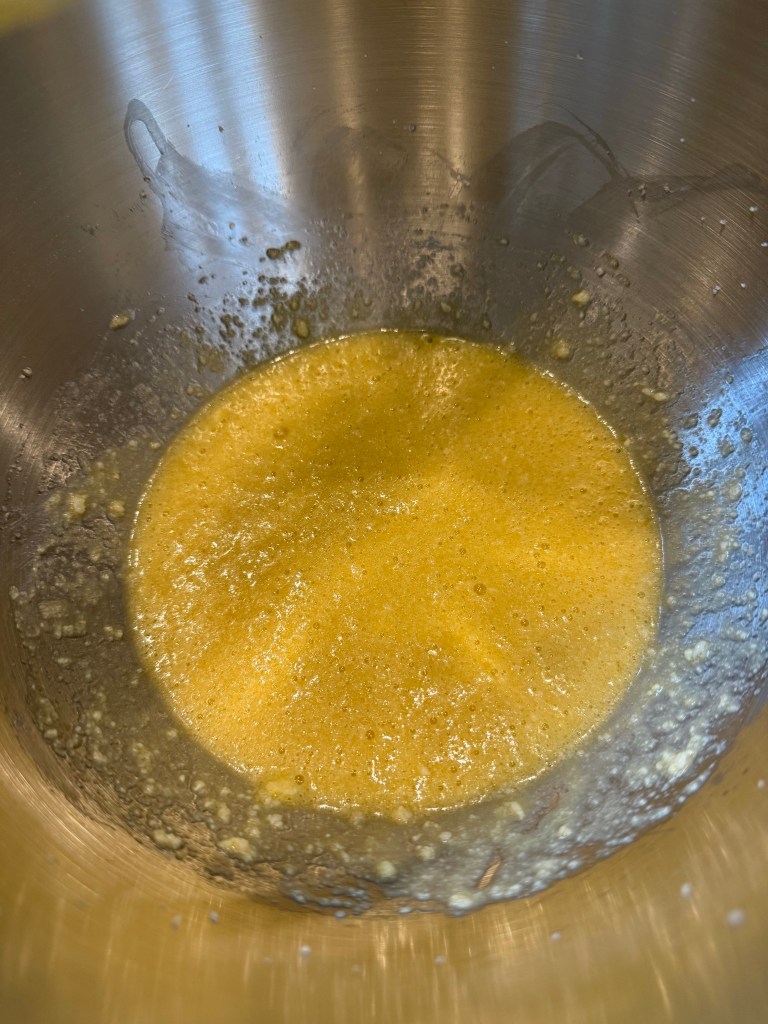
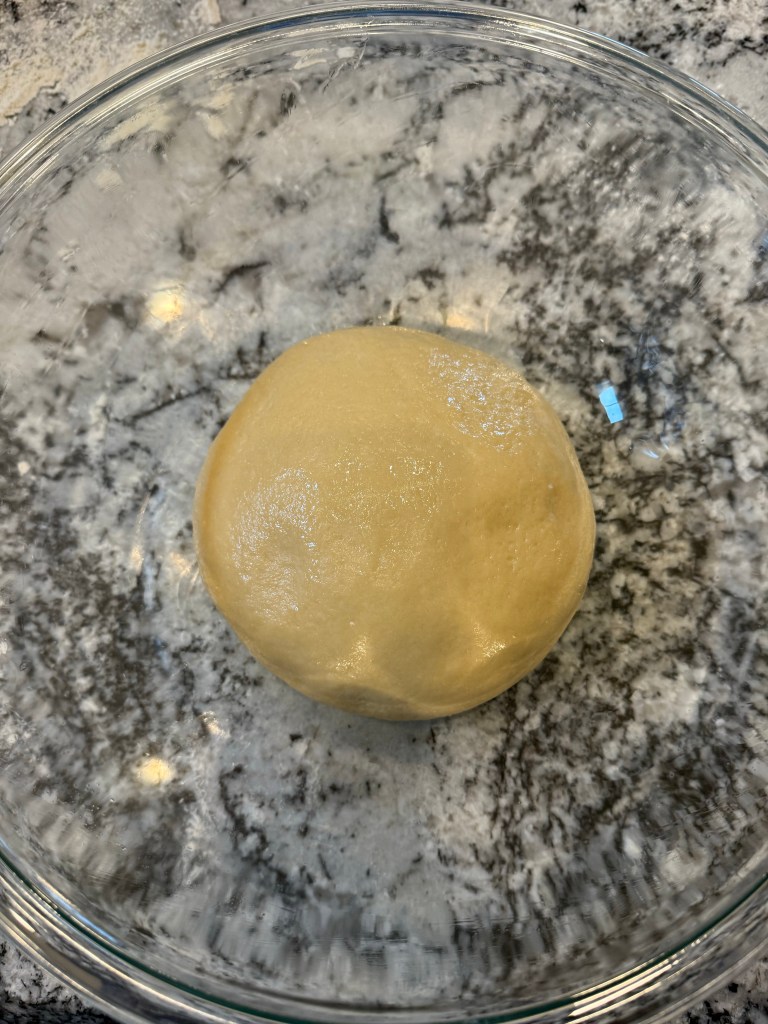
I mixed in the wet ingredients, then added a bit more flour since the dough seemed quite soft. I realized at this point that I had missed the instruction to not add in all the water at once. Oops.

I intended to knead the dough in my stand mixer, but I ended up kneading it by hand as that allowed me to better gauge the dough’s texture and incorporate additional flour to get to the right texture.

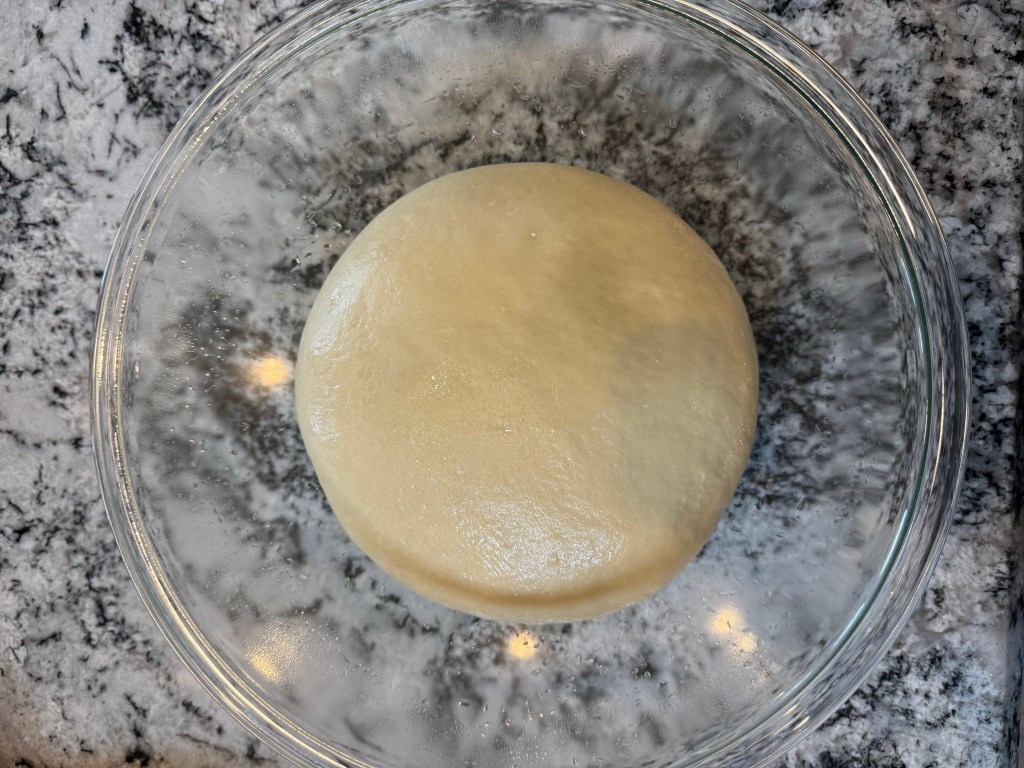
I let the dough rise for 2 hours.

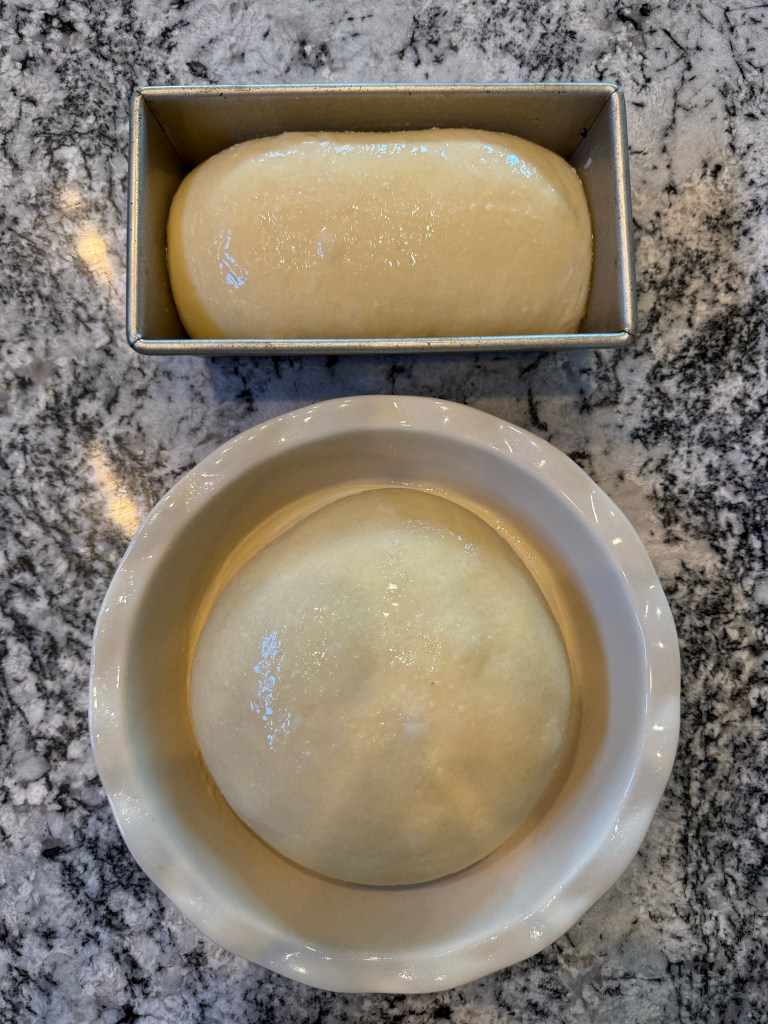
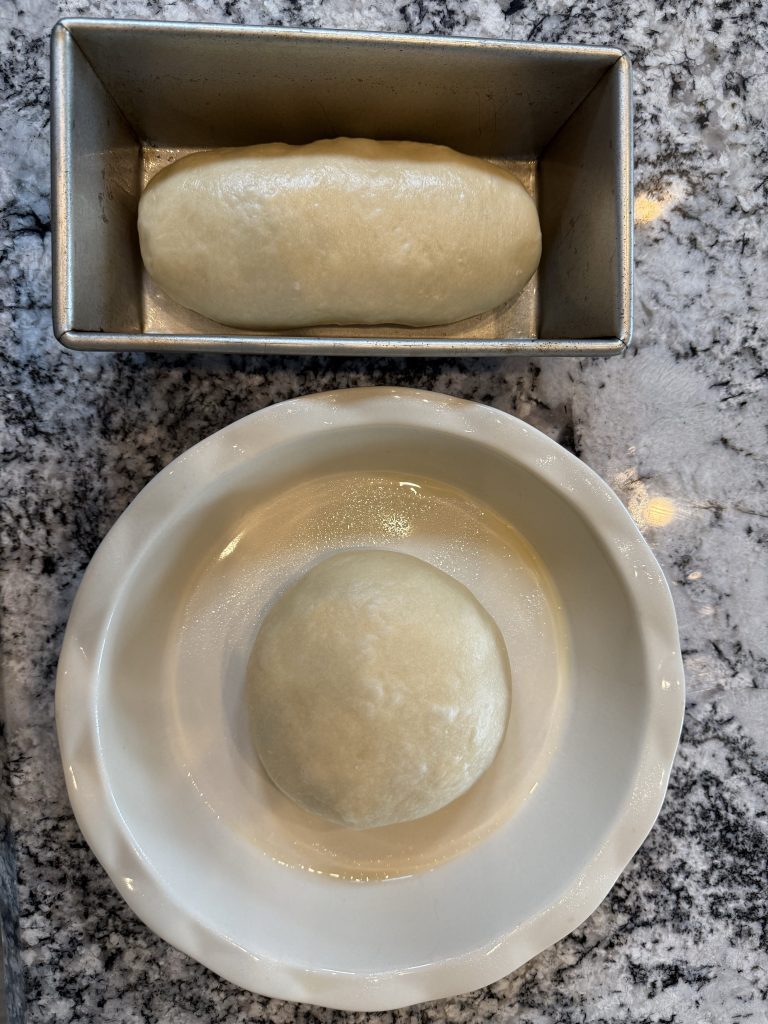
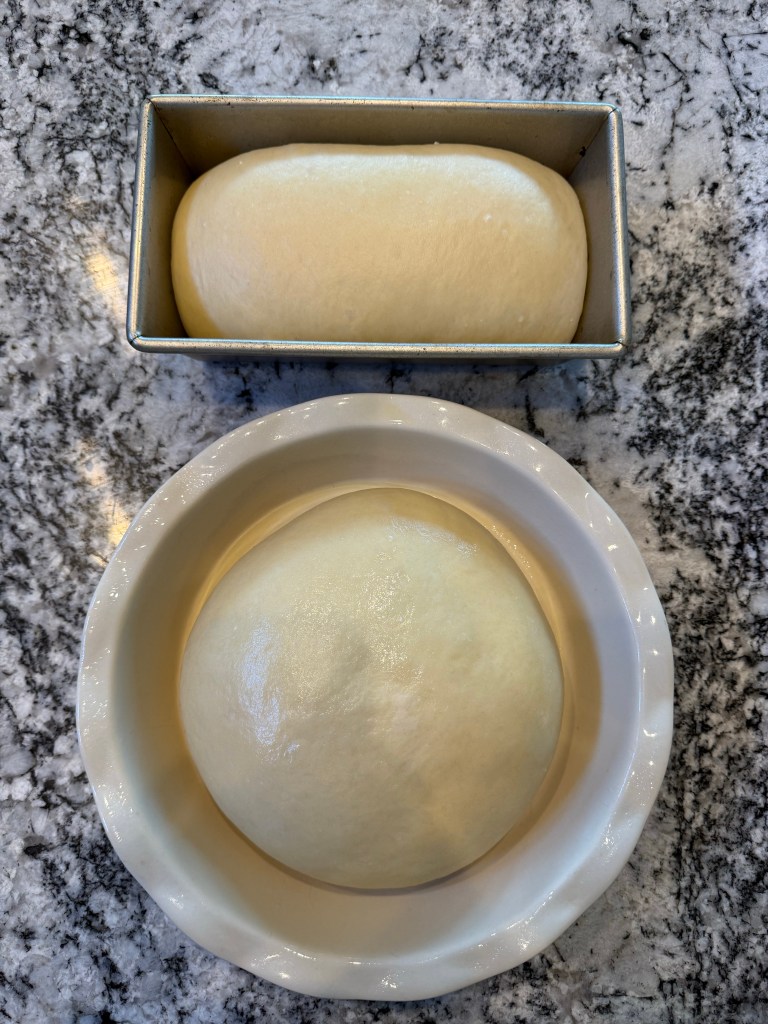
I divided the dough in two, then shaped half to fit in a loaf tin and half as a round, since this is the traditional shape for this bread. The shaped dough rose for 3 hours, until they filled the pans.

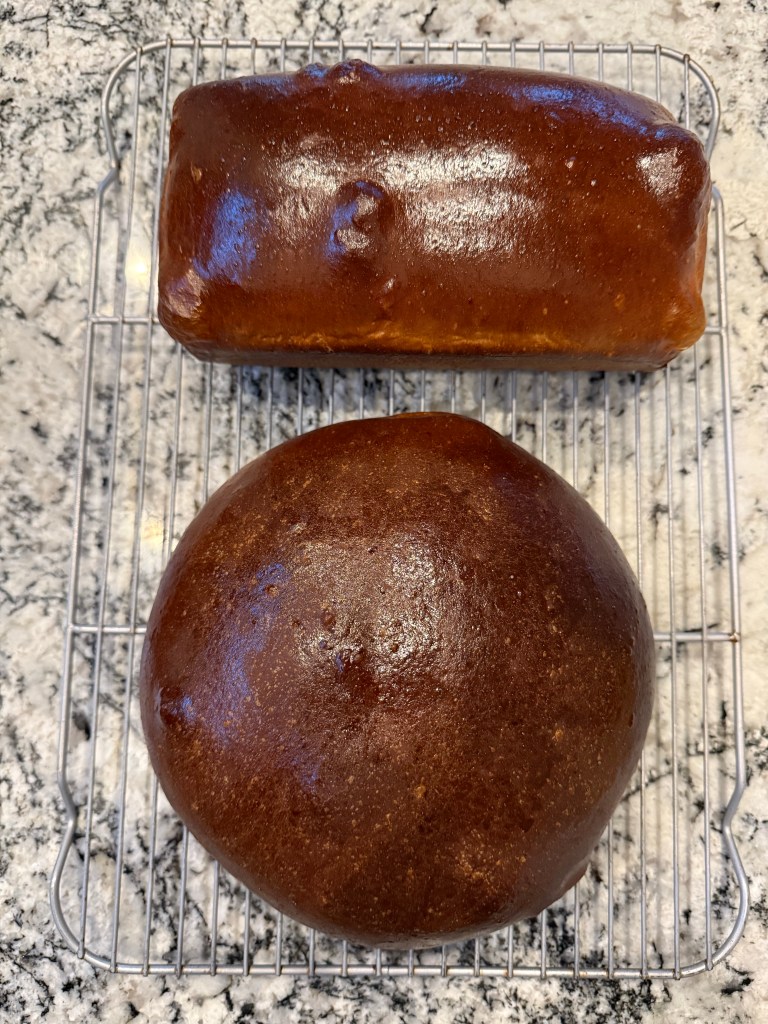
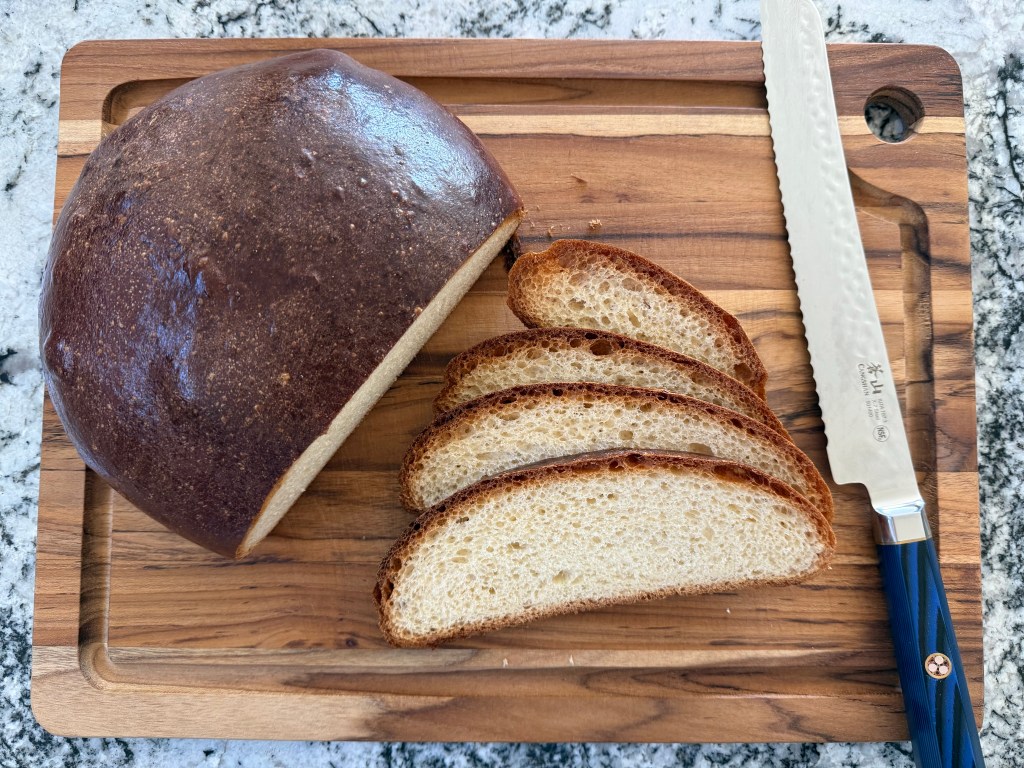
I brushed the top of each dough with egg wash, then baked the loaves. I was shocked at how dark these breads baked up! I was glad the recipe warned me about the browning, since I might have pulled them out of the oven too soon if I hadn’t been prepared.

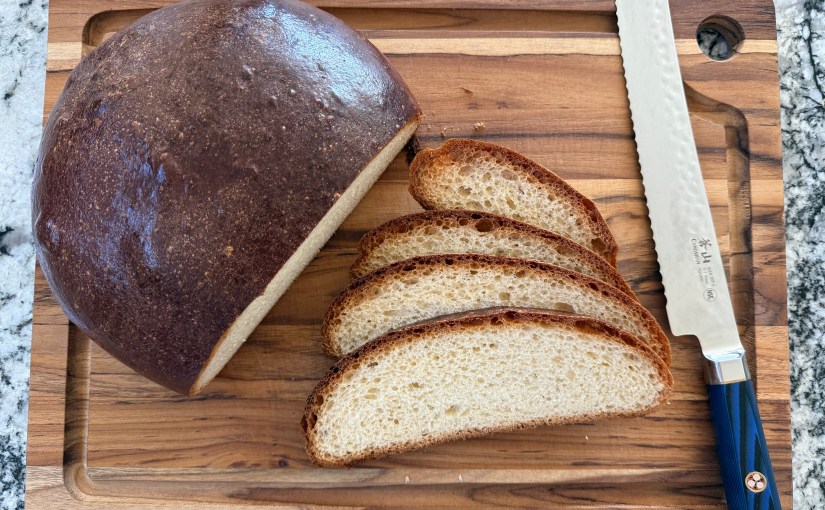
The bread is delicious and beautiful. The crust is very brown, but thin and soft, and the bread inside is a beautiful creamy colour. The texture is of the bread is fine-grained and soft, but dryer than many home-baked bread recipes. Because of this the bread toasts up beautifully.

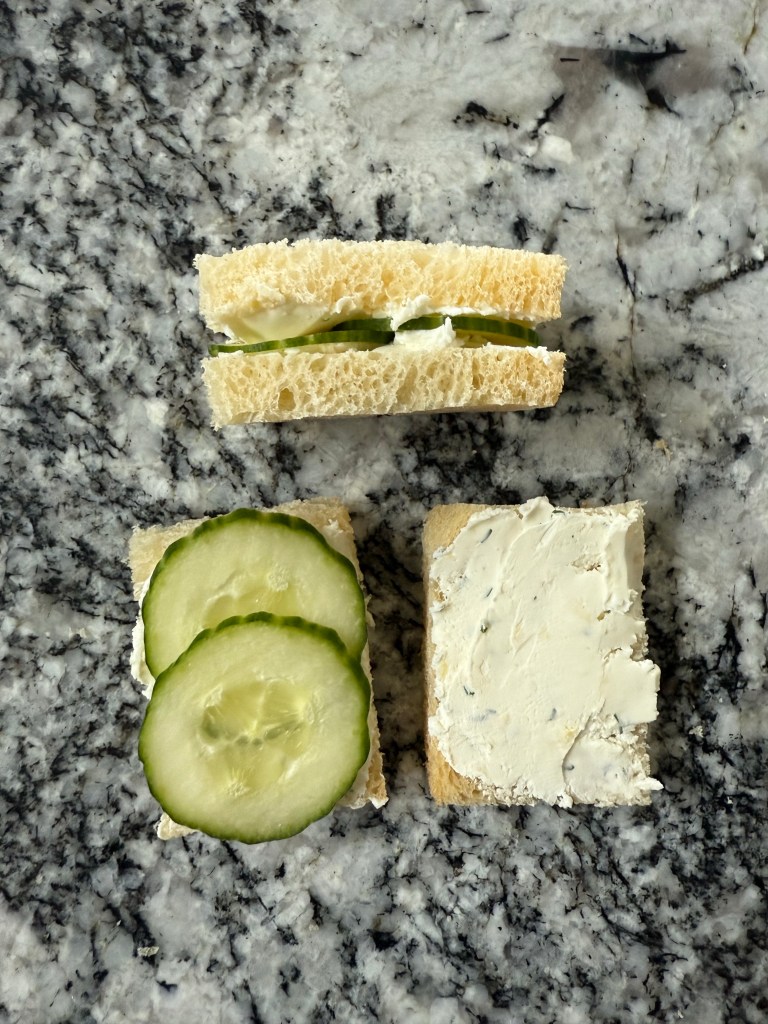
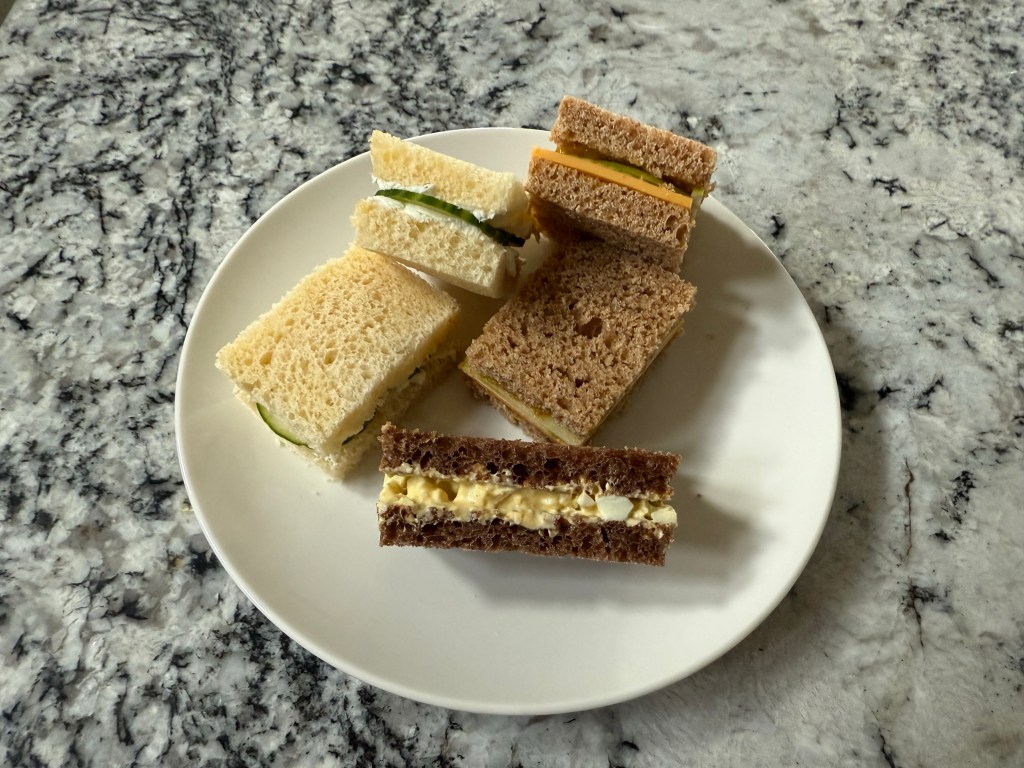
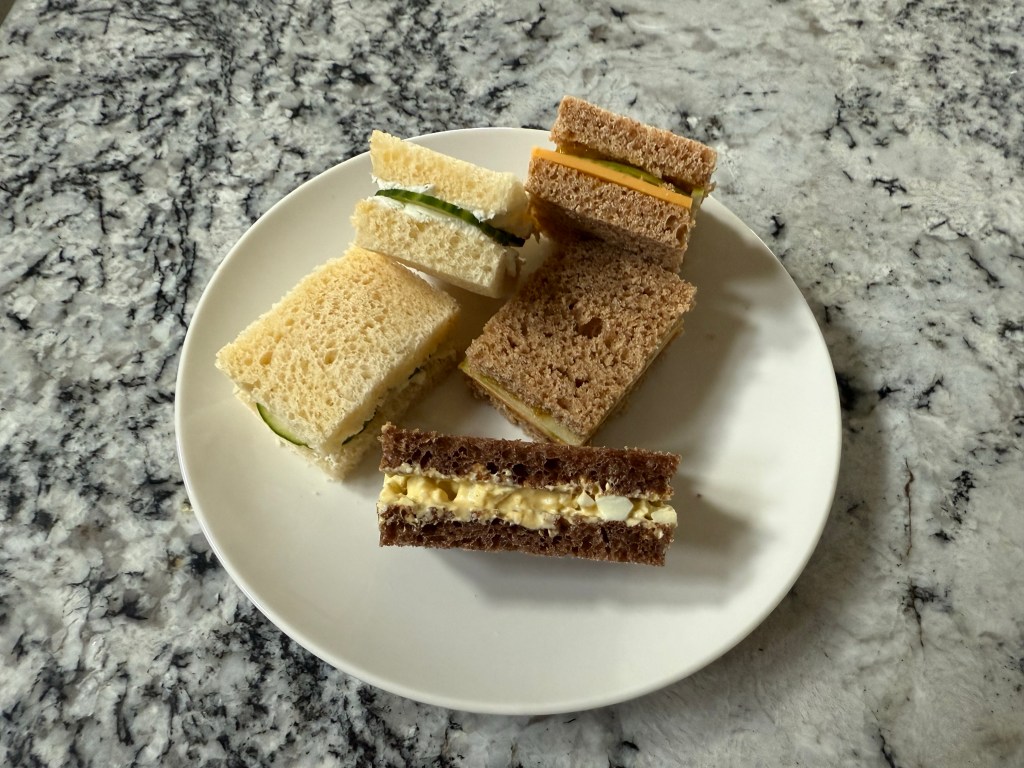
I used this bread to make cucmber sandwiches for my birthday tea party. The sweet bread was a perfect compliment for the delicate flavor of the cucumber and the tanginess of the cream cheese.

Until the next time: may your yeast always rise and your flour never run out.
An Imperfect Pairing: Egg Salad and Pumpernickel Bread

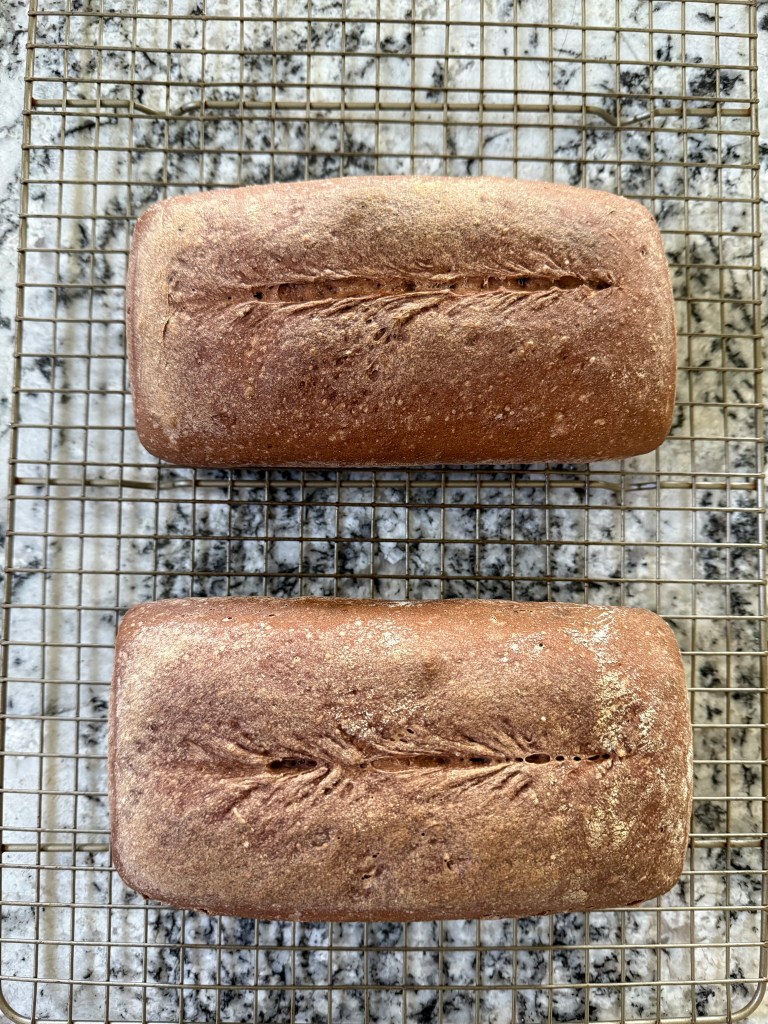
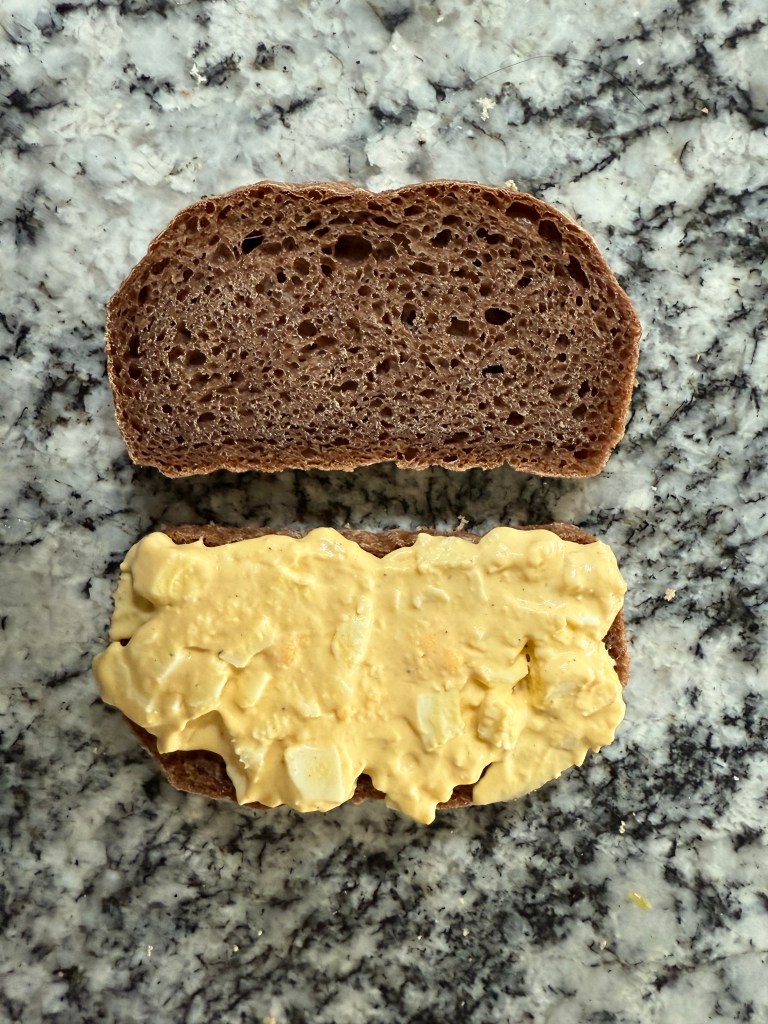
One of the sandwiches I made for my birthday tea party was egg salad on pumpernickel bread. In hindsight, the rye flavor was too strong for the egg salad, but the bread was very good. I used the King Arthur Pumpernickel Boule recipe.

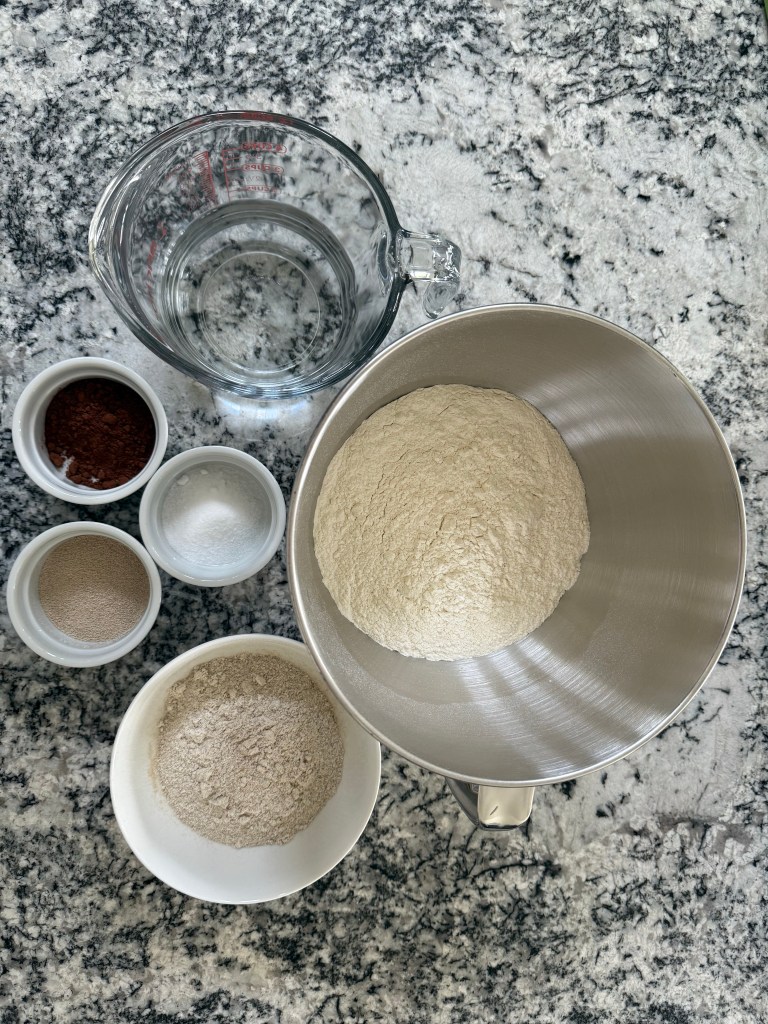
I gathered the mise en place: (I love that pumpernickel bread has cocoa powder in it)

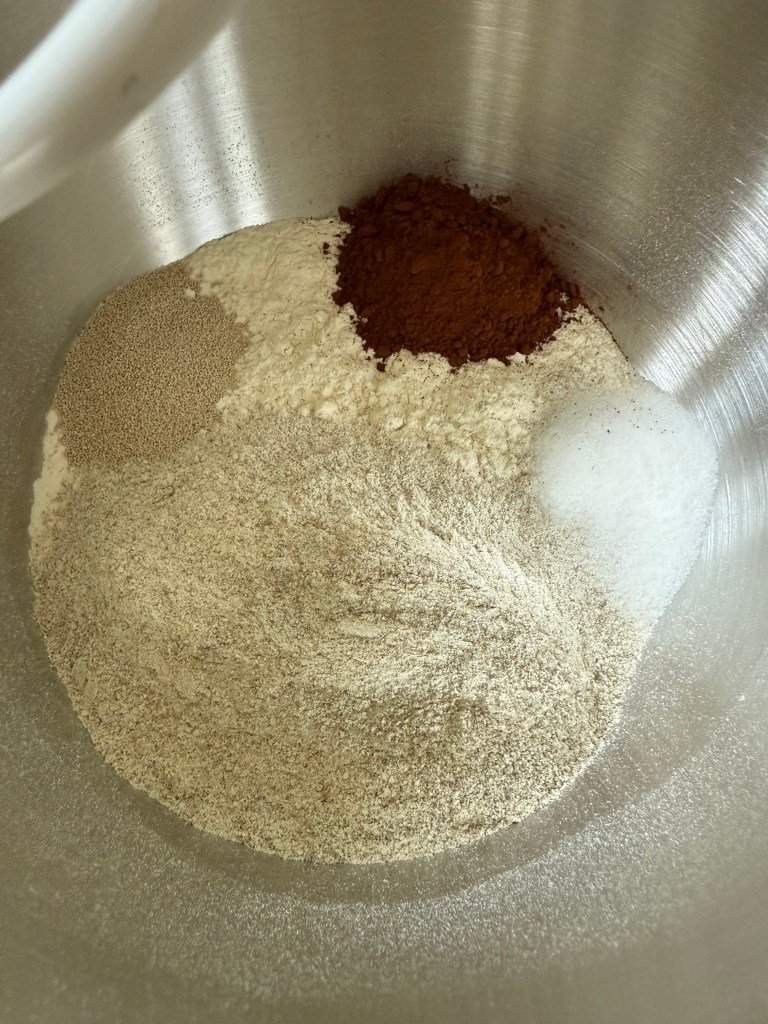
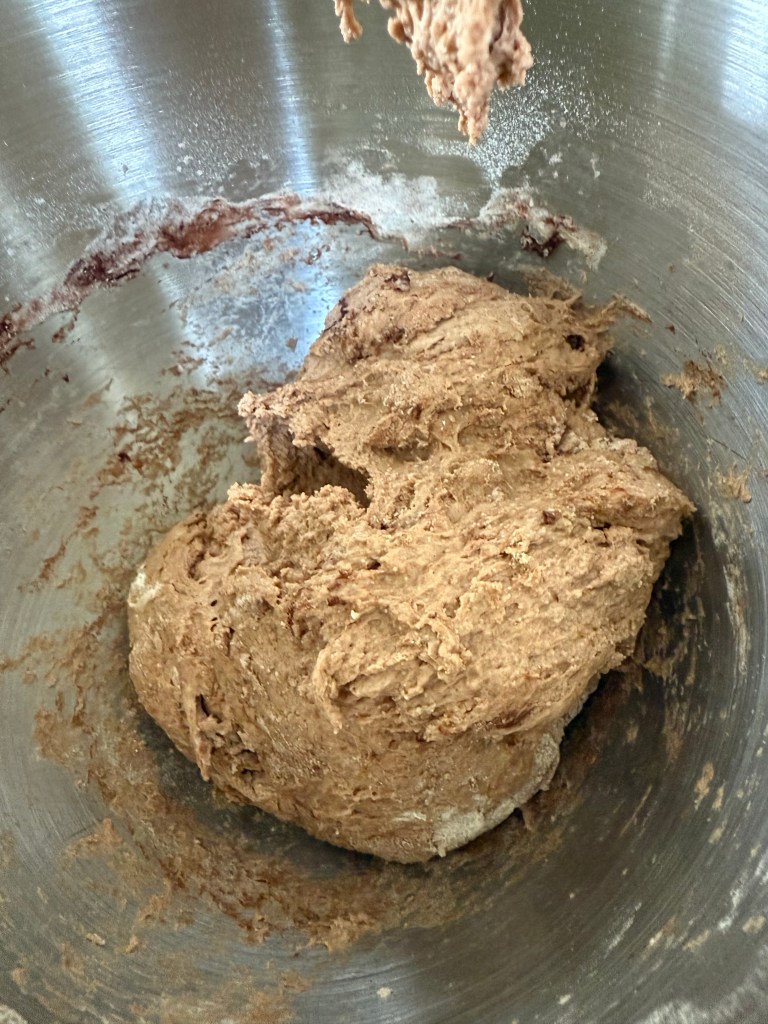
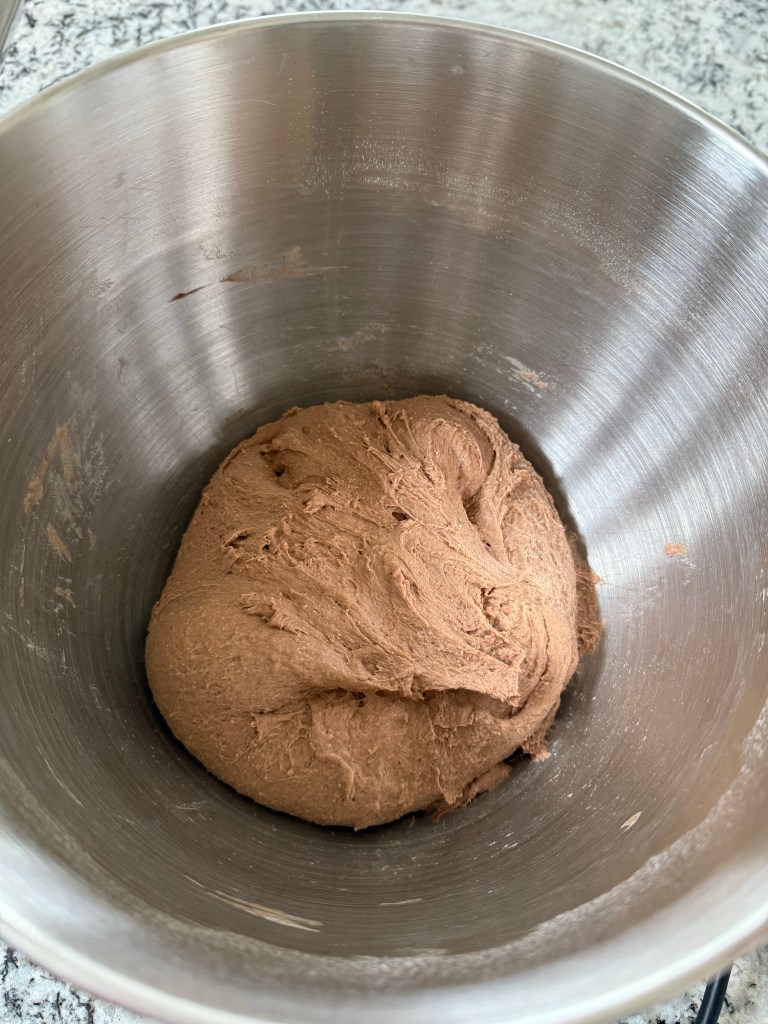
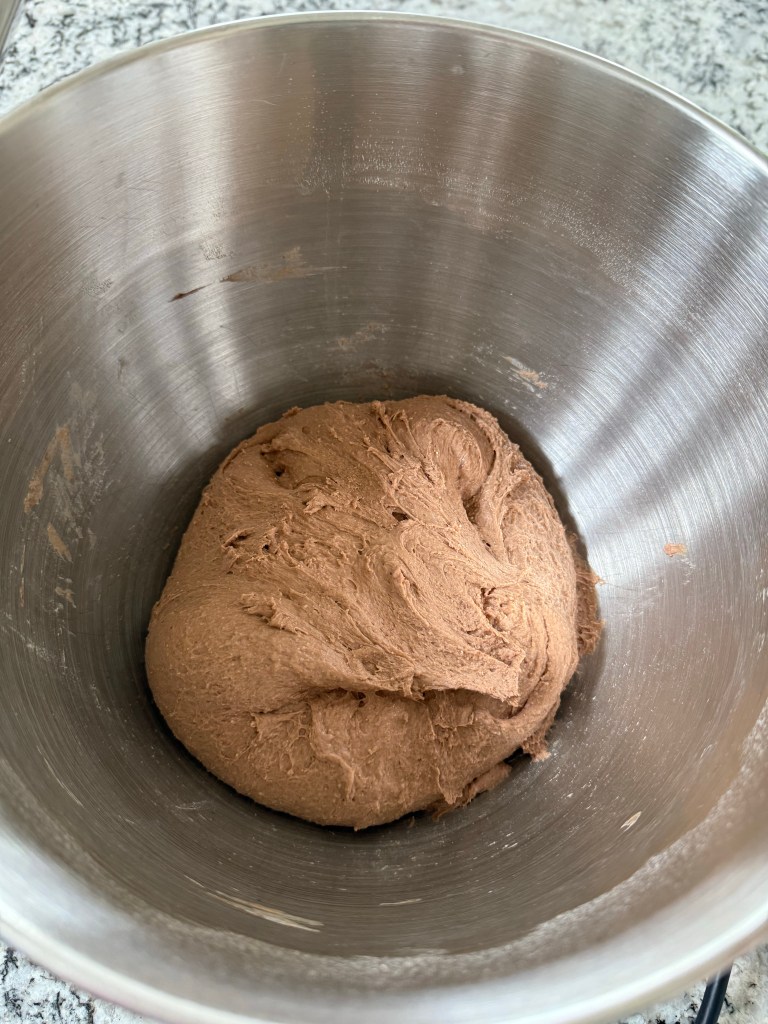
I combined the dry ingredients, then added the water, and kneaded in the stand mixer until it looked right.
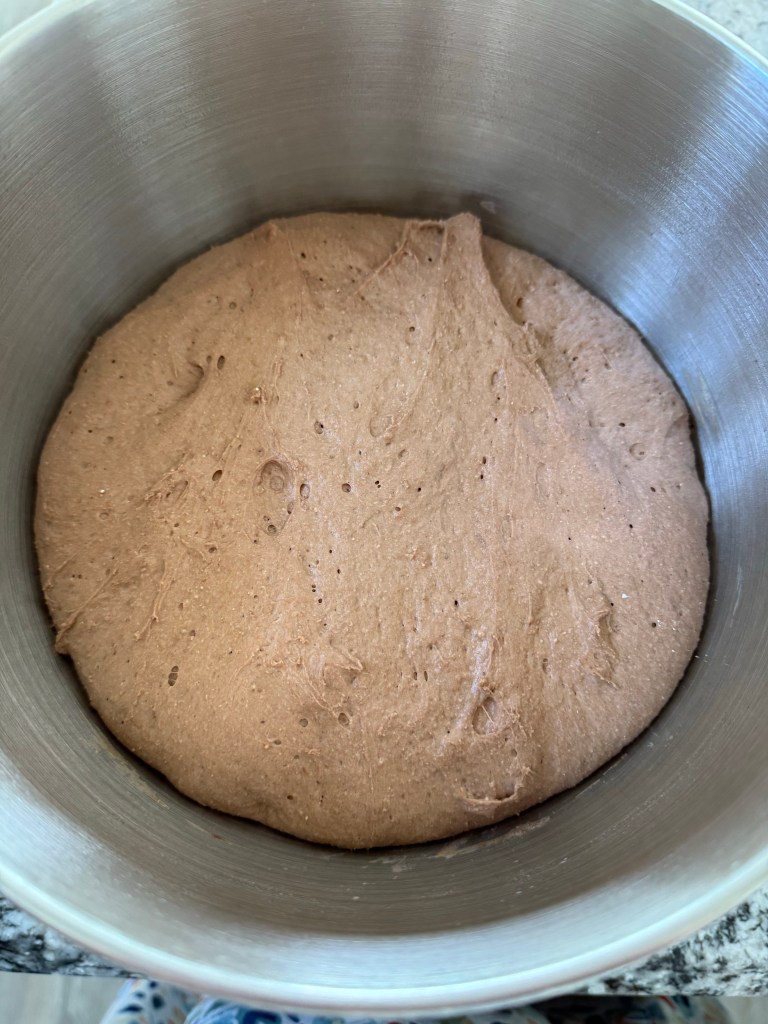
The dough rose for an hour…

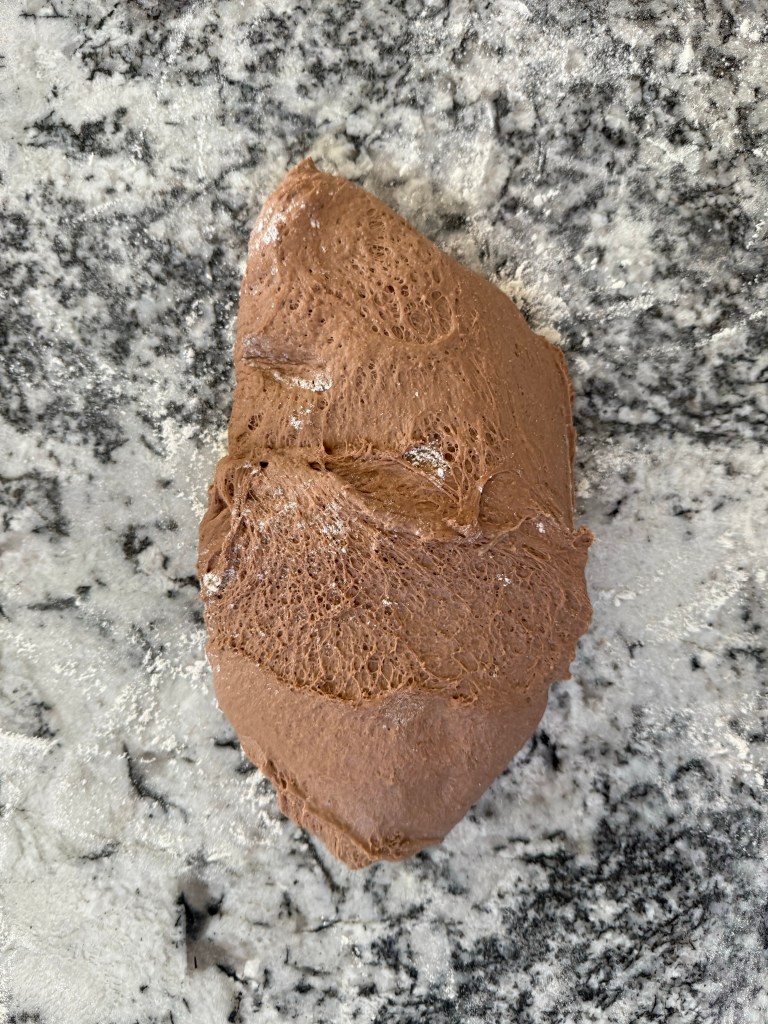
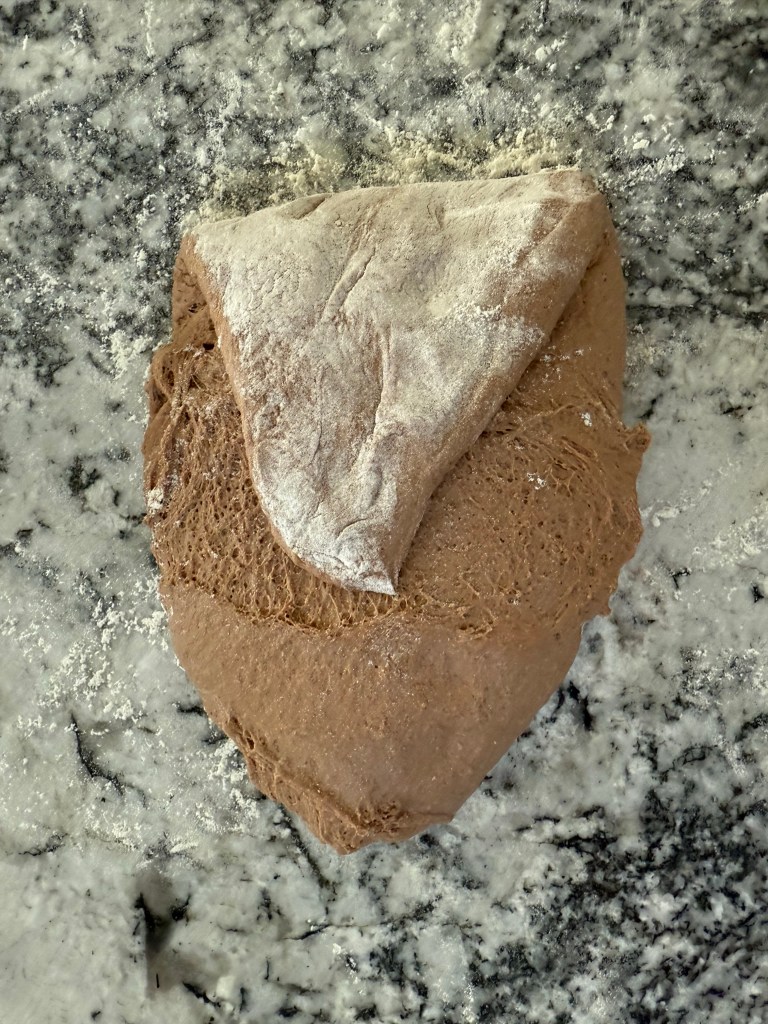
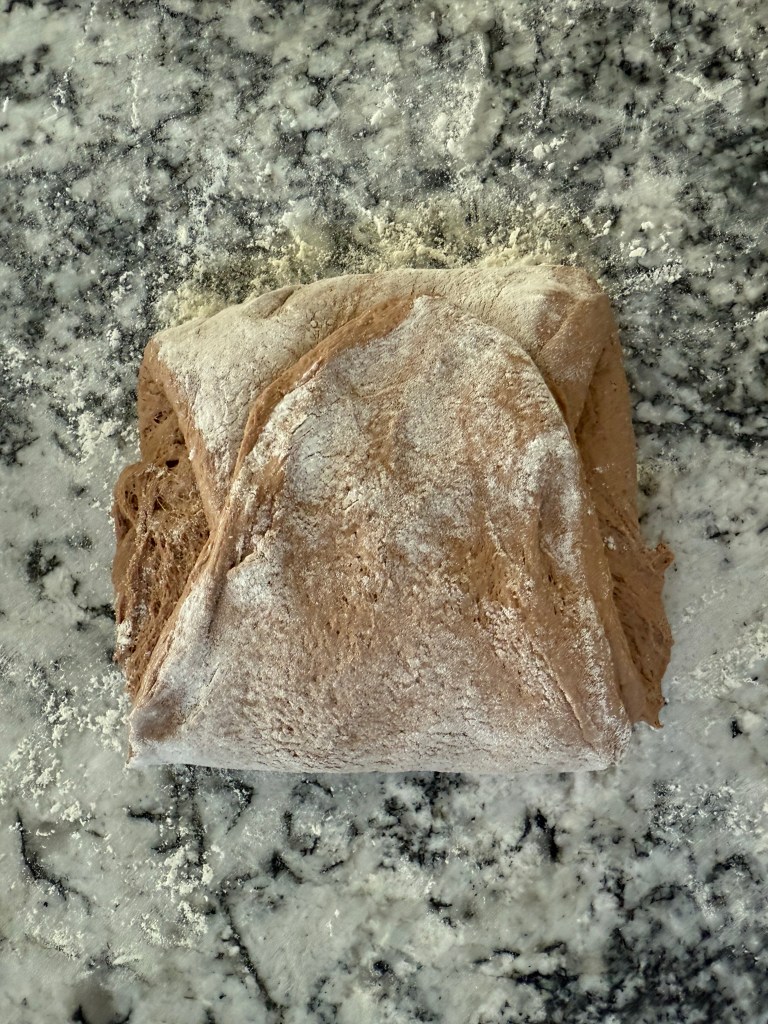
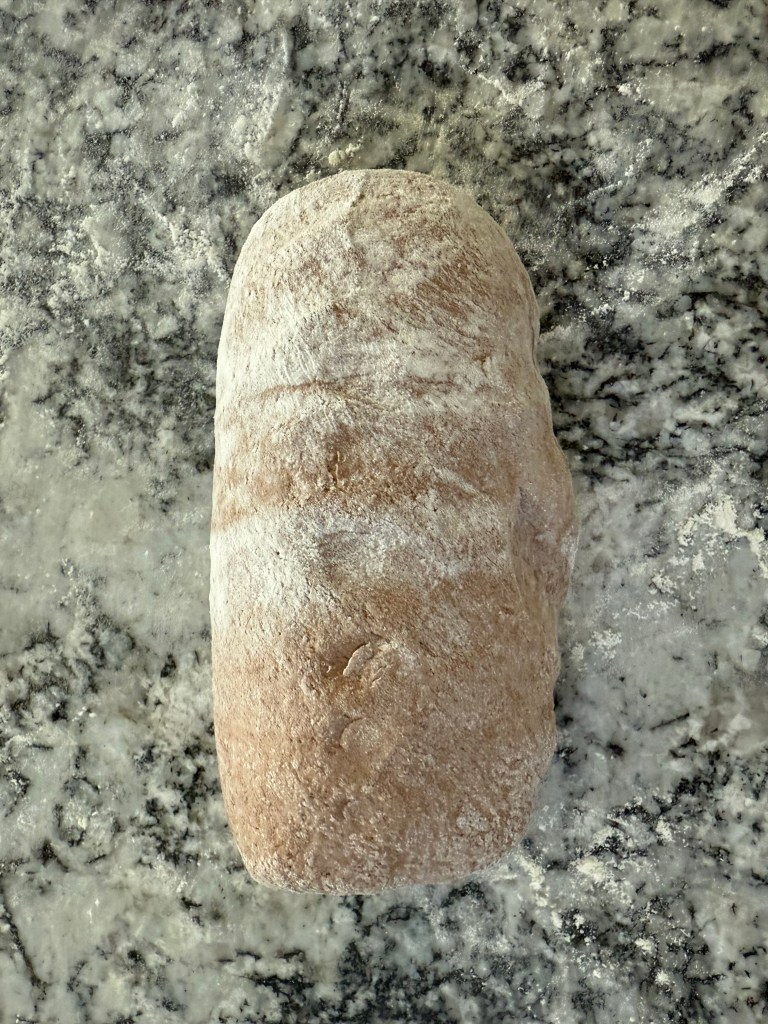
before I divided it into two and shaped each half into a loaf.
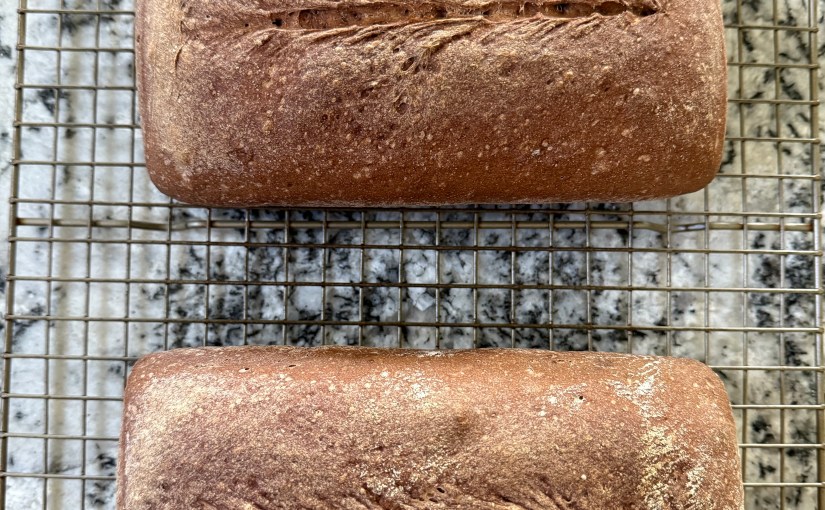
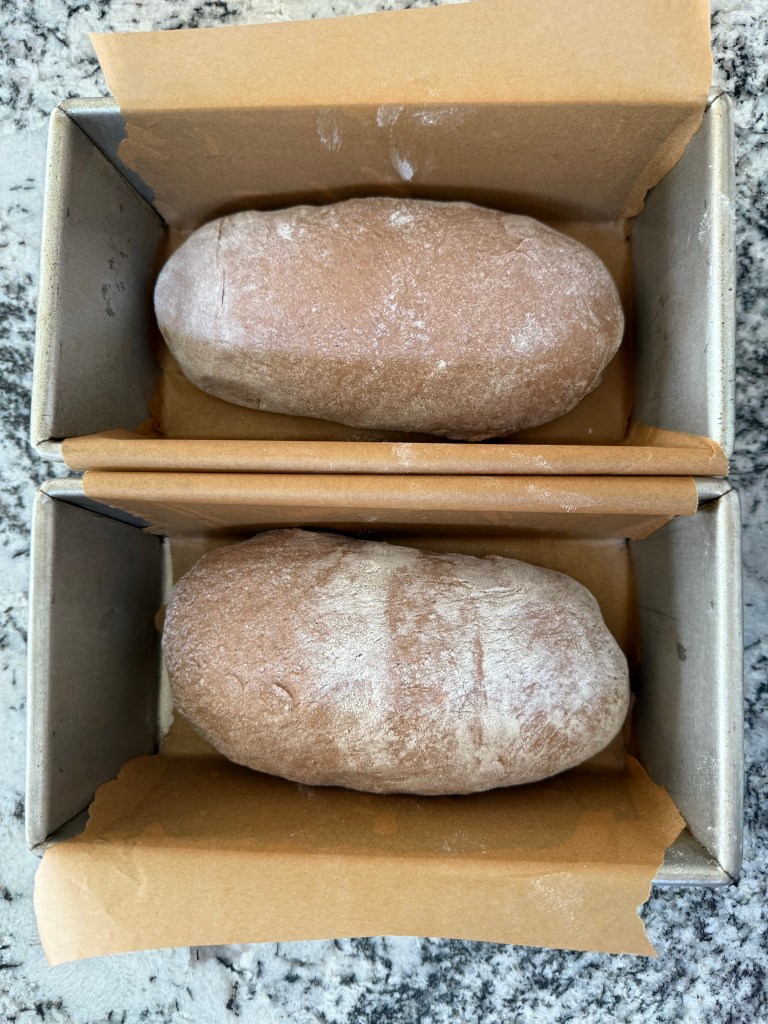
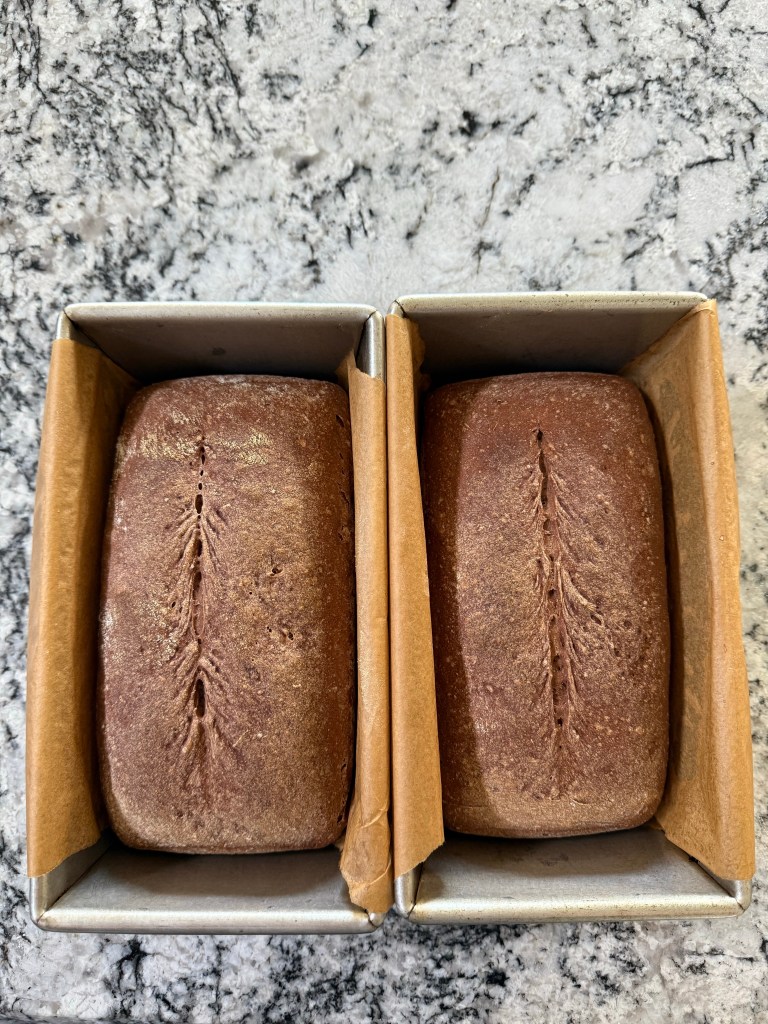
The loaves rose for 1 1/2 hours in the bread pans. I had a little trouble scoring them, since the dough was rather wet, then I put them into the oven to bake. When I took the bread out of the oven I noticed that the loaves had hardly any oven spring at all. I have baked this bread before and noticed the same thing. I contribue the lack of oven spring to the rye.

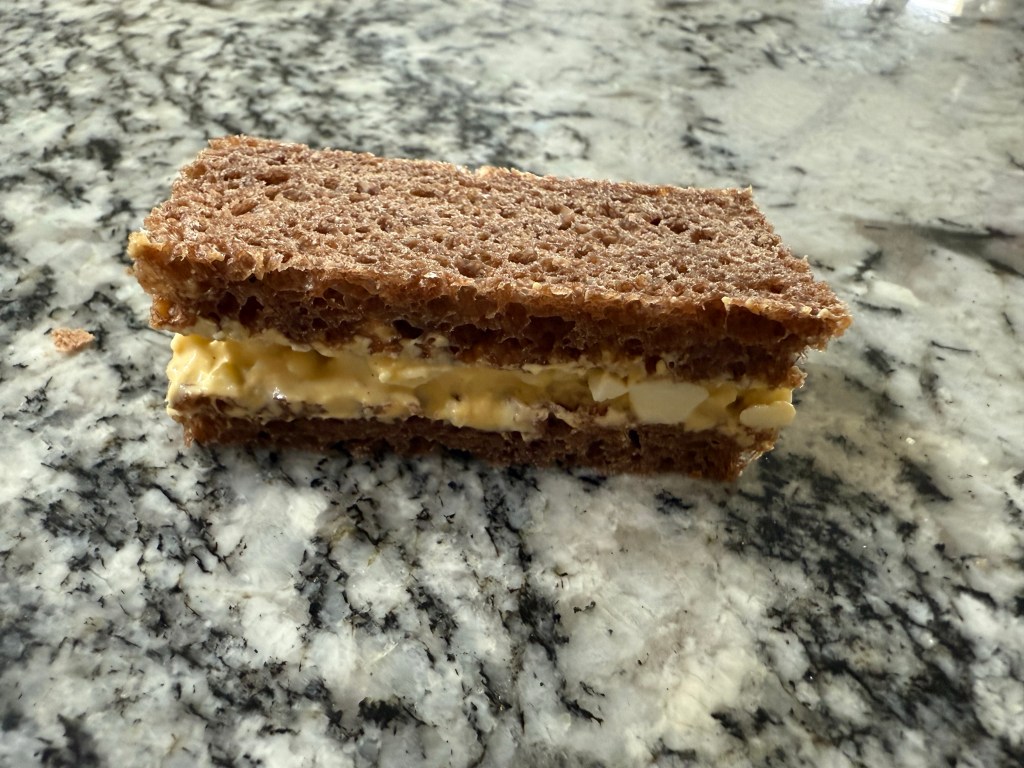
The loaves were pretty short, so I made long and thin sandwiches with all the crusts cut off.

These sandwiches were paired with classic cucumber and cream cheese sandwiches on Hawaiian bread and cheddar, apple, and chutney sandwiches on whole wheat bread.

Until the next time: may your yeast always rise and your flour never run out.