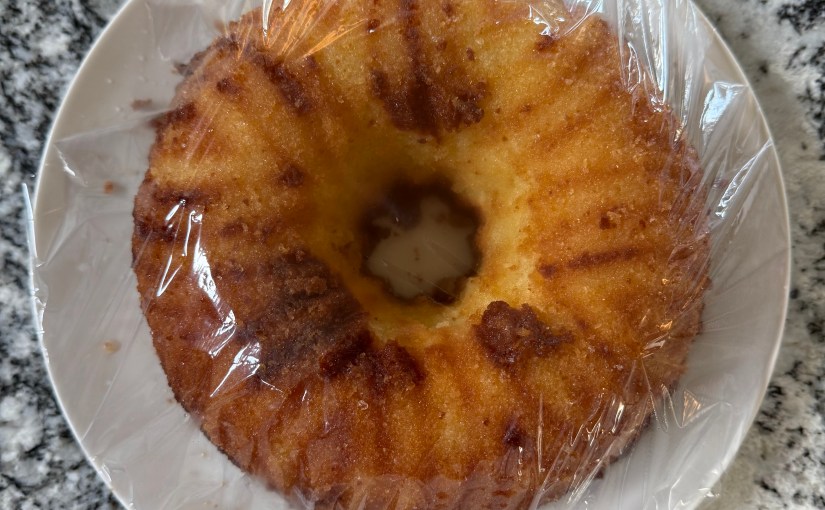
The Trials of Baking a Lemon Bundt Cake

I love lemonade and lemon-flavored treats, so I bought a bag of lemons not fully realizing just how many lemons I had just acquired. In an effort to use some of the lemons I decided to make a lemon cake. I leafed through the King Arthur Baking School cookbook and found this lemon bundt cake. Perfection.

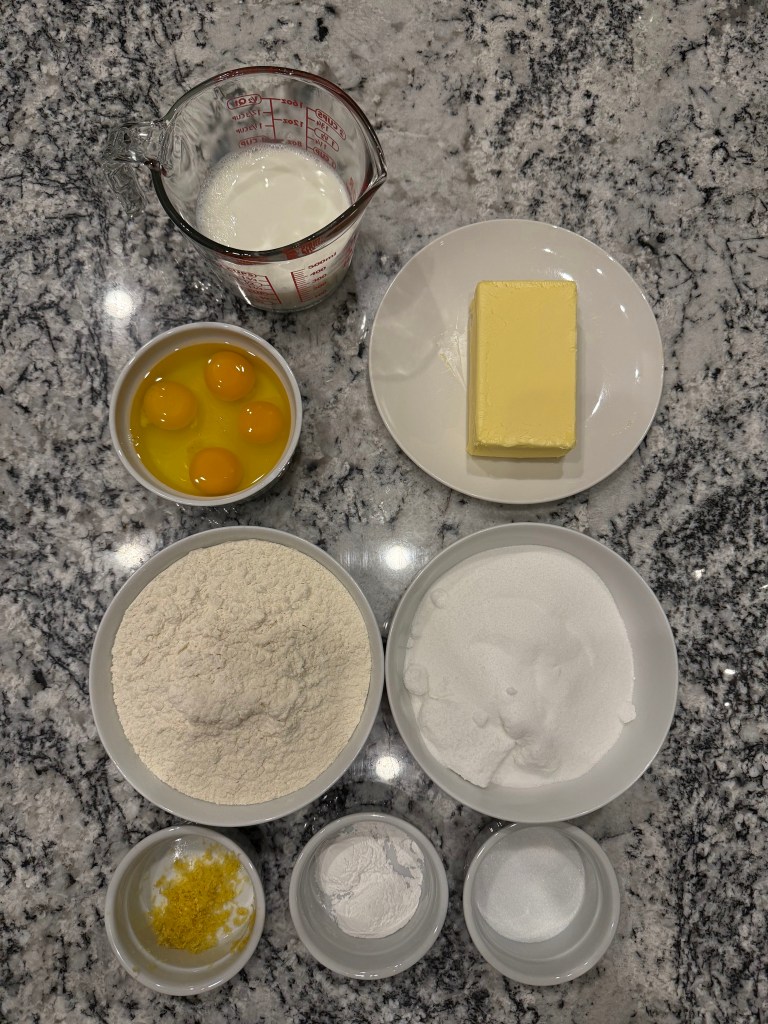
I gathered my mise en place:
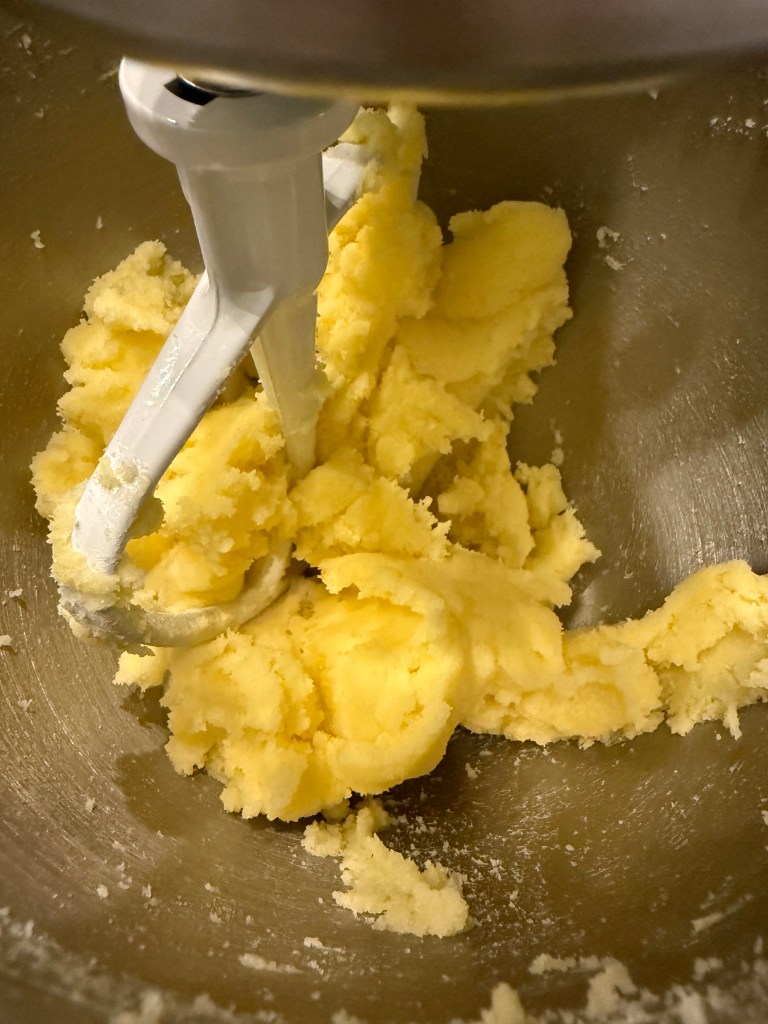
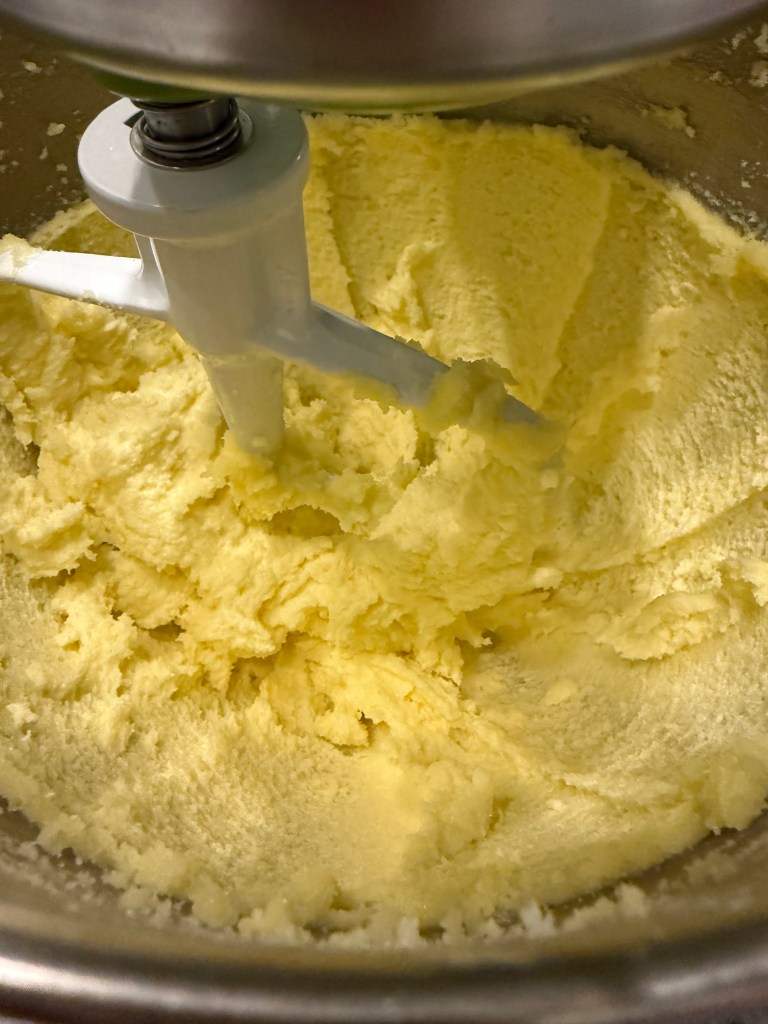
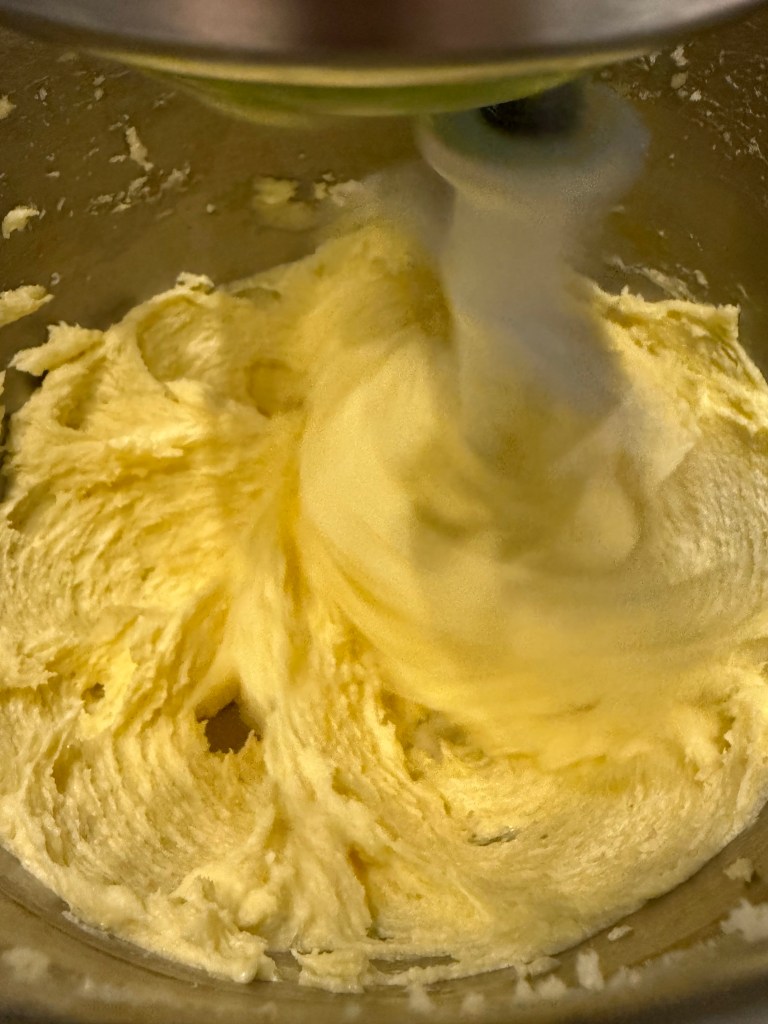
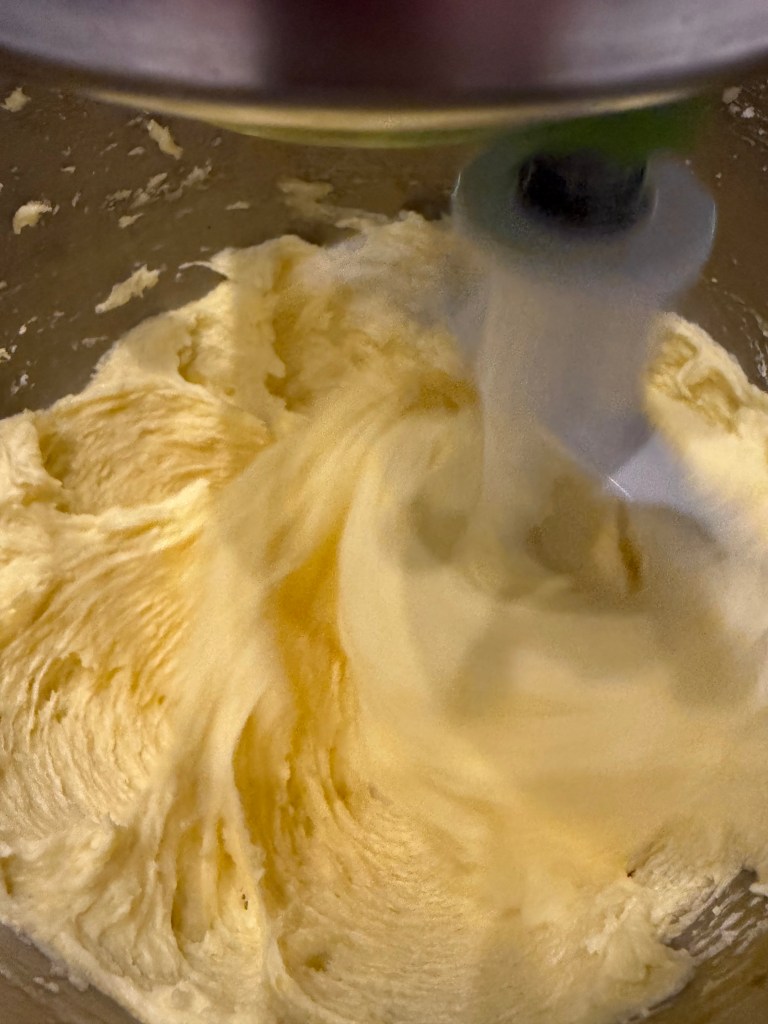
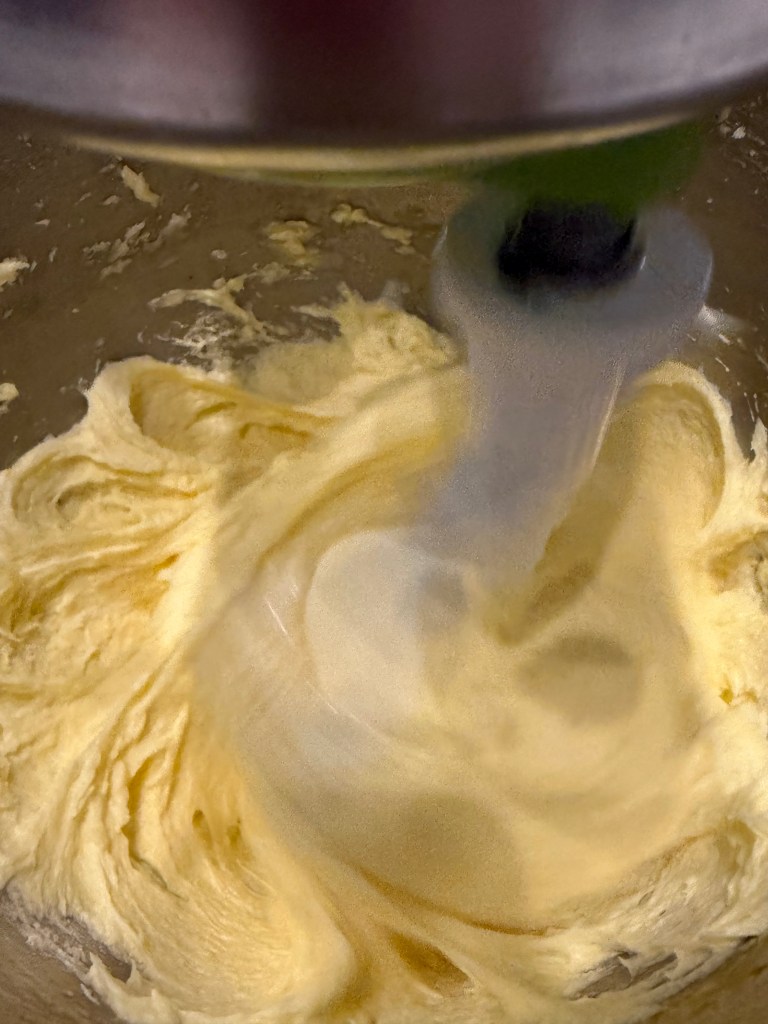
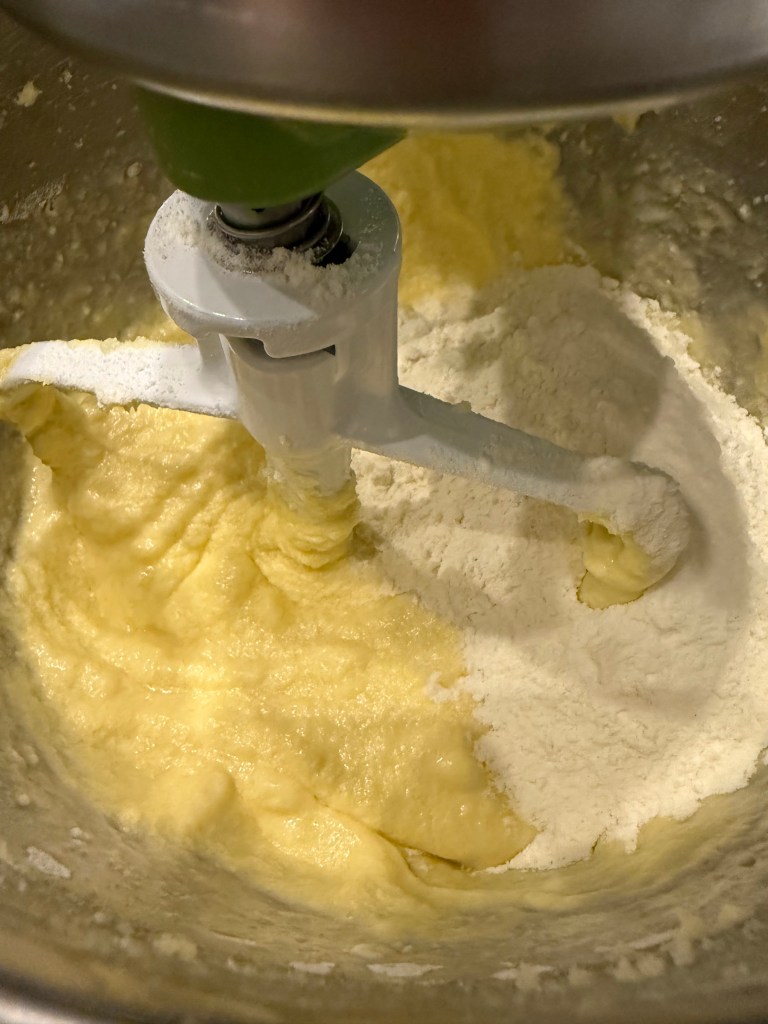
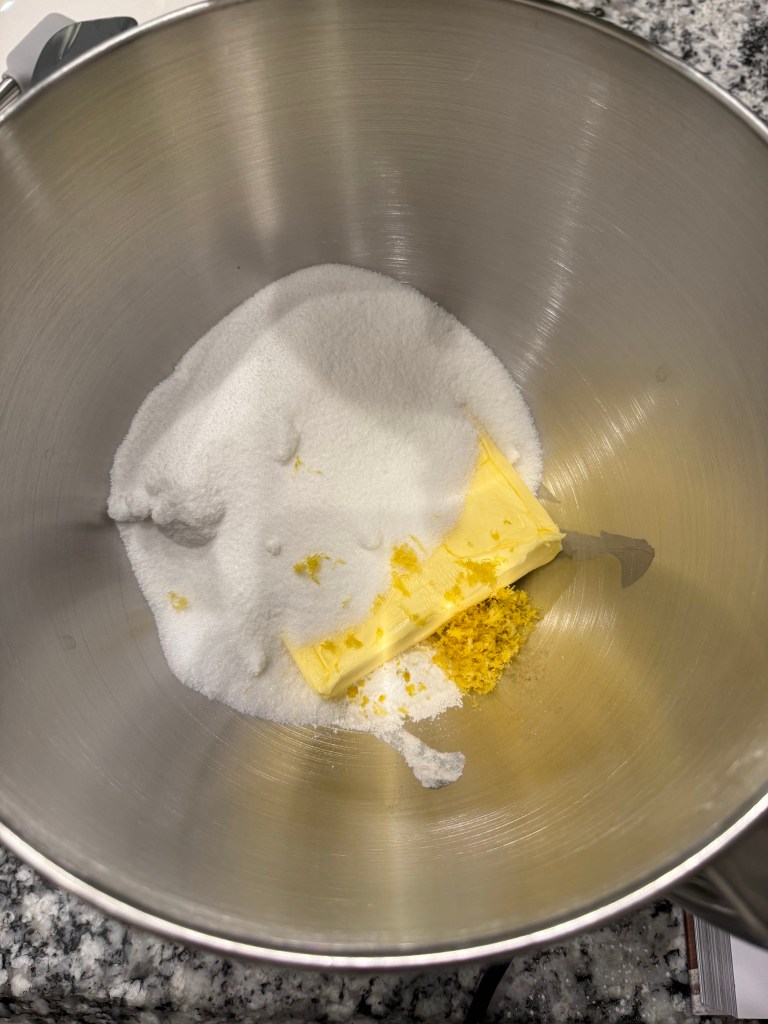
I started by creaming together the butter, sugar, and lemon zest.
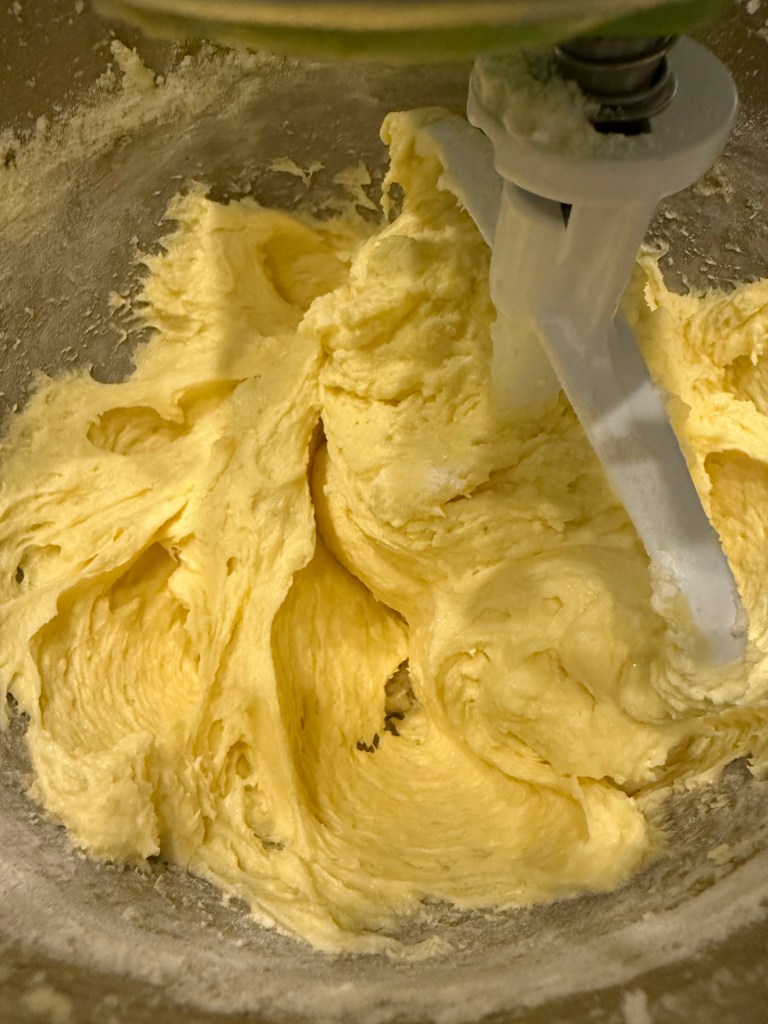
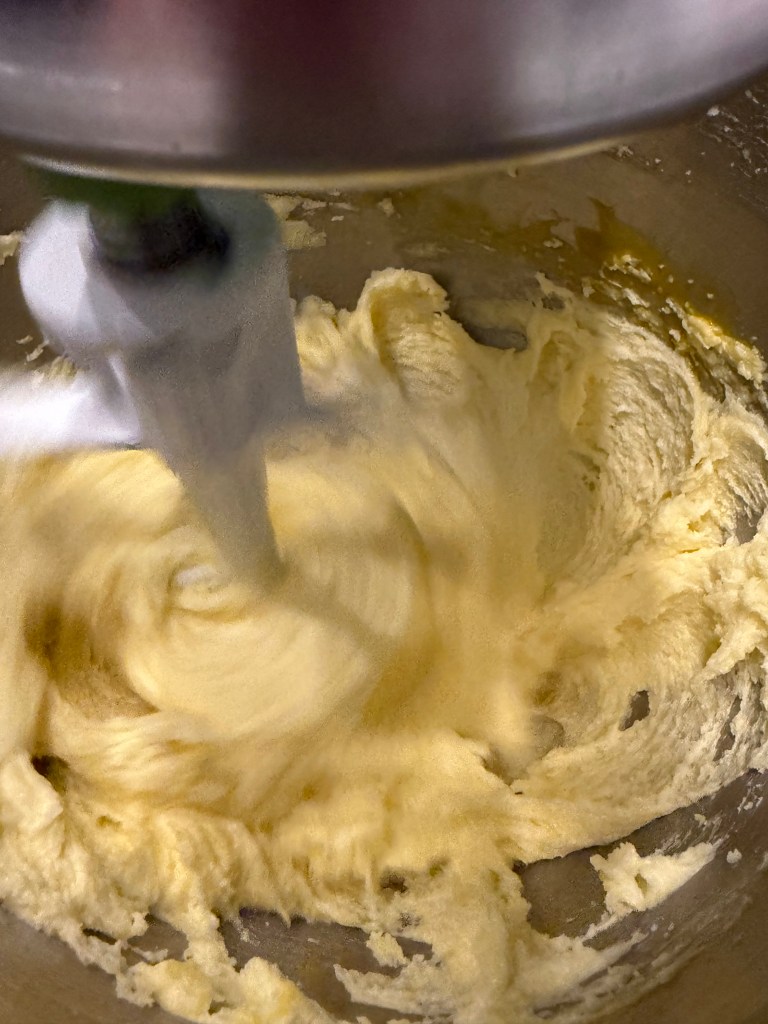
Then I added the eggs one at a time, beating each one in before adding the next.
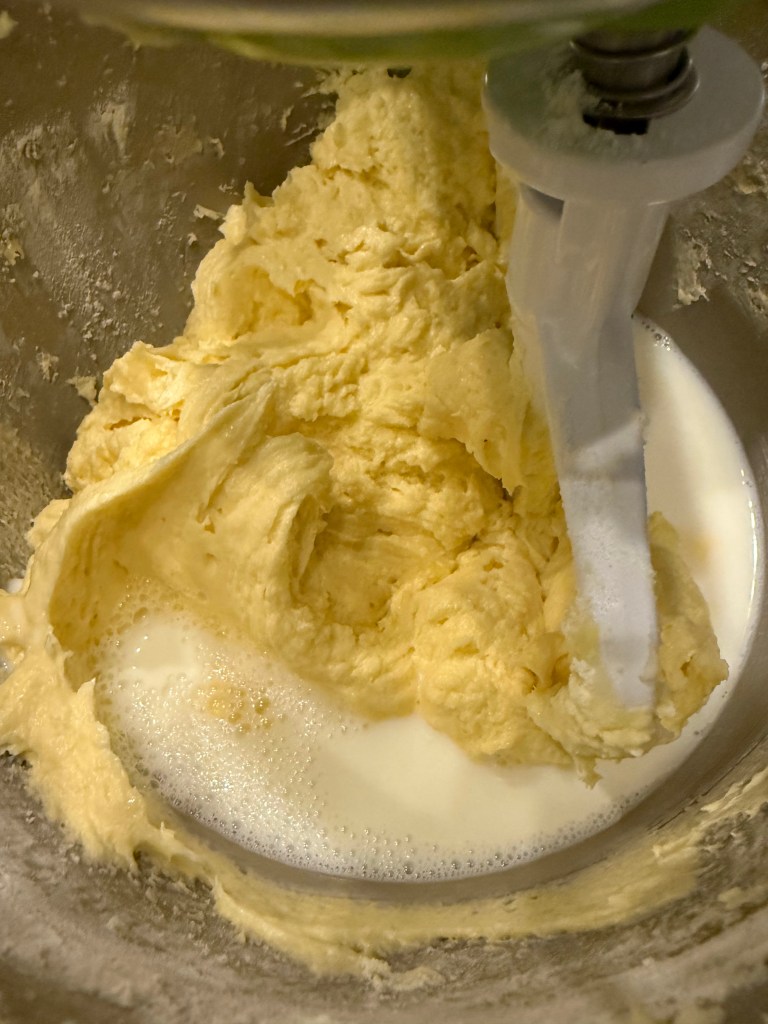
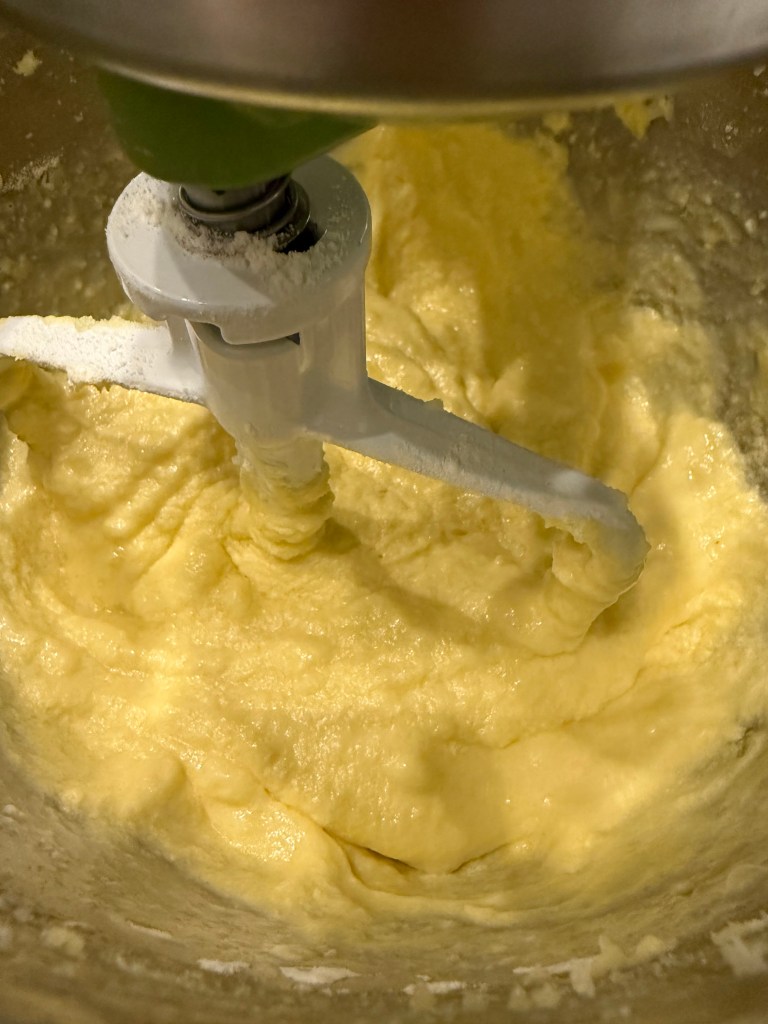
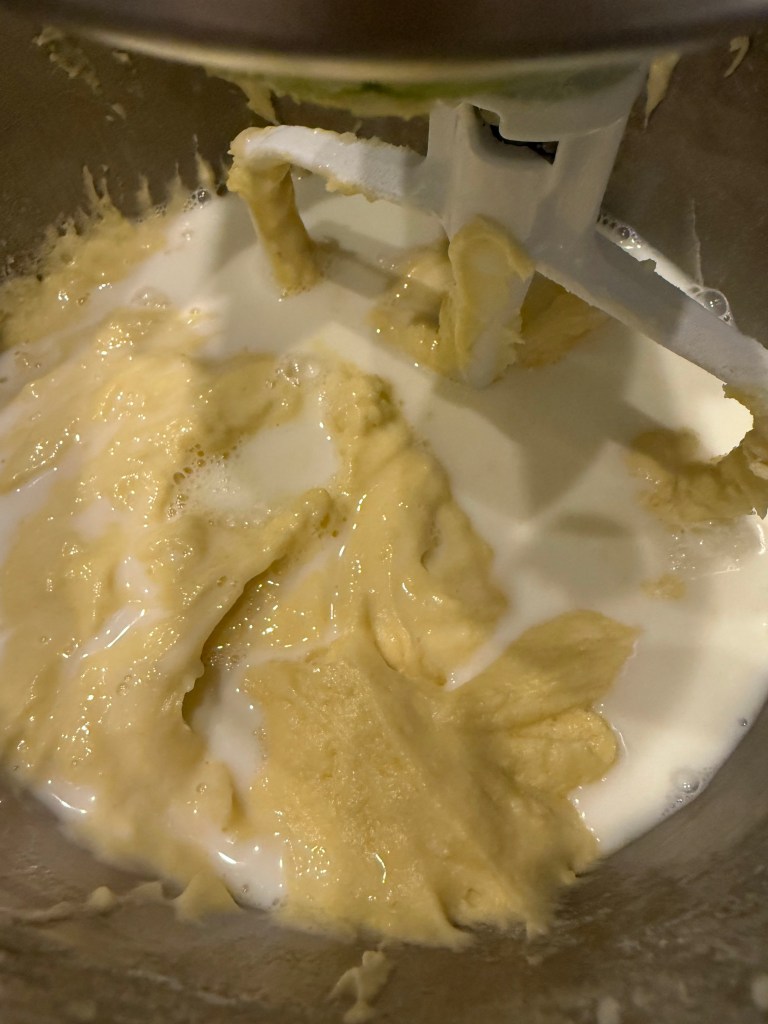
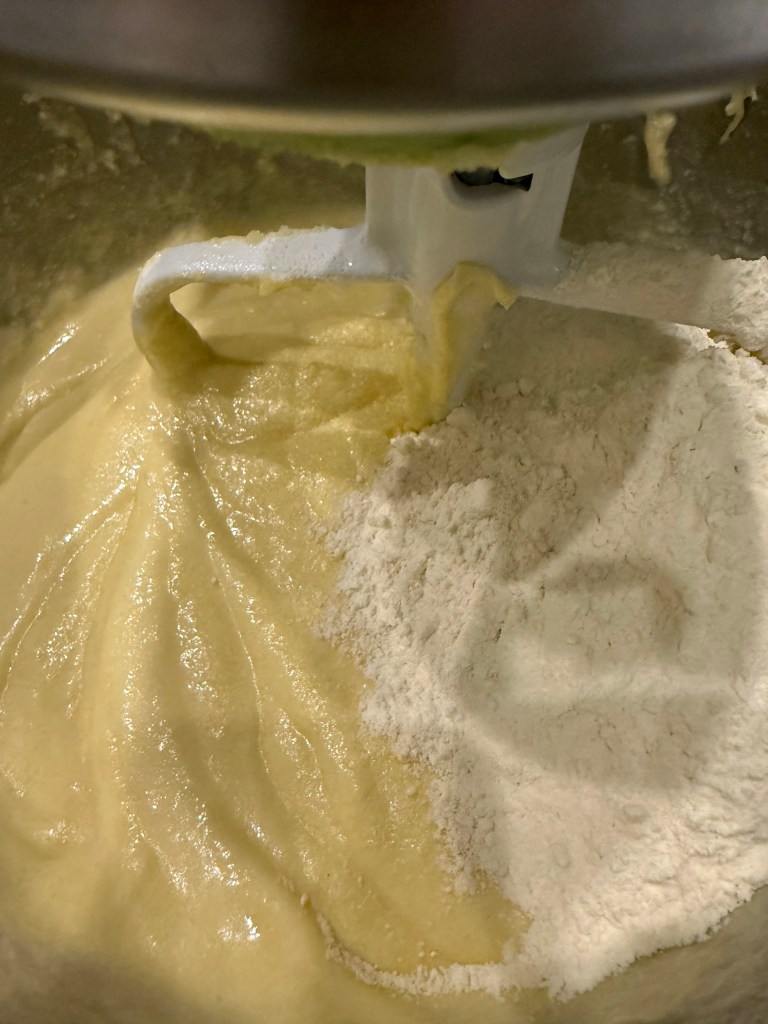
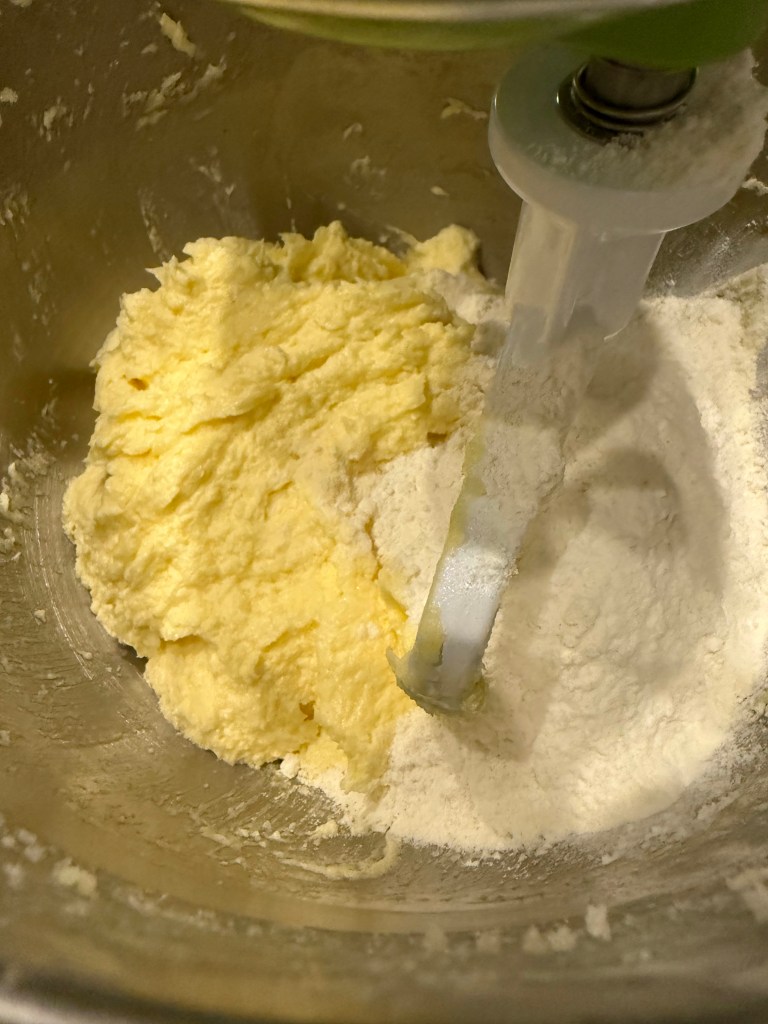
Next, I alternated stirring in the flour and the milk.
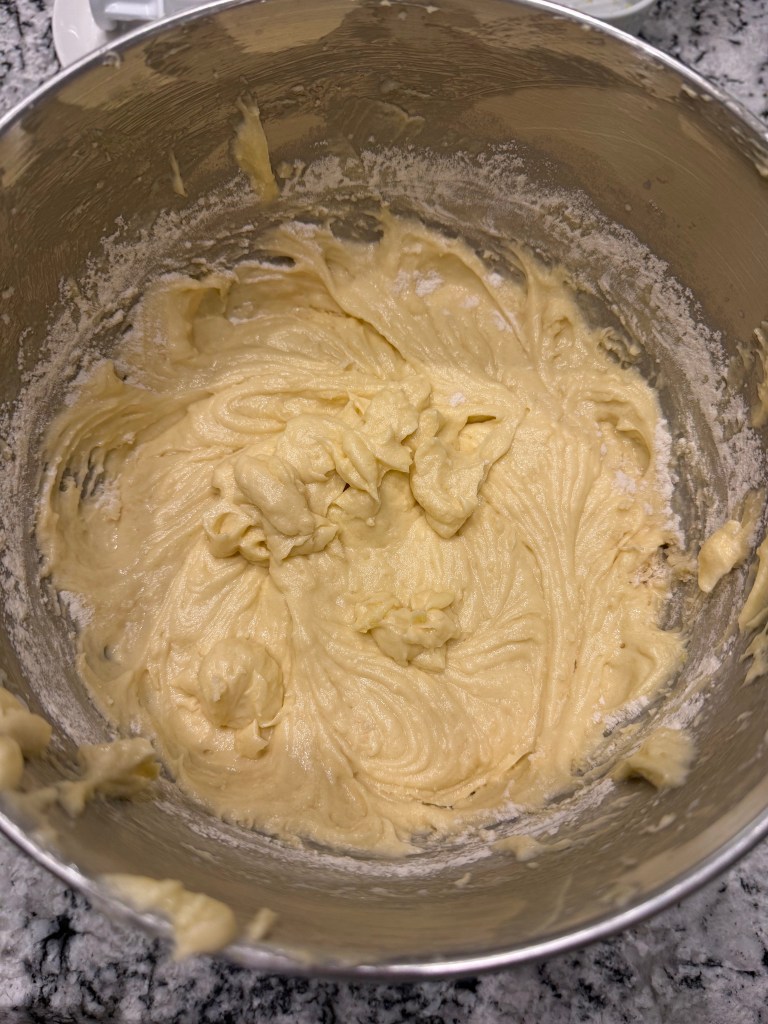
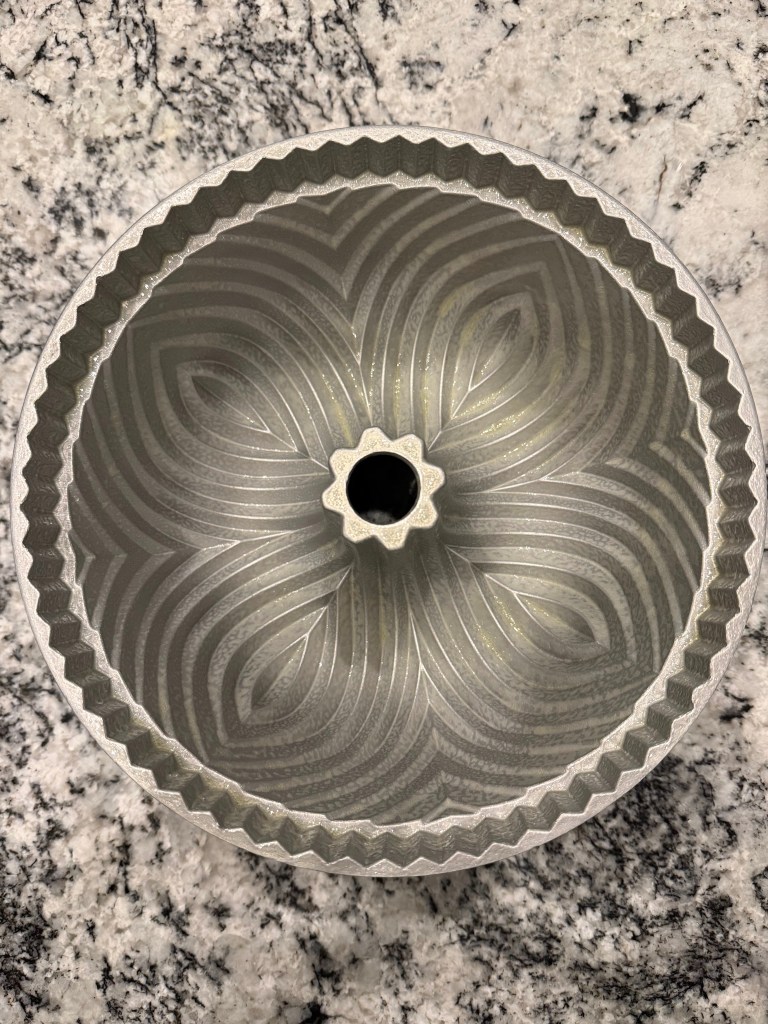
With my batter ready to bake, I prepared my bundt pan. Normally I would prepare the pan before mixing my batter. I typically use the classic method of generously buttering the pan with a pastry brush and then flouring the pan, but the book suggested that I could merely spray the pan with oil liberally just before scooping the batter in and all would be well. I was skeptical, but I’ll try anything once.
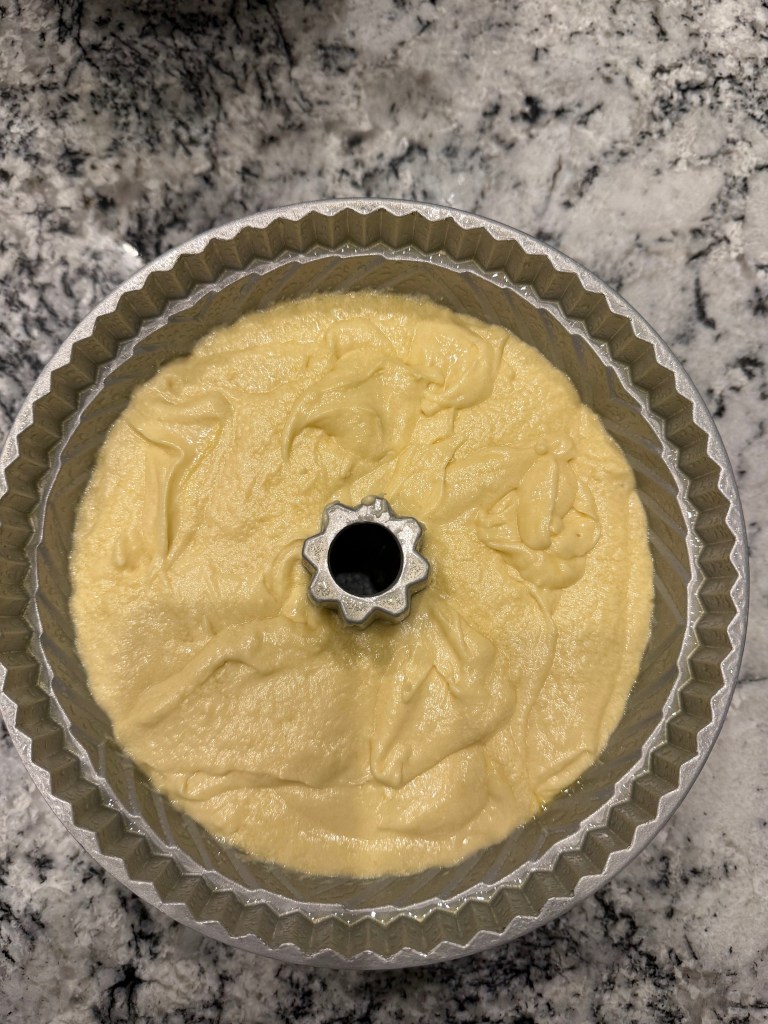
I put my cake into the oven and watched as it baked. It all looked good for the first 20 minutes, but then the center of the cake began to dome upwards. I watched helplessly. There was nothing I could do but wait for the cake to be finished baking.
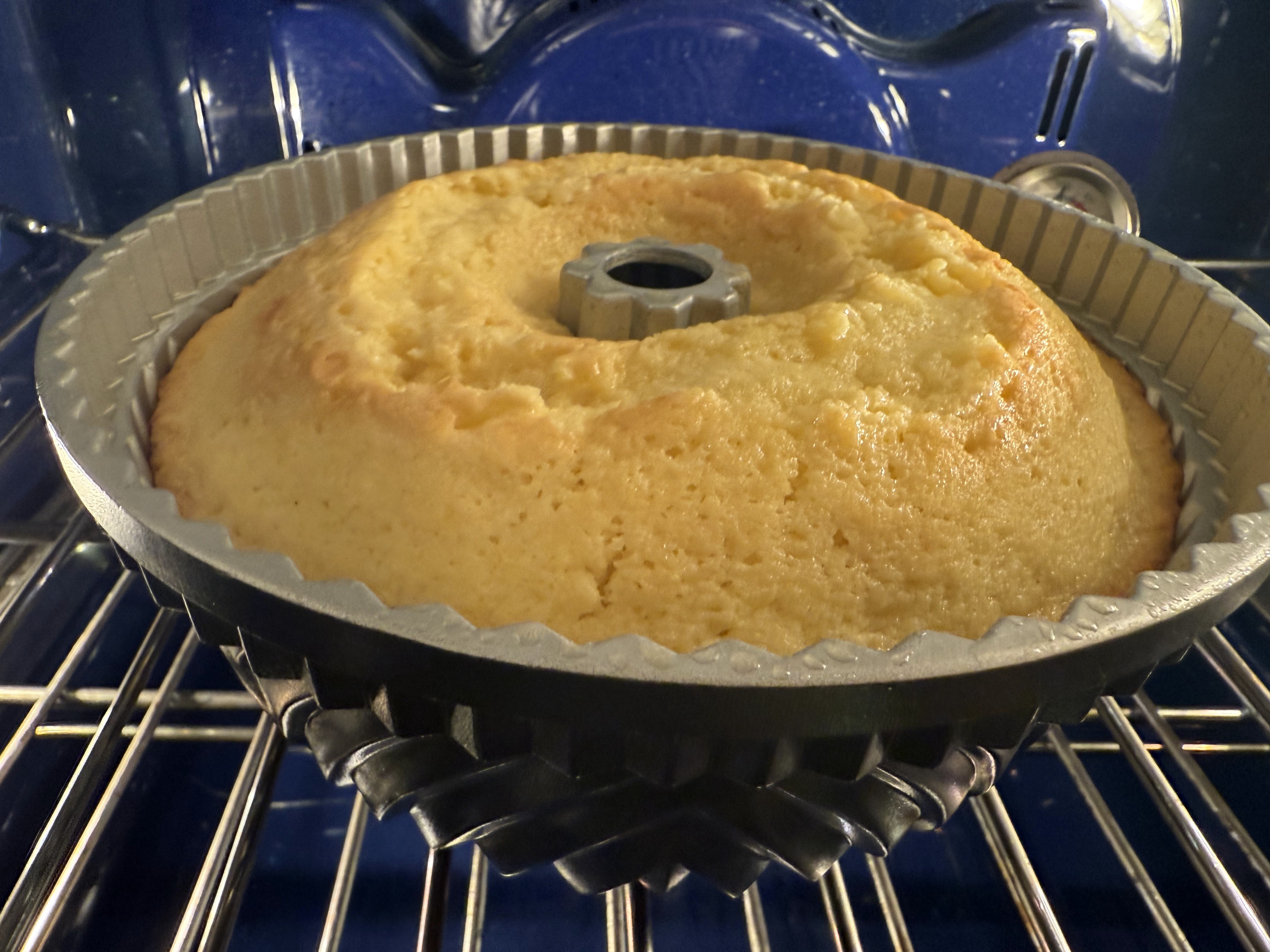
The recipe said the cake should take 40 minutes to bake, but mine was in the oven for over an hour before the cake tester came out clean.

I let the cake cool in the pan for 10 minutes as recommended, then attempted to get it out of the bundt pan. Friends,it was stuck in there. With the cake still warm I couldn’t get it out of the pan without completely mauling it, so I took a page out of the angel food cake recipe and flipped the cake-in-the-pan over on a cooling rack to cool with the hope that gravity would assist me. Unfortunately, this did nothing. I ended up using my least rigid spatula to pry the cake away from the pan once it was fully cooled. It was not my best moment, but the cake still looked alright, so I whipped up the glaze.
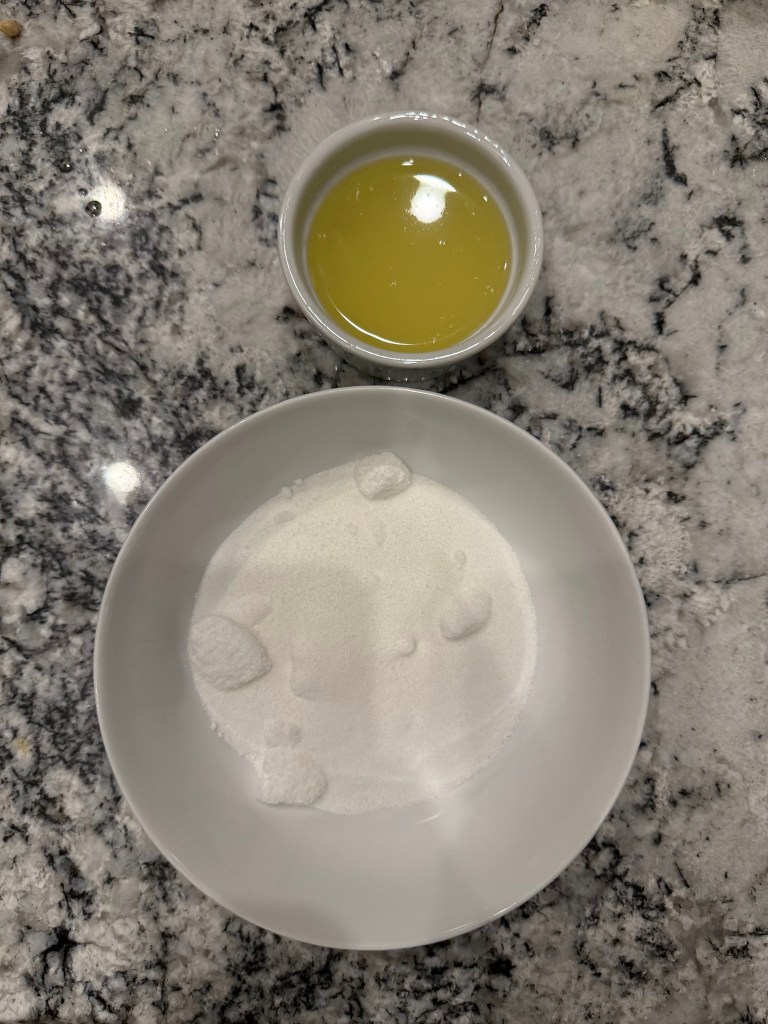
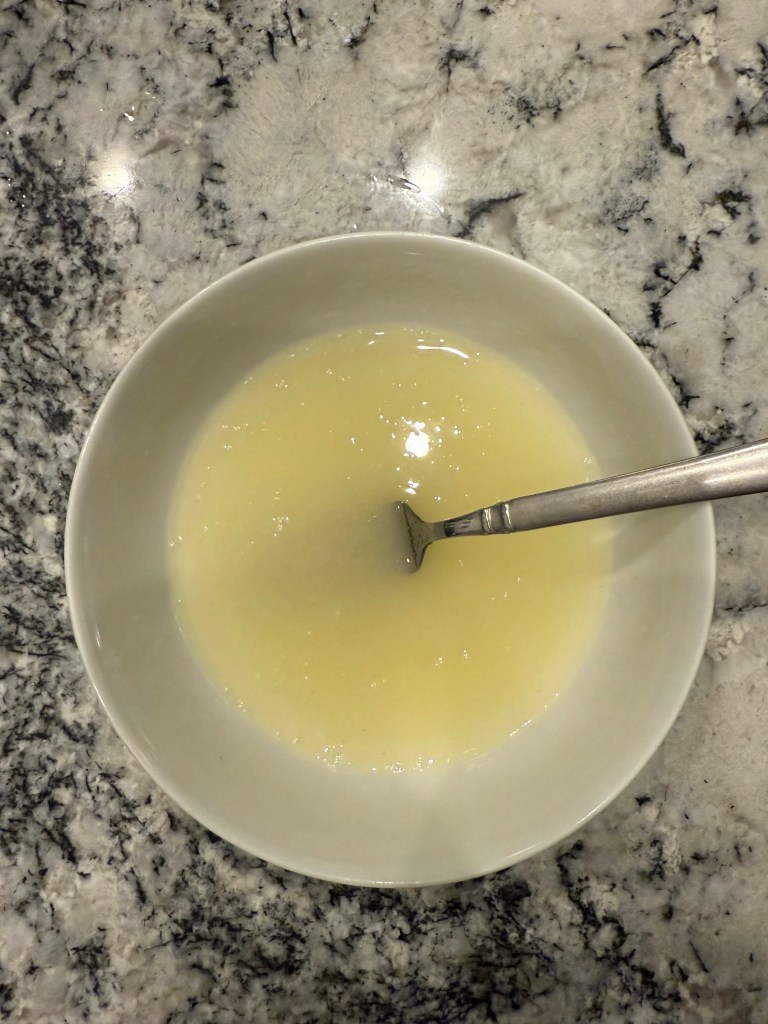
Before plating the cake I cut off the domed portion to help it sit flat on the plate. I drizzled the glaze over the cake, then wrapped the whole thing up to take to a meetup with some friends.
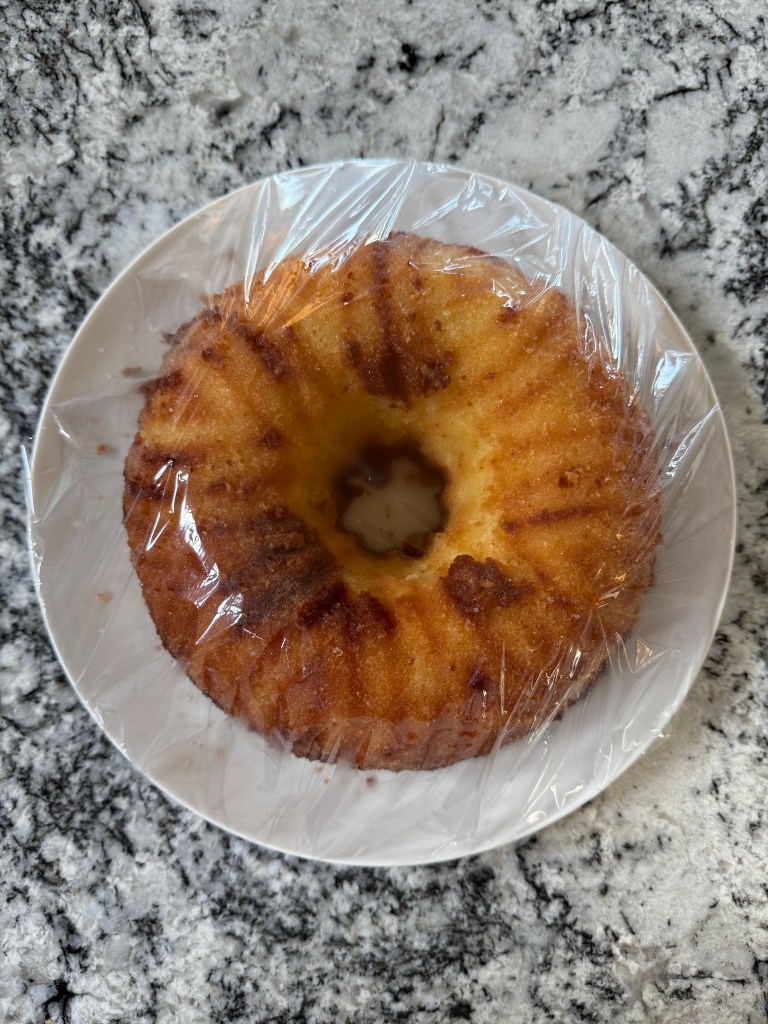
My friends declared the cake to be delicious. They had no idea of the fight I had just had with it. I agree it was a good cake. Lemony, but not overwhelmingly so. Sweet, but not too sweet. Very tender, and not dry in the least. I would absolutely make this cake again, but I would go back to the tried-and-true method of buttering and flouring the cake pan, and I would lower the oven temperature in an attempt to avoid the doming I got with this cake.

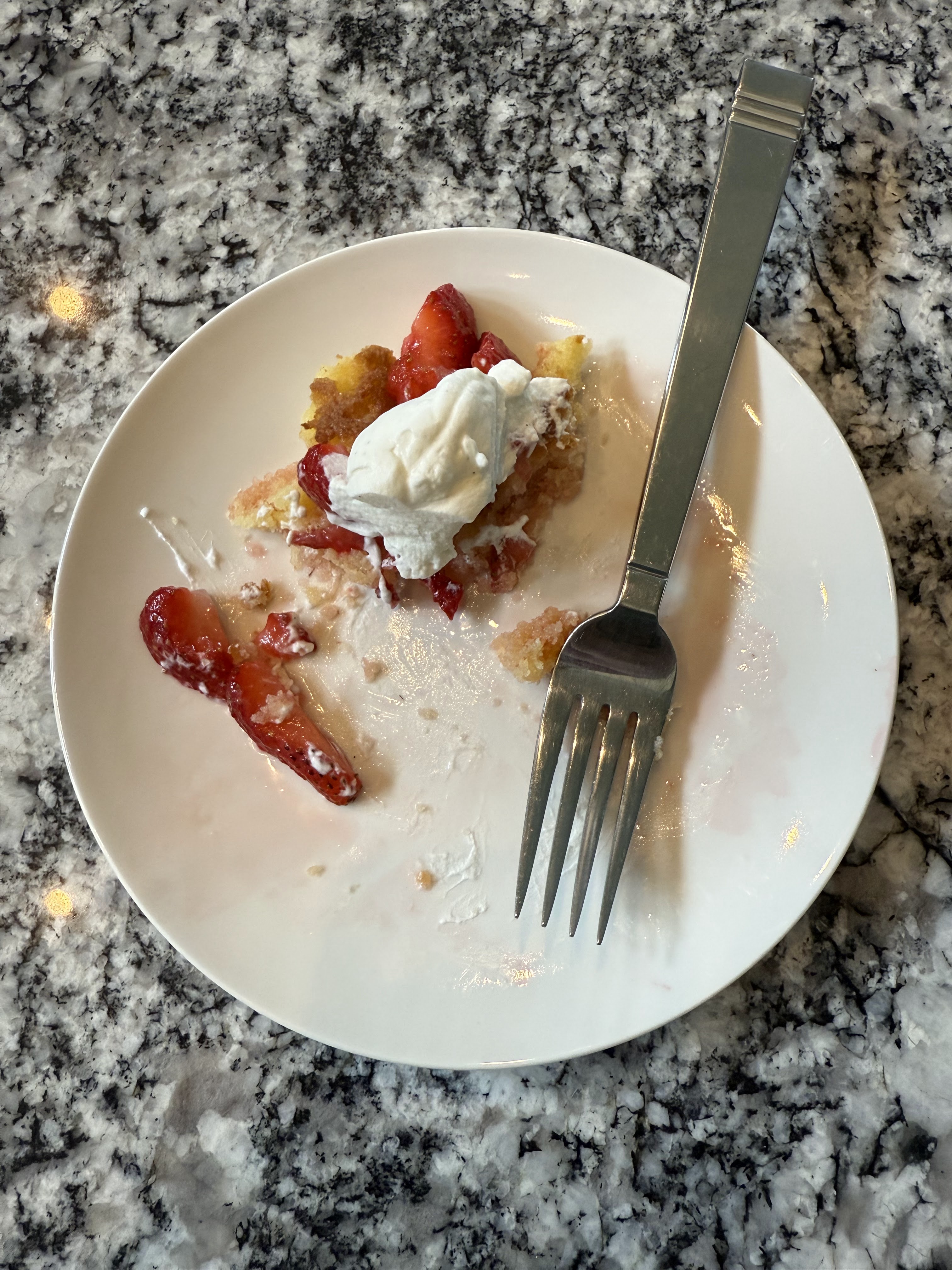
Lastly, this cake makes excellent strawberry “shortcake”. This was a great way to use up the leftover cake trimmings.
Until the next time: may your yeast always rise and your flour never run out
The Secret Ingredient for Perfect, Fudgy Brownies

Several years ago I found a copy of Whole Grain Baking by King Arthur Flour at a thrift store. I immediately snapped it up, and I’ve baked several things from the book (the carrot cake recipe is particularly good). Today I wanted some brownies. I found this recipe in the book, and remembered that chocolate and whole grains go together smashingly, so I decided to give it a try. I’m so glad I did.

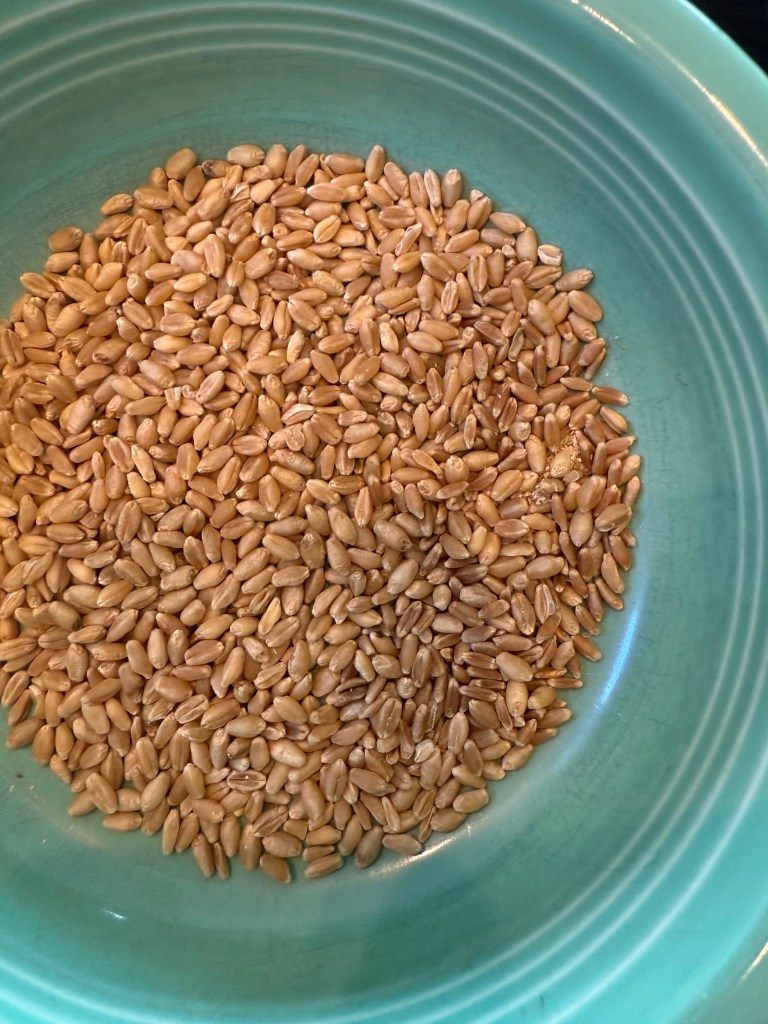
Since these brownies use whole wheat flour, I took the opportunity to grind some wheat berries fresh. I used up the last of my hard red winter wheat and got to open up a new bag of heirloom Turkey Red wheat. I thought the difference in size, shape, and colour between the two varieties of wheat was fascinating.

I gathered my mise en place:

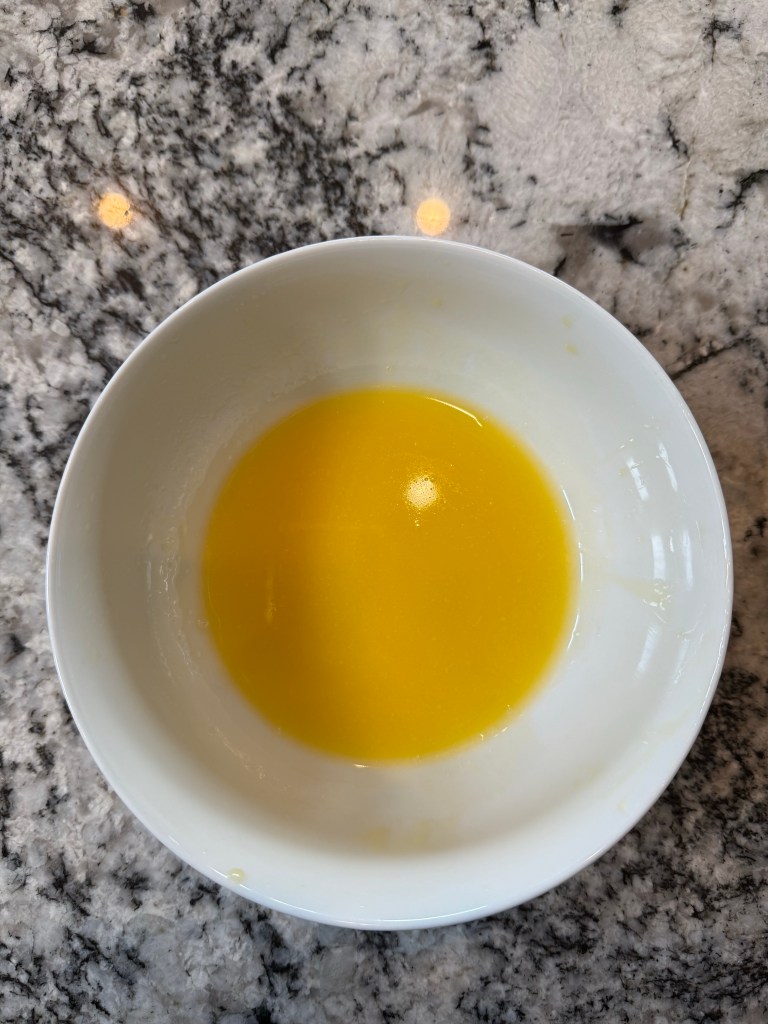
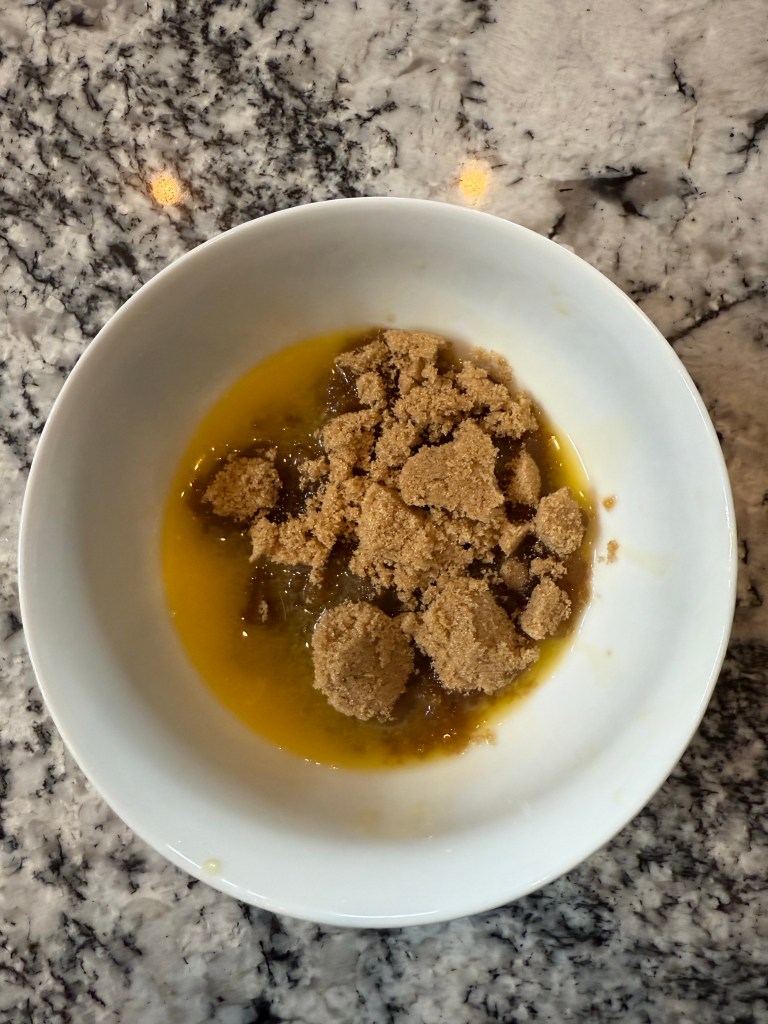
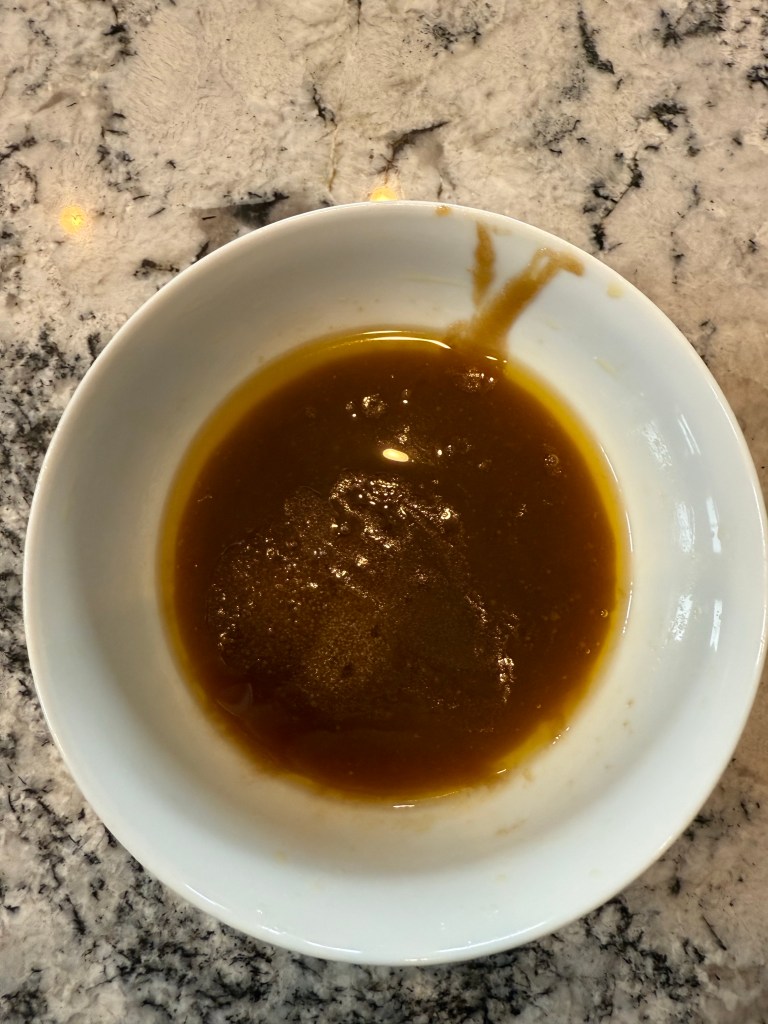
I melted the butter, stirred in the brown sugar, then put it back in the microwave at half power for ~45 seconds until the mixture began to bubble. This second heating step helps the top of the brownies become more glossy during baking.

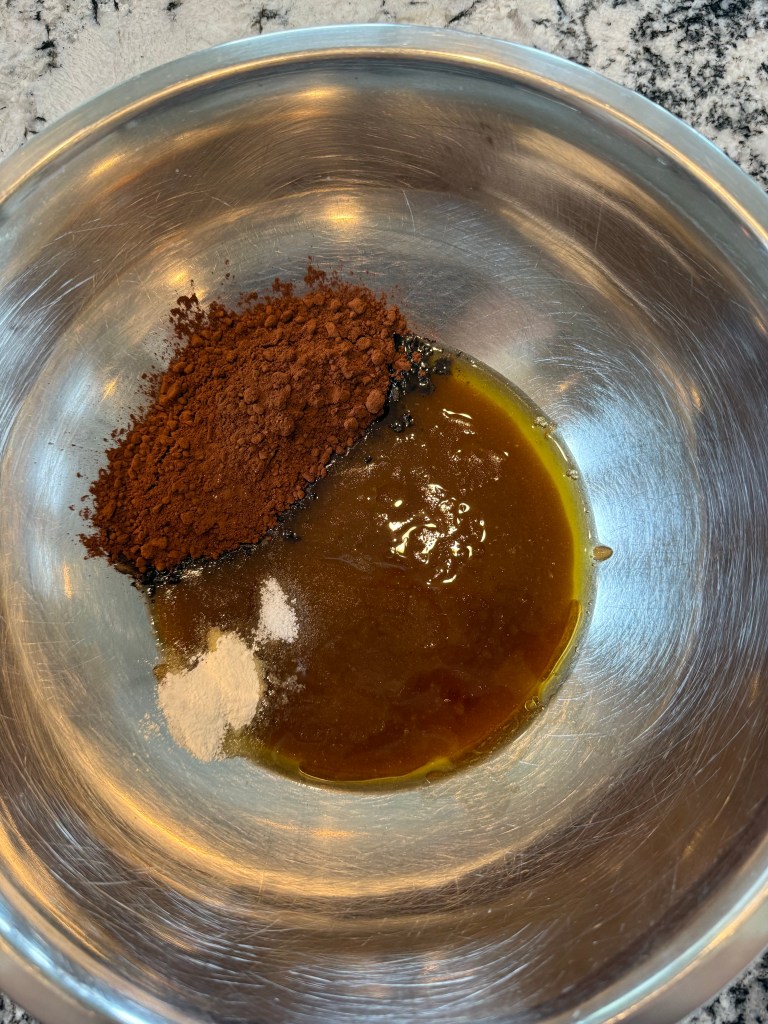
I moved the mixture to a bigger bowl and stirred in the cocoa powder, baking powder, salt, and vanilla. The butter still wanted to ooze out of the batter at this point.
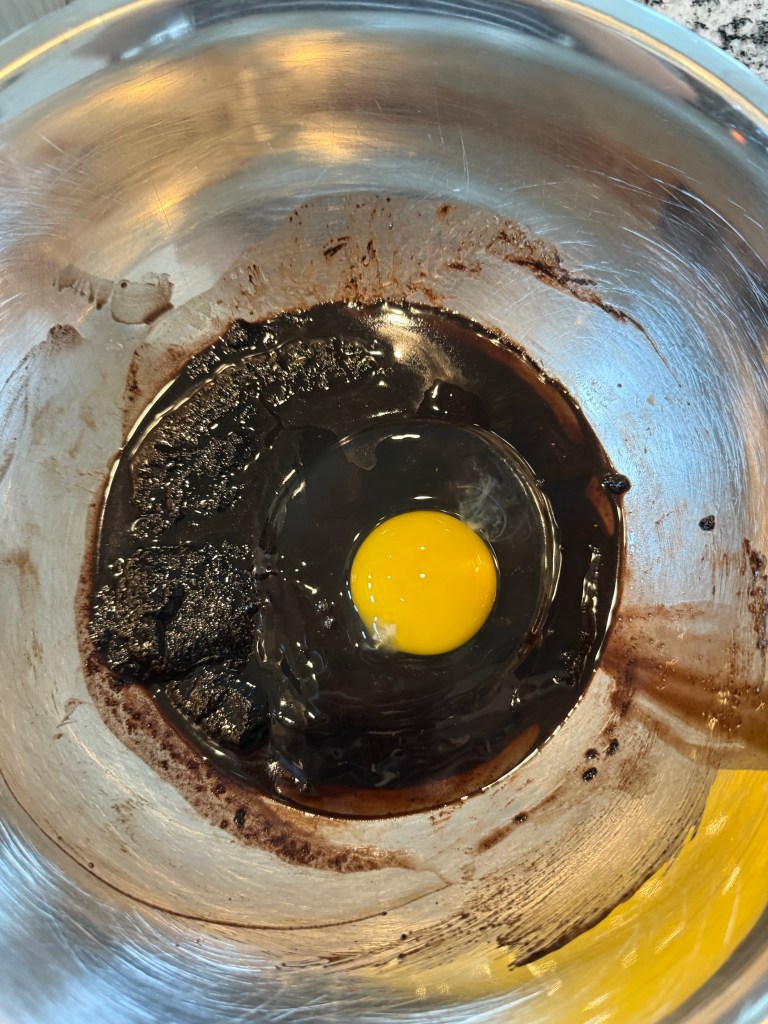
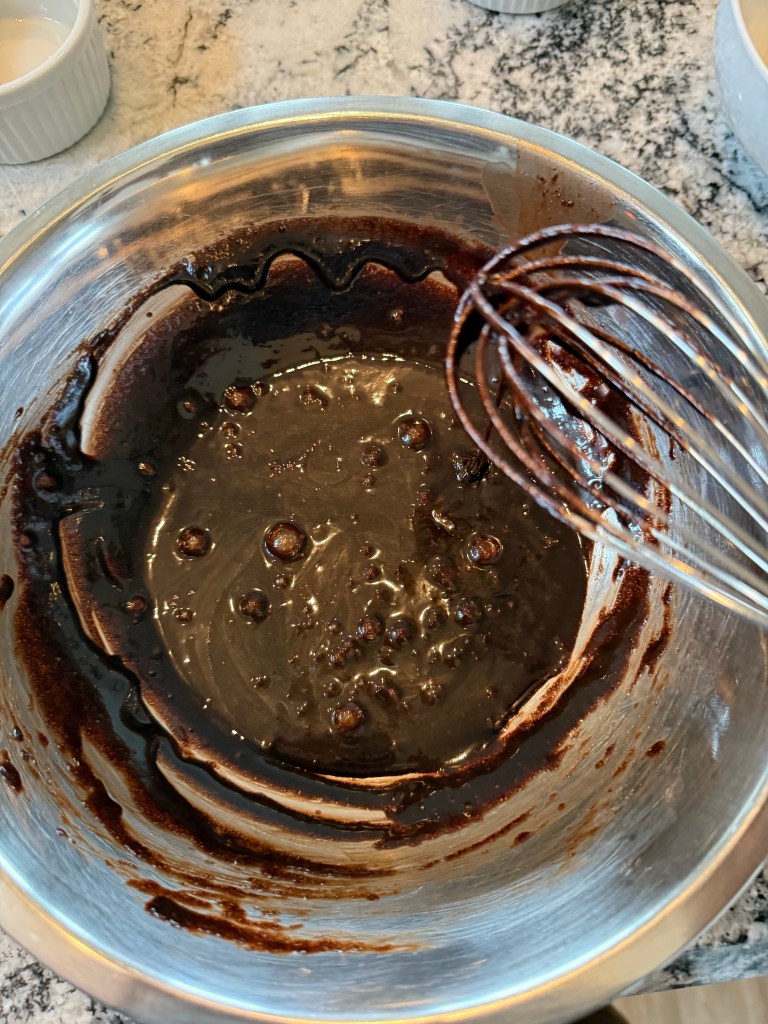
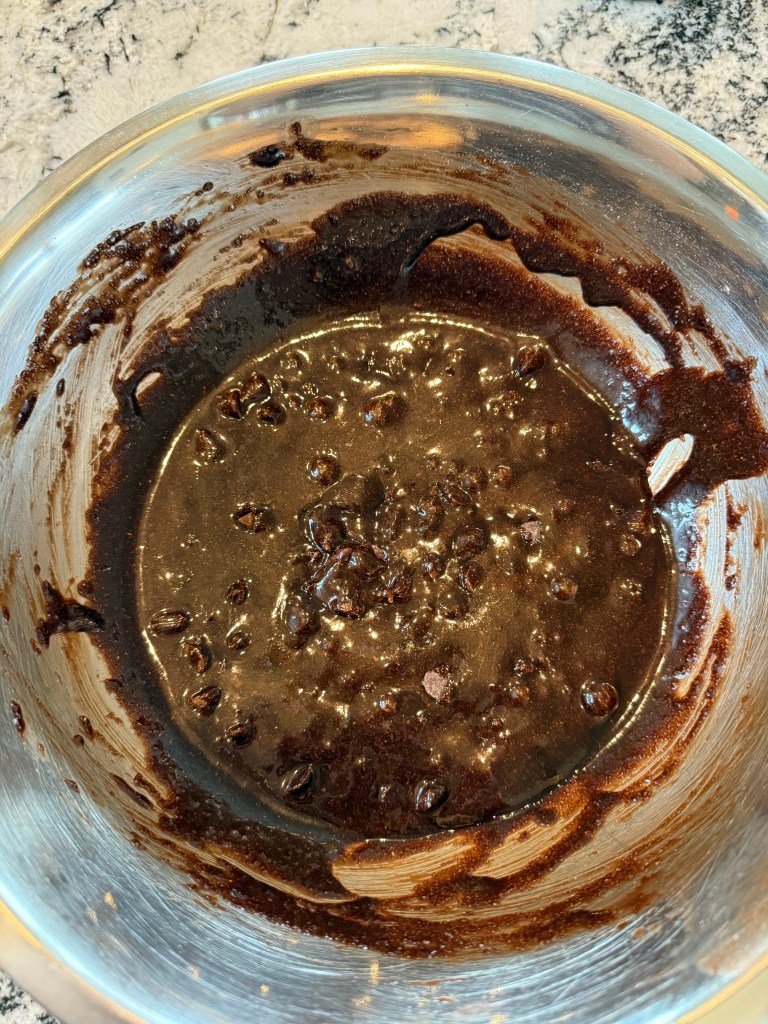
I checked the temperature with my finger before I whisked in the egg. Since this is a very small batter it didn’t need any additional cooling time. It was astonishing how the batter transformed with the addition of the egg. It became beautifully smooth and glossy.

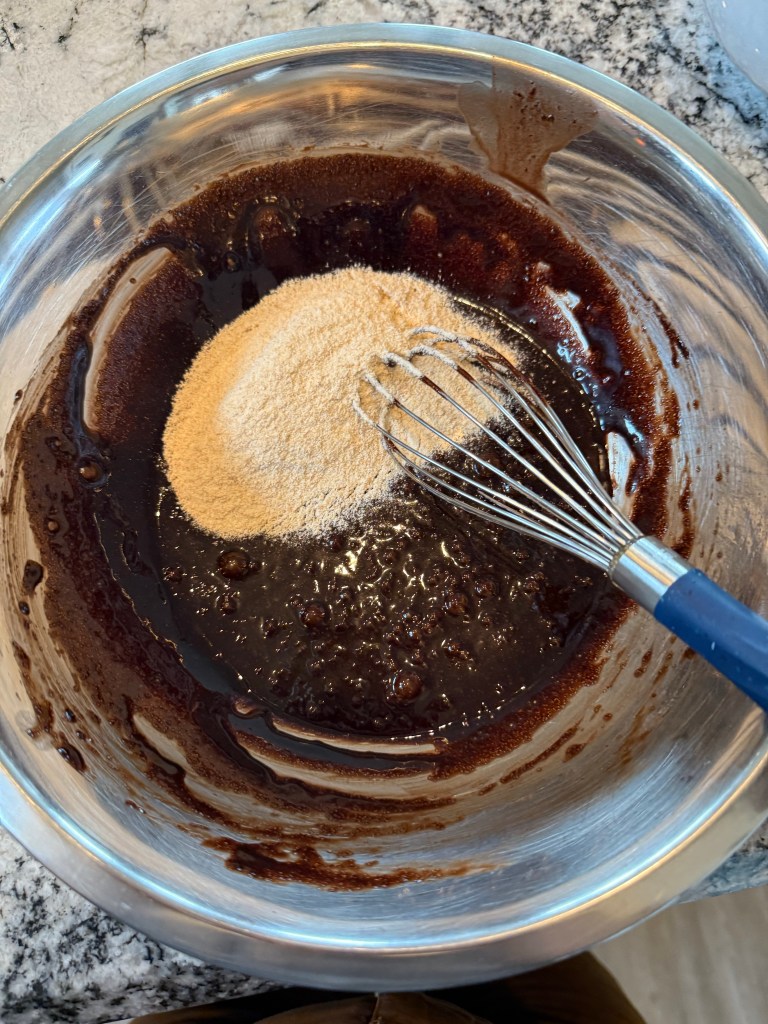
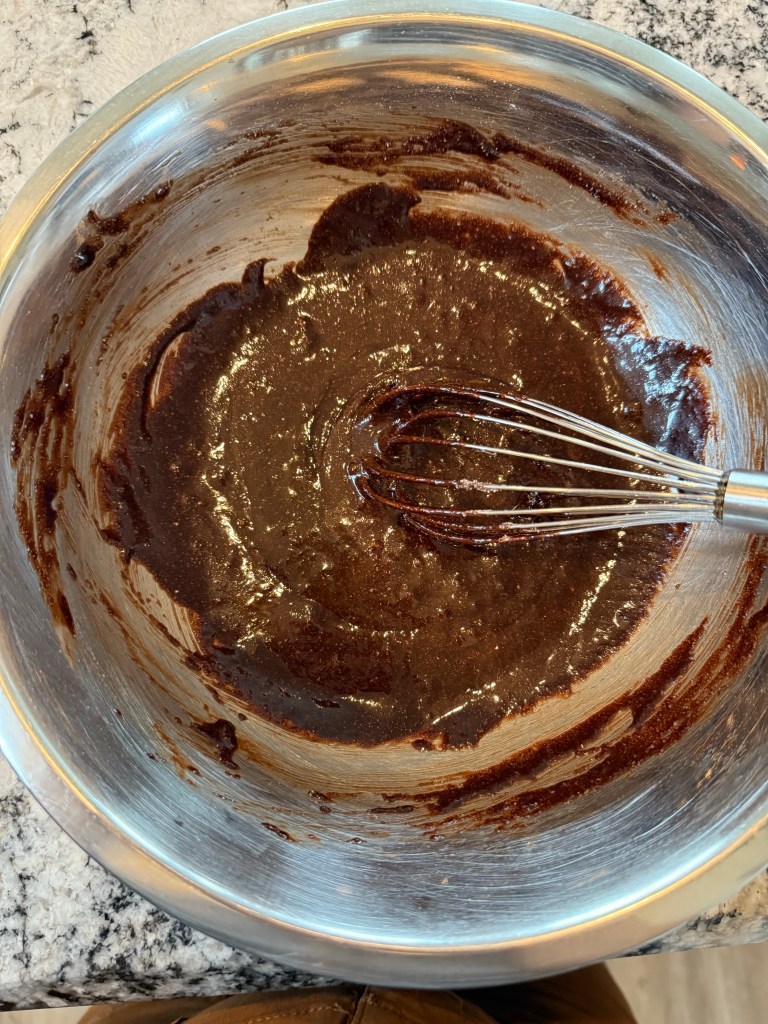
I added the flour and stirred it in, then stirred in the chocolate chips.

I poured the batter into an oiled pan, then put it into the oven.

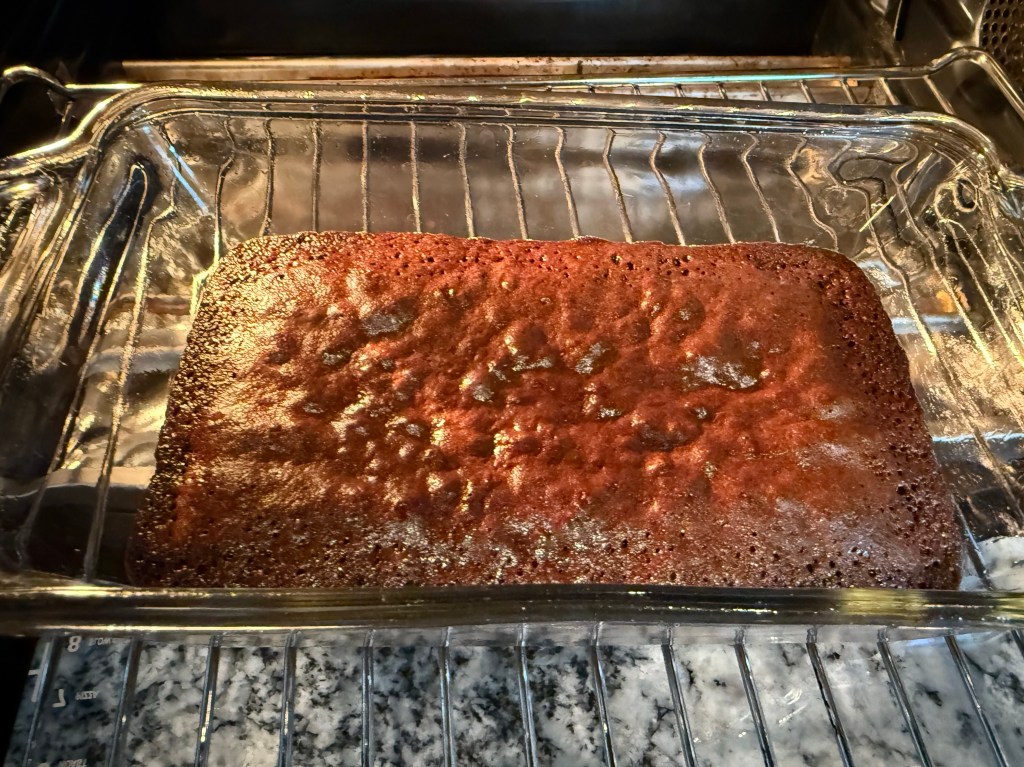
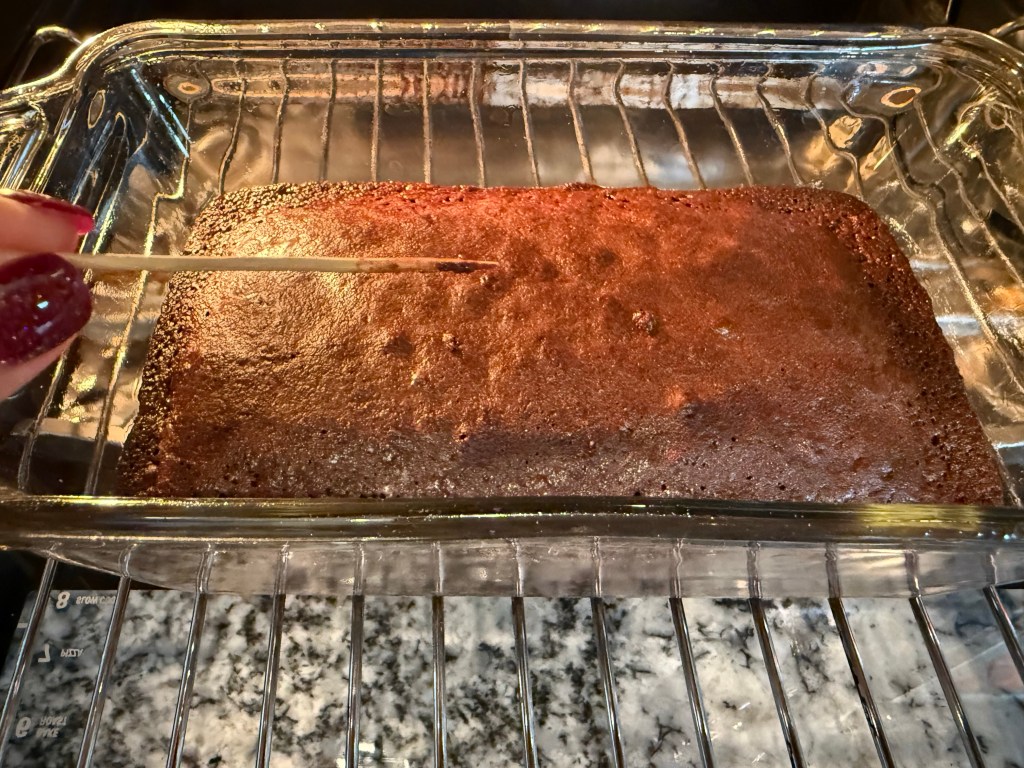
I baked the brownies at 350 degrees Fahrenheit for 20 minutes, then tested for doneness. They needed more time.

5 minutes later, it was looking better, but still needed a few more minutes.

3 minutes later the brownies were ready. I took them out of the oven and set them aside to cool.
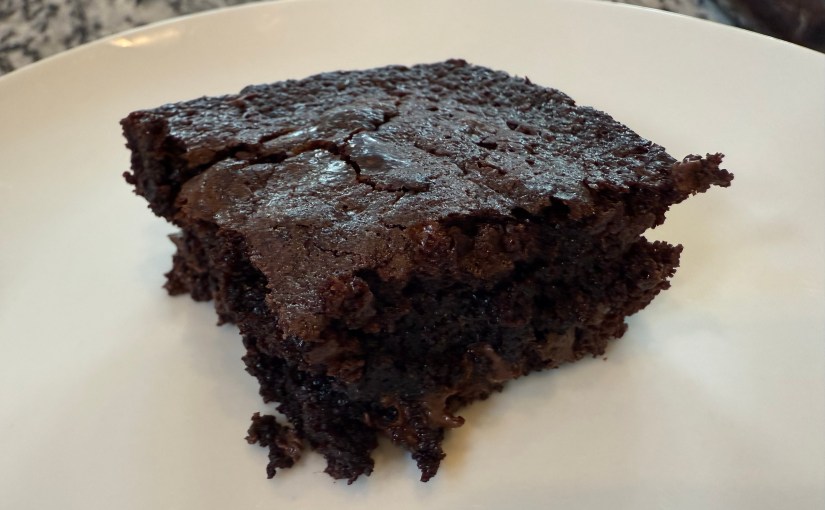
After a 15 minute cooling period, we tried the brownies.

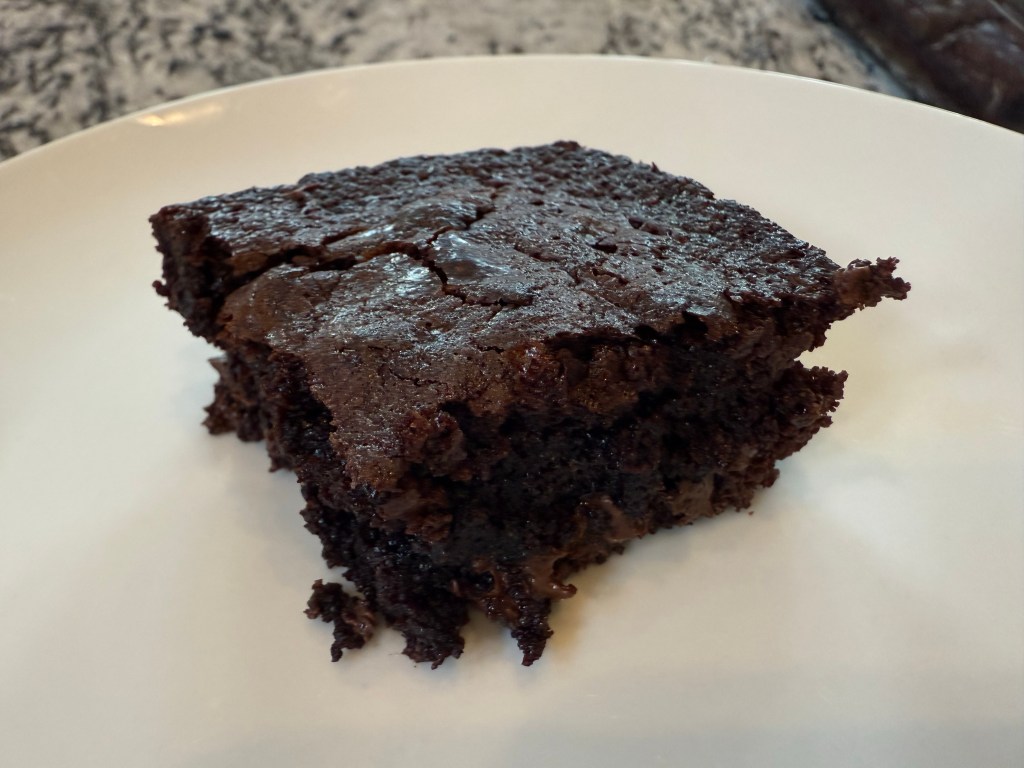
Wow, are these delicious! Deeply rich and chocolatey. Ooey, gooey, and fudgy, but with a substantial texture from the whole grains to balance the fudginess. Sweetness and bitterness are nicely in balance. My husband said these are some of the best brownies he’s ever had. I agree.
Until the next time: may your yeast always rise and your flour never run out.

Baking Baguettes: Tips and Techniques

The last recipe of the first section of the King Arthur Baking School book is Baguettes. Initially I was intimidated by baguettes, but the dough turned out to be pretty straightforward, and the shaping was easier than I expected.

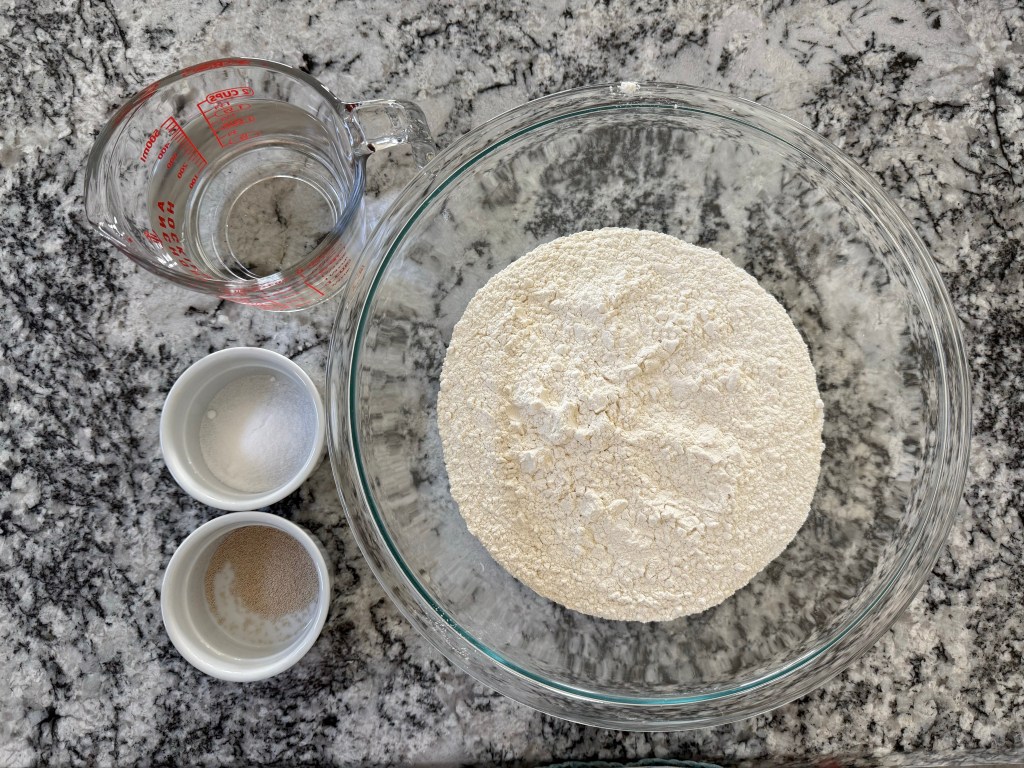
I gathered my mise en place:

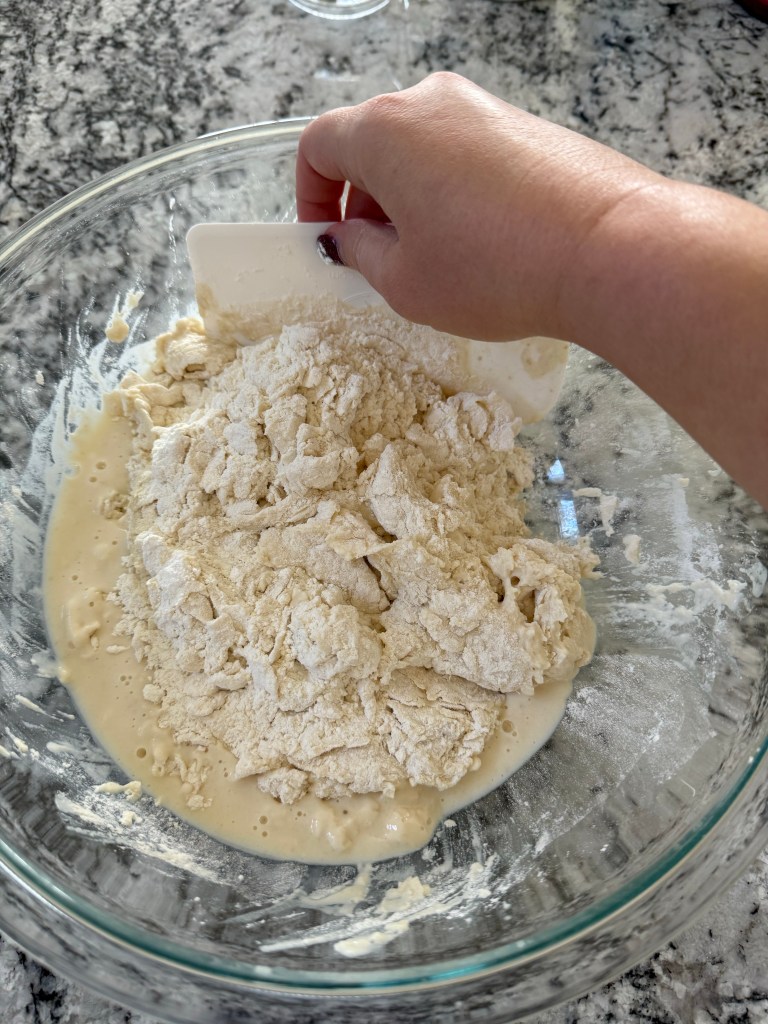
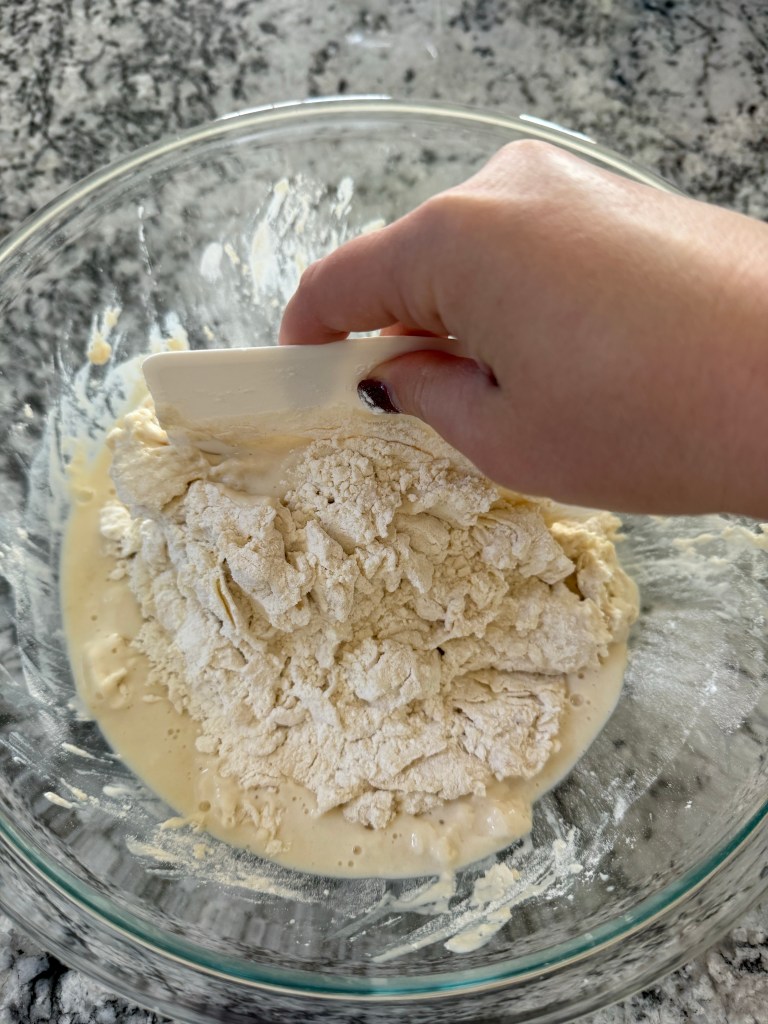
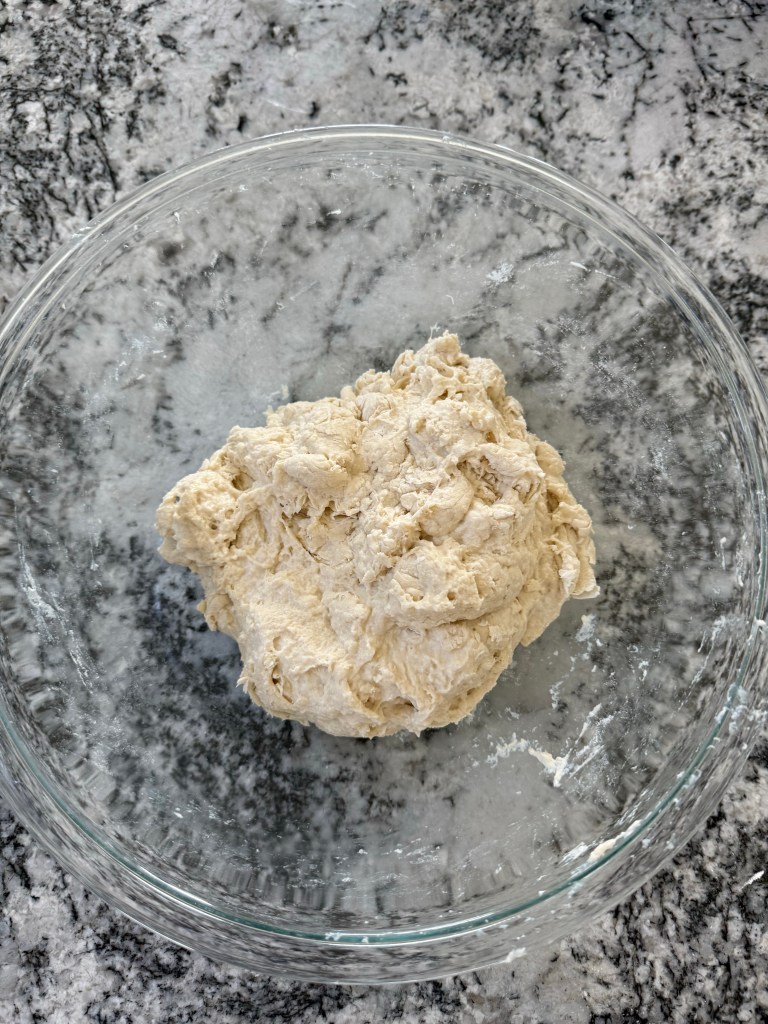
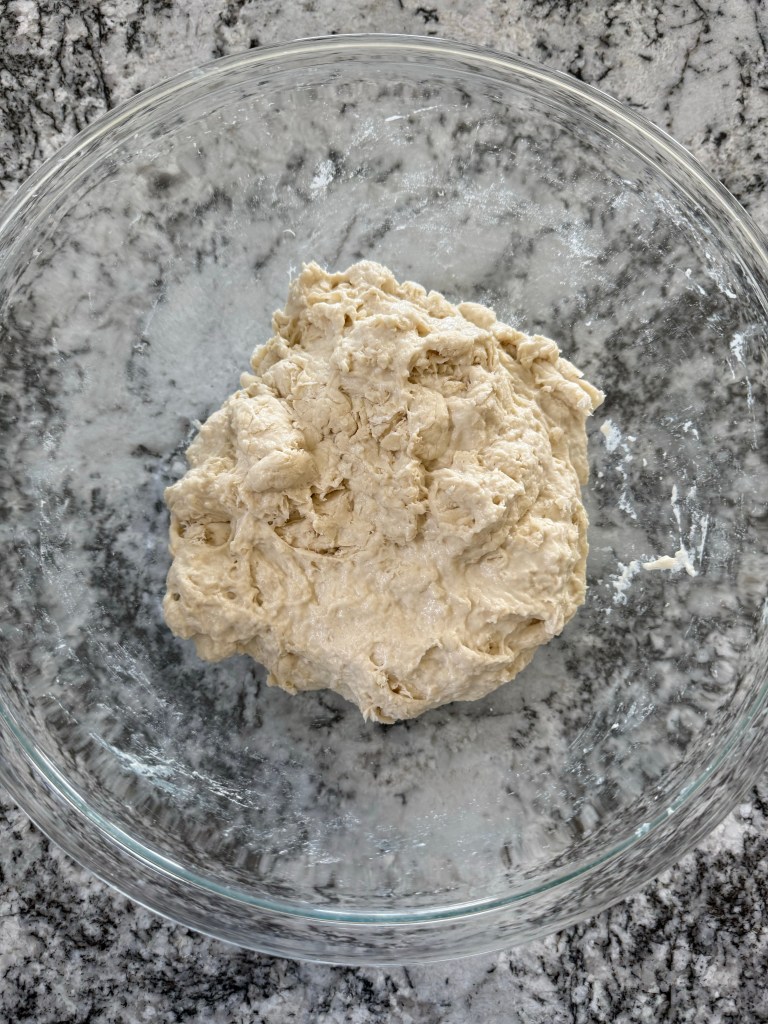
This recipe introduces an interesting method for mixing the dough by using a dough scraper to scrape down the side of the bowl and up the middle, turning the bowl and repeating until the dough is fully mixed. I didn’t love this method as I felt there were some dry areas and wet areas in the dough despite my best efforts. But I’m glad I tried this new method anyway.

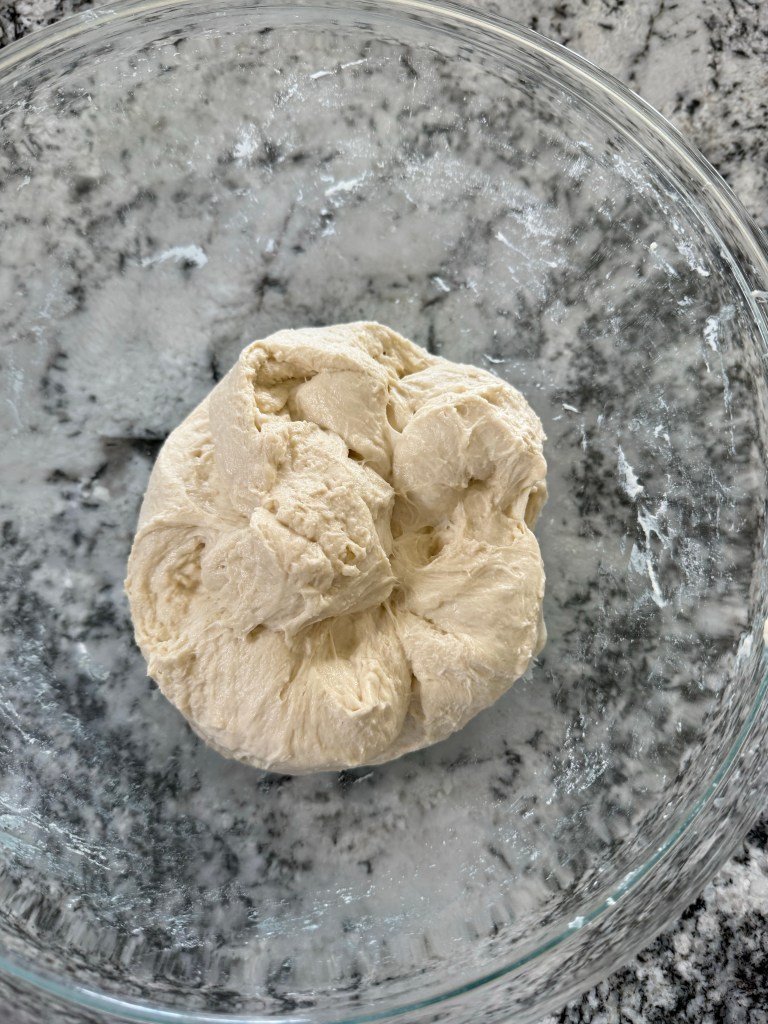
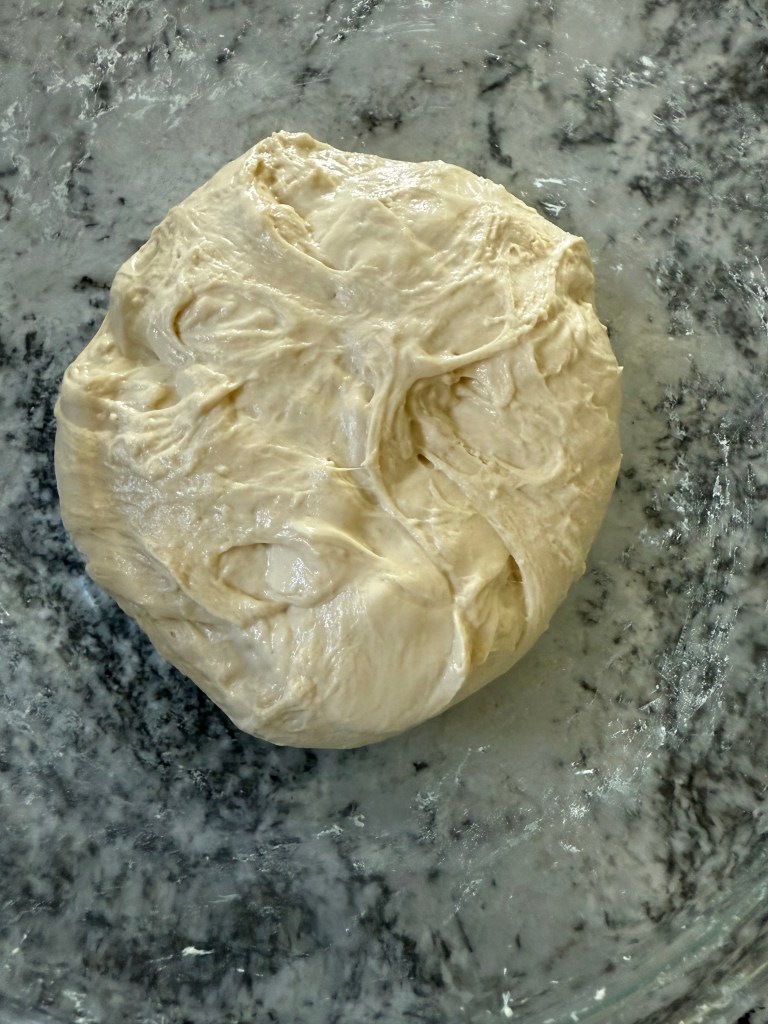
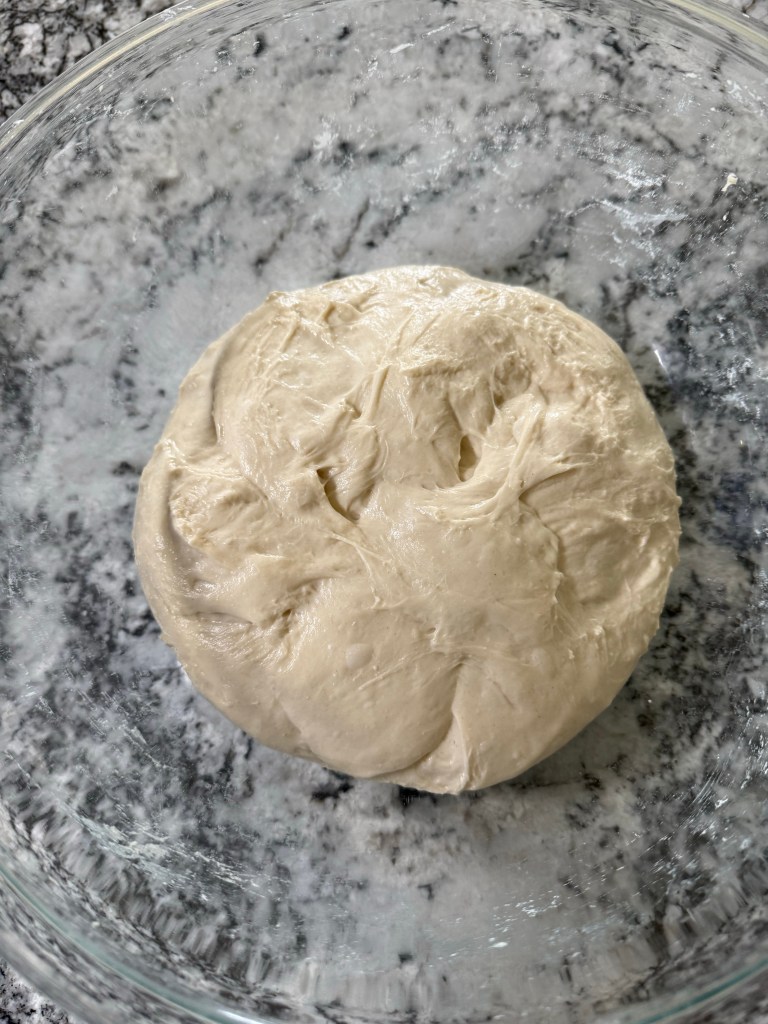
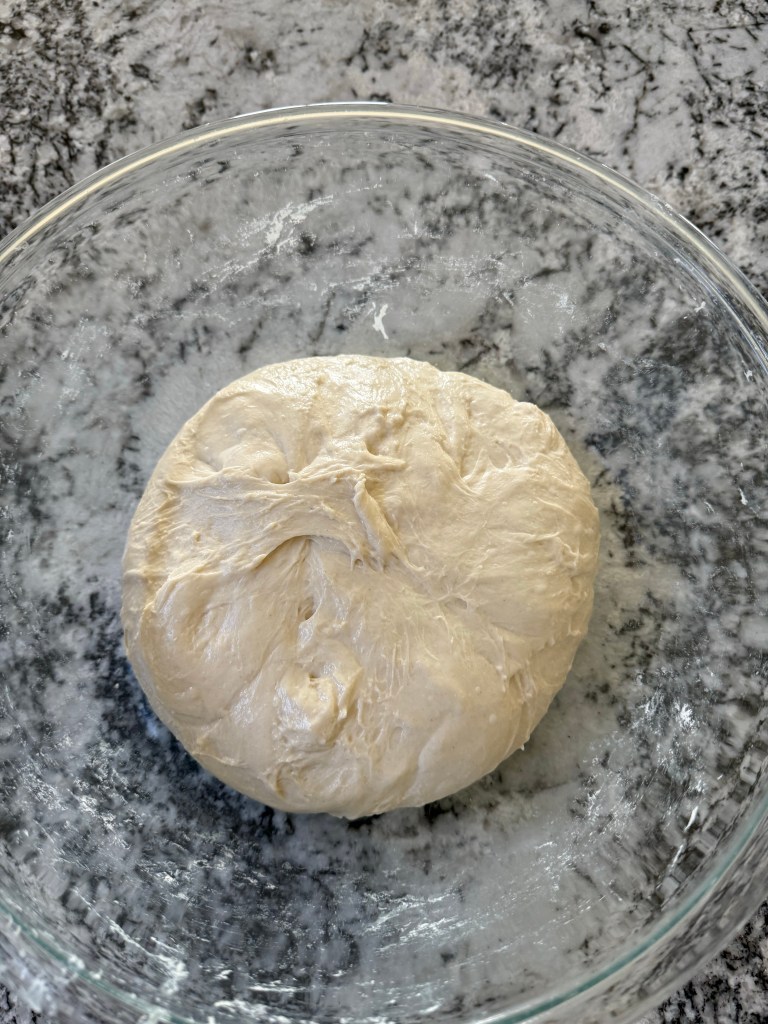
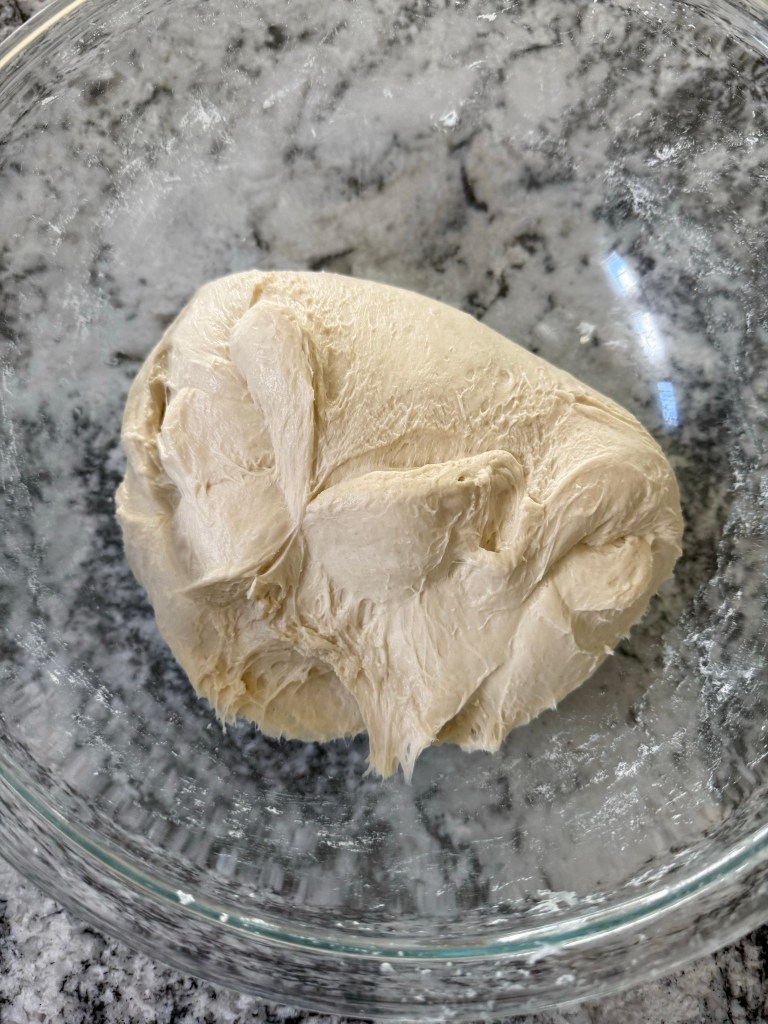
The dough bulk fermented for 3 hours with a fold (also done with the dough scraper) done every 30 minutes. I didn’t love the dough scraper for this job either, as I couldn’t grab the dough to pull it out from the main mass for each fold. I did, however, appreciate the suggestion for 20-25 strokes every half hour. It makes me wonder if I have been under-working my dough when I stretch-and-fold around the circle just once.

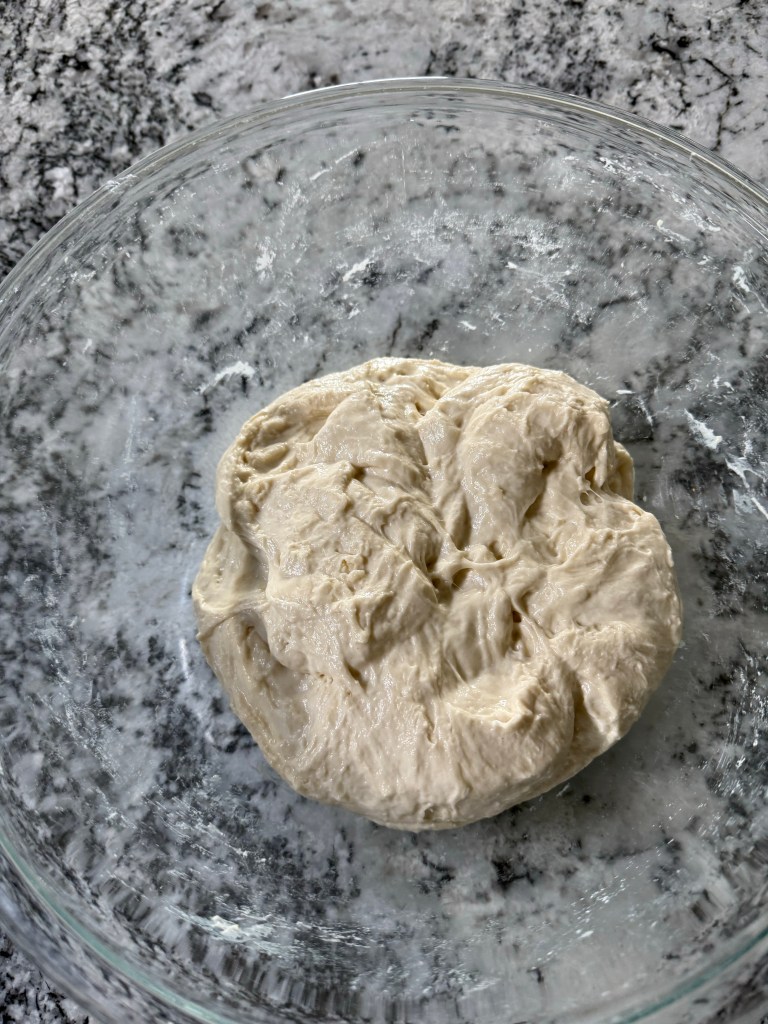
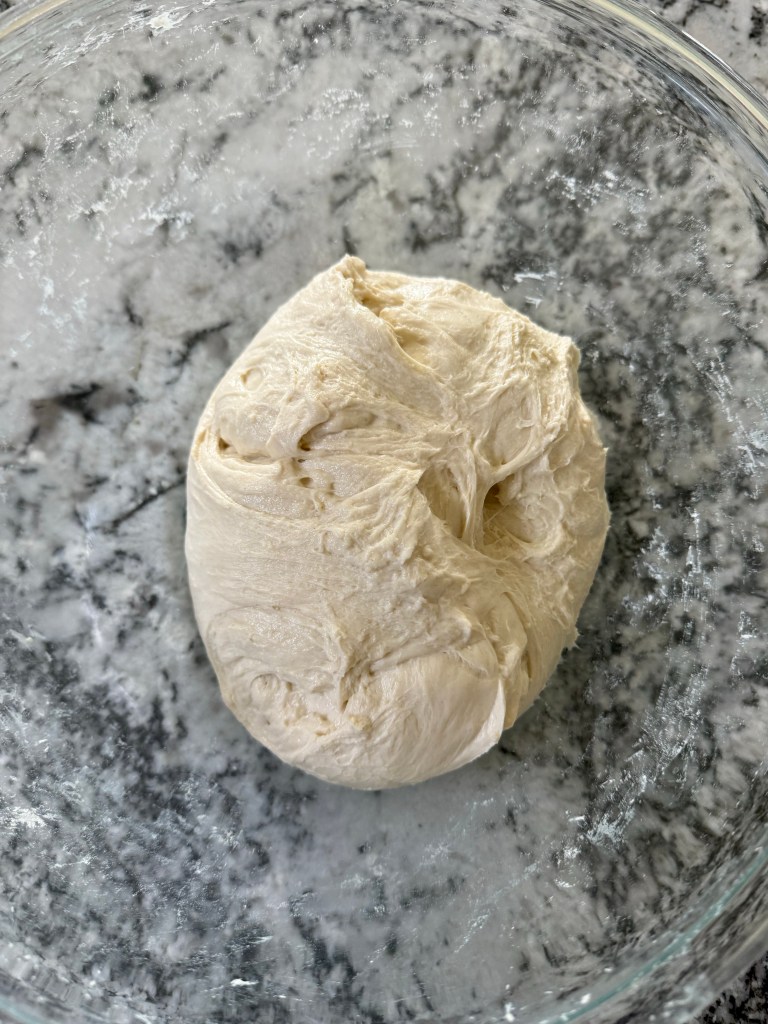
It was interesting to see how every time the dough rested it started to look more wet, but then when I completed the folds the dough immediately looked more dry. Also, I love the glossy sheen the dough developed around the 5th turn and that remained even after my 20 strokes.

First turn:

Second turn:

Third turn:

Fourth turn:

Fifth turn:

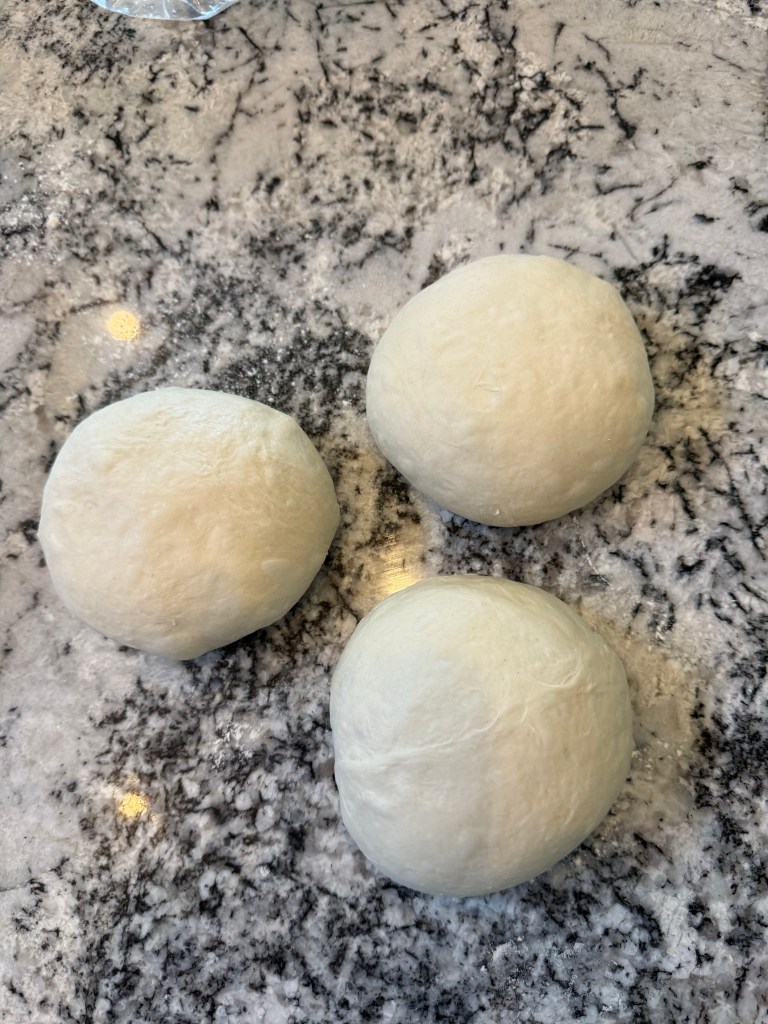
After 3 hours of bulk fermentation I turned the dough out onto the counter and divided it into 3 balls, which I pre-shaped before allowing them to rest for 15 minutes.

Then came the part that separates baguettes from other breads: shaping. The instructions in the book are pretty clear, but I also found this video to be helpful.

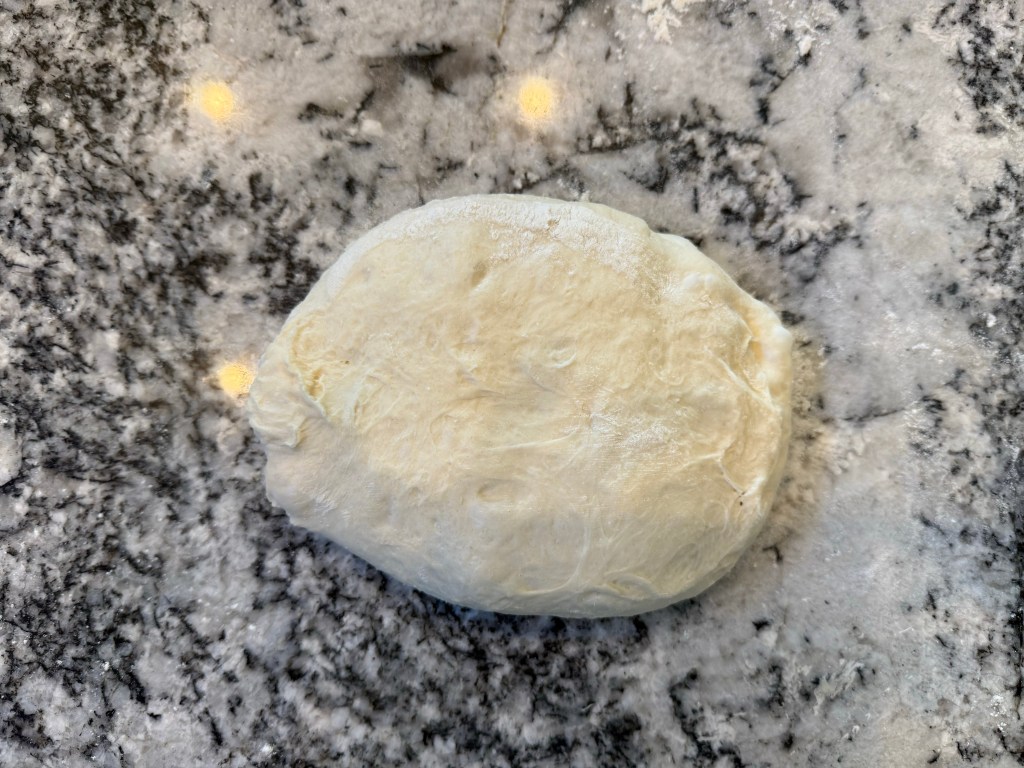
I started by patting the dough into an oval:

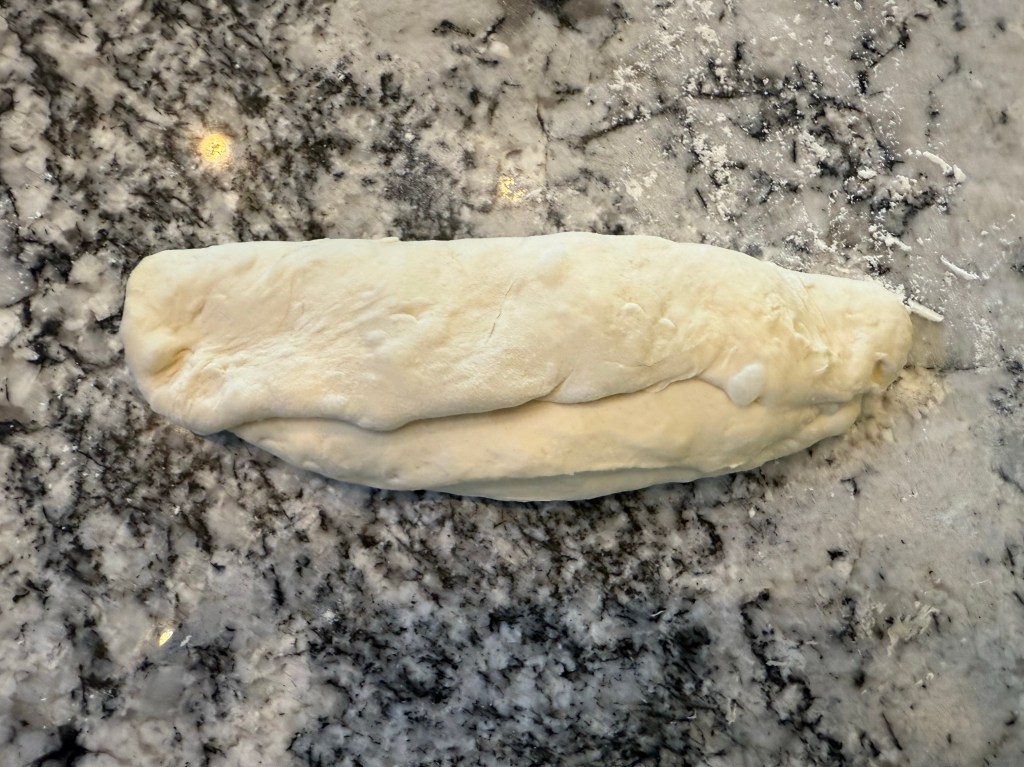
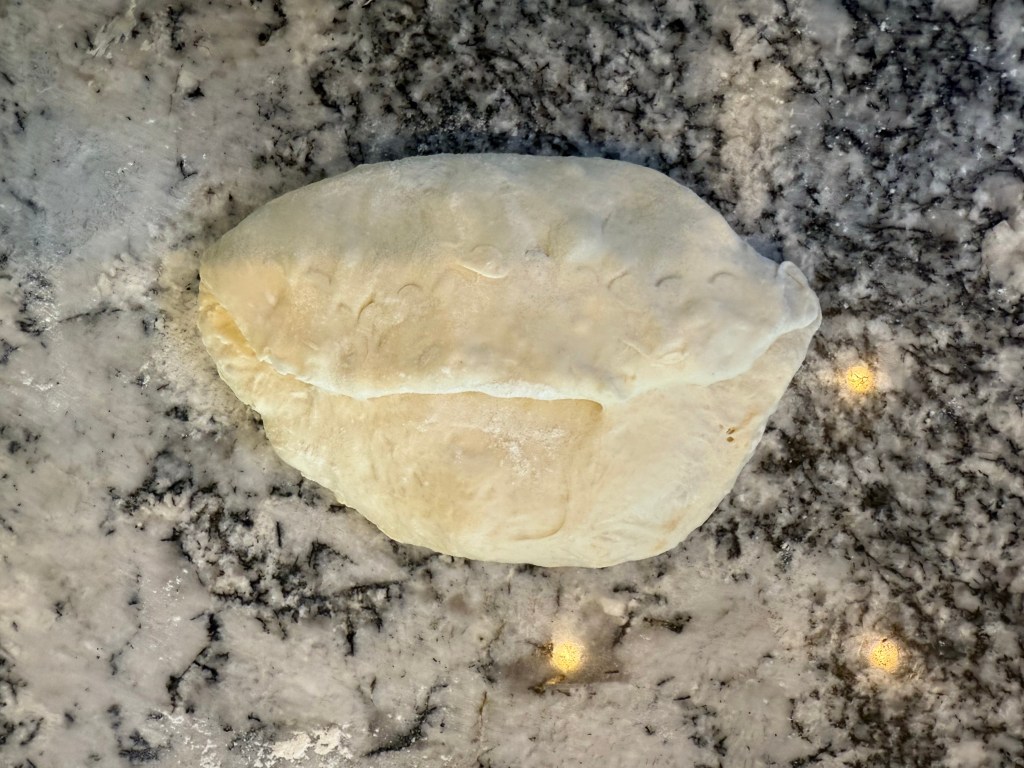
Then I folded the top third down and pressed the dough into itself with my fingertips. I turned the dough 180 degrees and folded the other third down into the center.

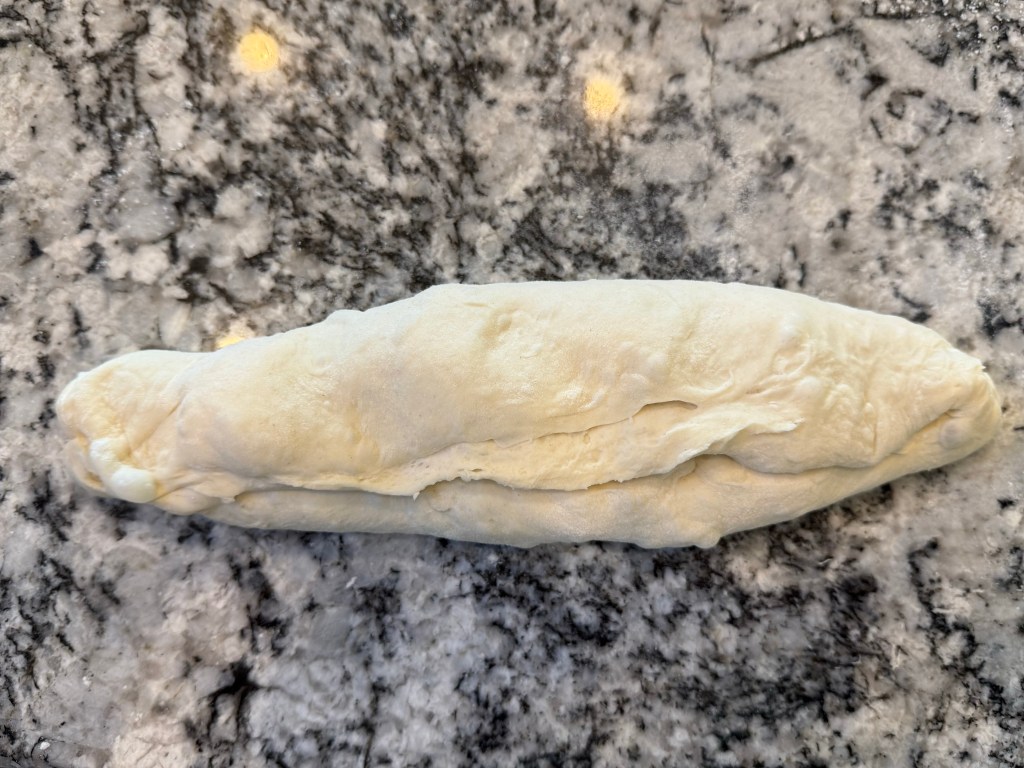
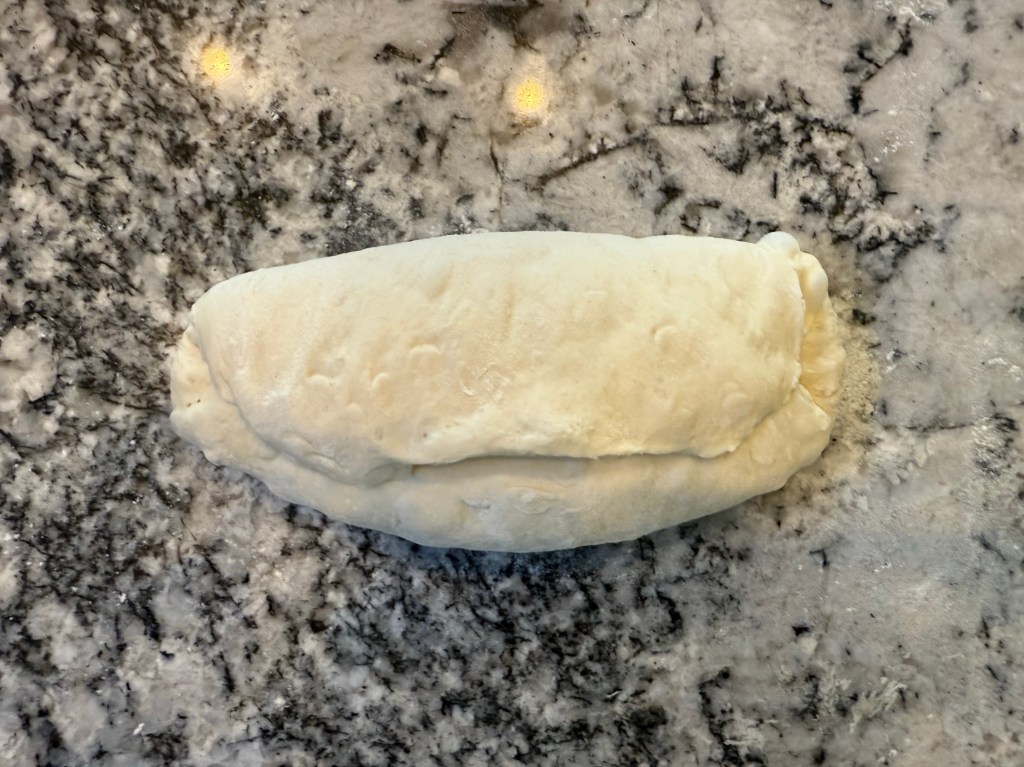
The next step was very similar: I folded the top almost down to the bottom, pressing to seal with the heel of my hand. I turned the dough 180 degrees and repeated, though this time the top of the dough was brought all the way down to the edge of the dough.

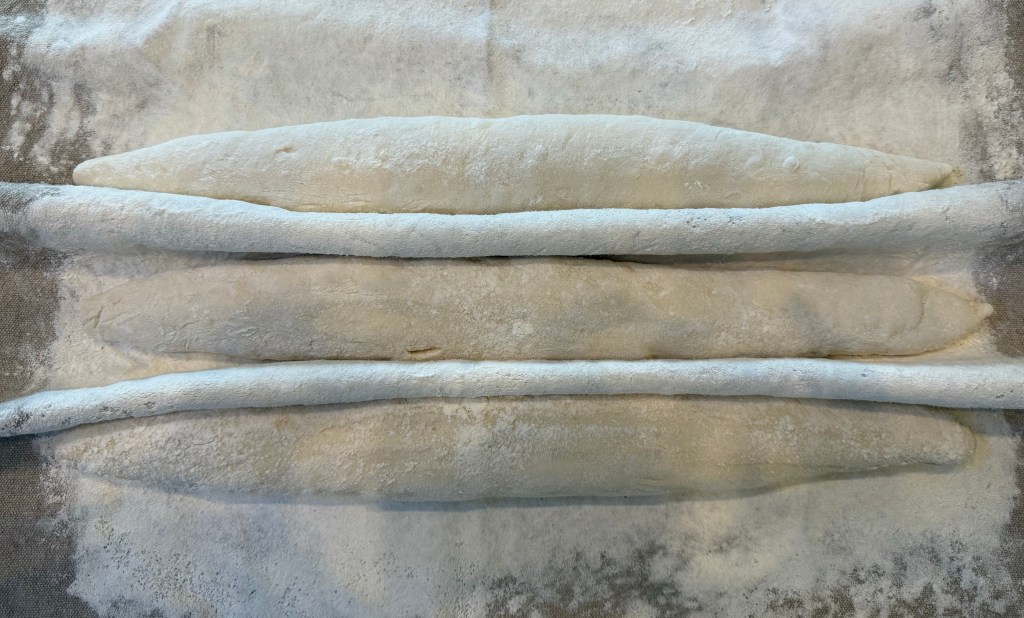
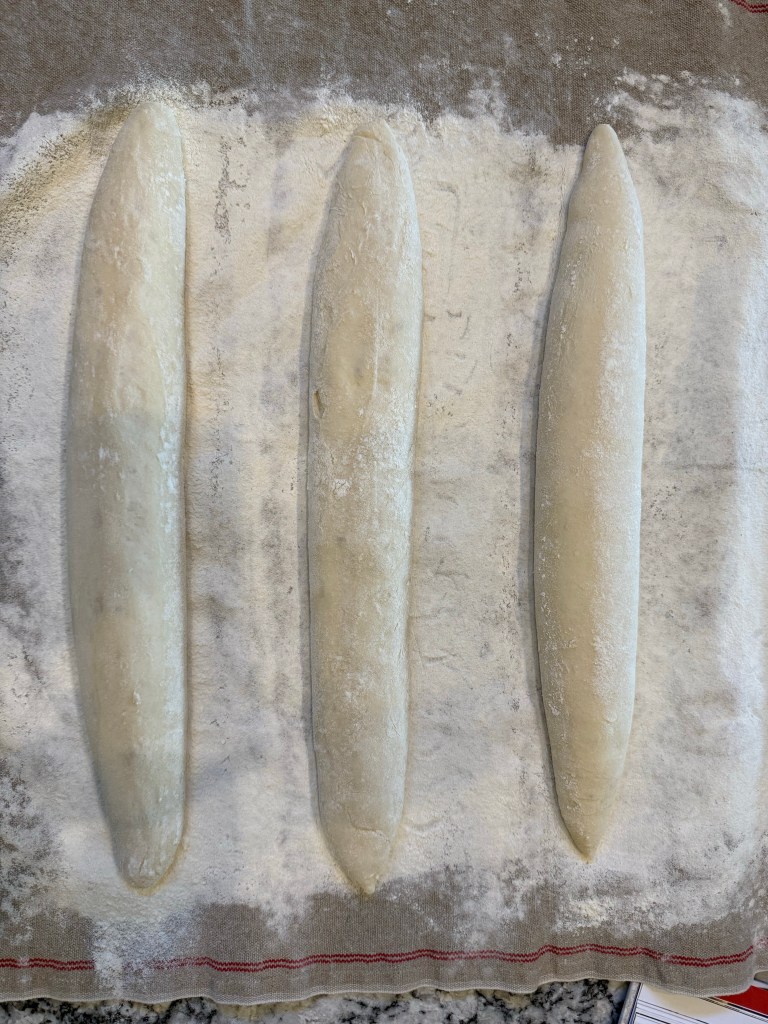
I placed the resulting seam against the counter and used both hands to roll the dough out to the longest length my oven can handle. I then placed the baguette on a heavily floured couche for the final rise.

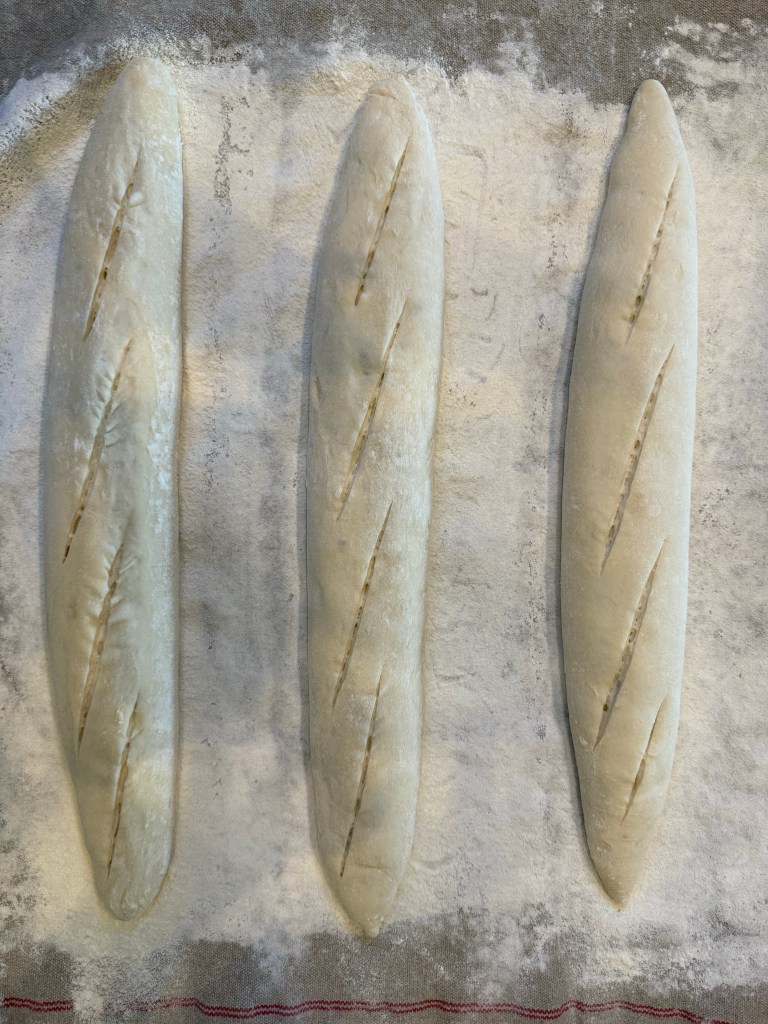
While the dough rested I started preheating my oven. The dough didn’t expand a lot, but it did pass the poke test. I slashed the tops of my loaves and put them into the oven on a baking stone with a cup of boiling water to create a steamy environment.

I struggled to get these loaves off the couche and onto a pizza peel to transfer them into the oven. Thankfully, the dough stood up well to the extra handling at this stage. By the third baguette I remembered you’re supposed to use the couche to flip the dough onto the peel.

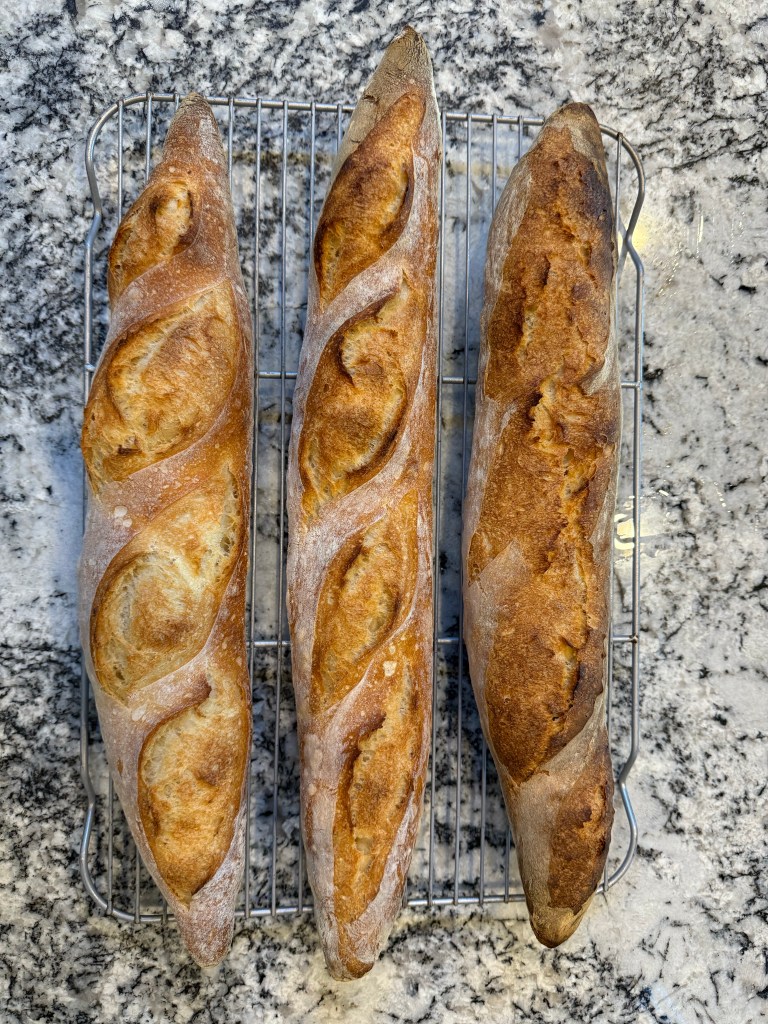
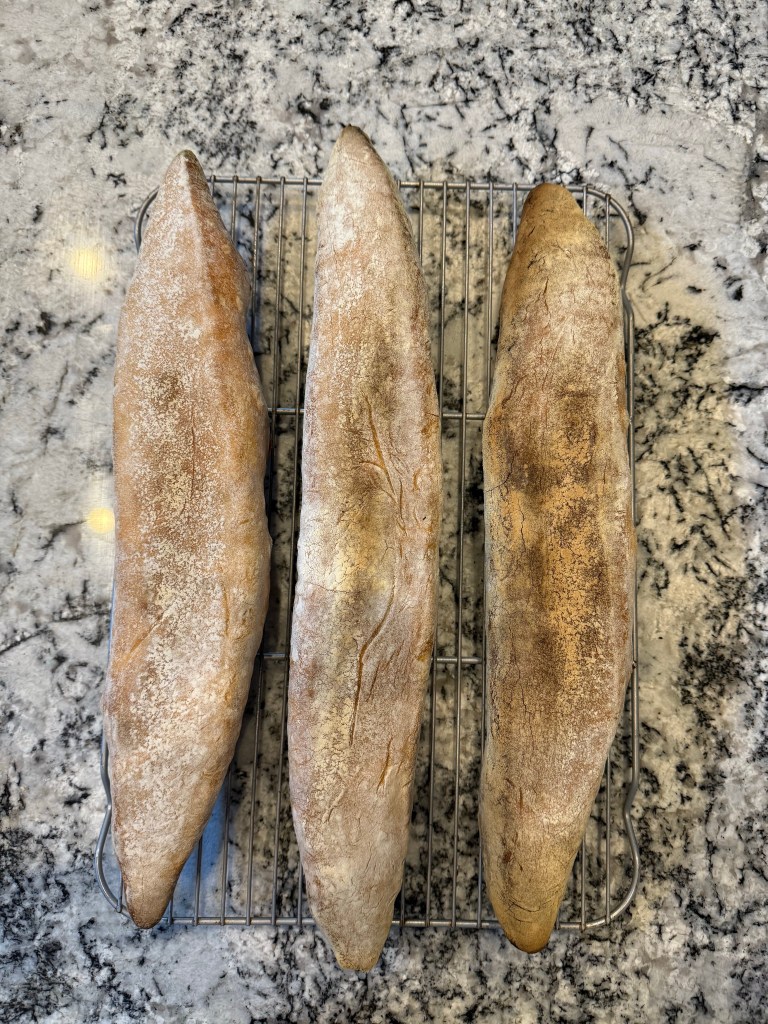
I experimented with the bake time since I had 3 baguettes. The palest loaf was in the oven for 20 minutes at the front of the oven. The middle loaf was in for 22, and the darkest loaf was in for 24 minutes at the back of the oven. Visually the middle bake is my favourite. I am working on allowing my breads to bake just a bit darker for better flavor, and seeing the difference in these 3 baguettes helps me get a better sense of when I will want to pull breads out of the oven in future.

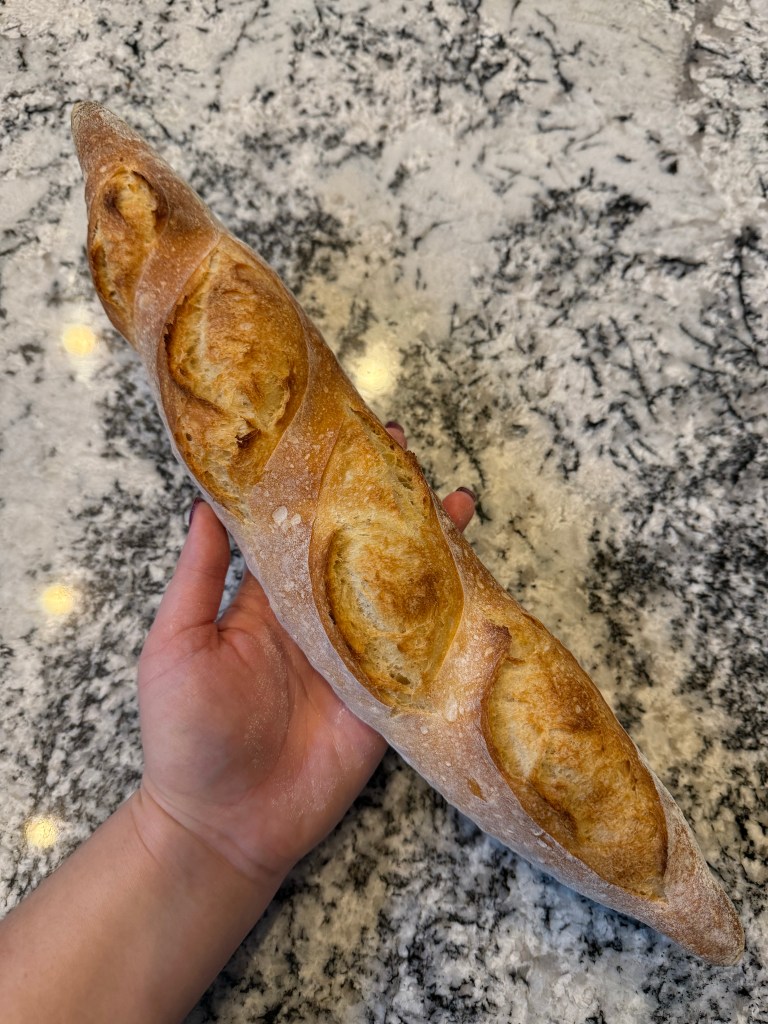
So how is the bread? Delicious! I am so proud of the crumb on this one! It looks exactly how baguettes are supposed to look with a good balance of holes throughout without being too lacy. It tastes like good bread, very similar to other breads made with straight dough. It’s fantastic with butter and a sprinkle of salt.

Until the next time: may your yeast always rise and your flour never run out.